


The client lacked granular market intelligence on lubricant consumption trends, leading players, and product pricing in the GCC. They were also unfamiliar with the brand hierarchy (local vs international), channel strategies, and regulatory barriers such as SASO certification and customs requirements….

Expanding Lubricant Reach With Regional Supply Hubs
The client’s existing distribution strategy lacked scalability. Inventory visibility was poor across multiple warehouses, resulting in lost sales due to stockouts. Distribution partners were under-incentivized and lacked digital ordering capabilities. Export operations faced bottlenecks due to unclear INCOTERMS, pricing inconsistencies, and…

Building Loyalty With Lubricant After-Sales Engagement
Customers complained of poor technical support post-sale, inconsistent delivery timelines, and lack of follow-up on product performance. Sales reps were focused on acquisition with limited tools to monitor customer satisfaction. There was no structured complaint resolution process, and field support was…
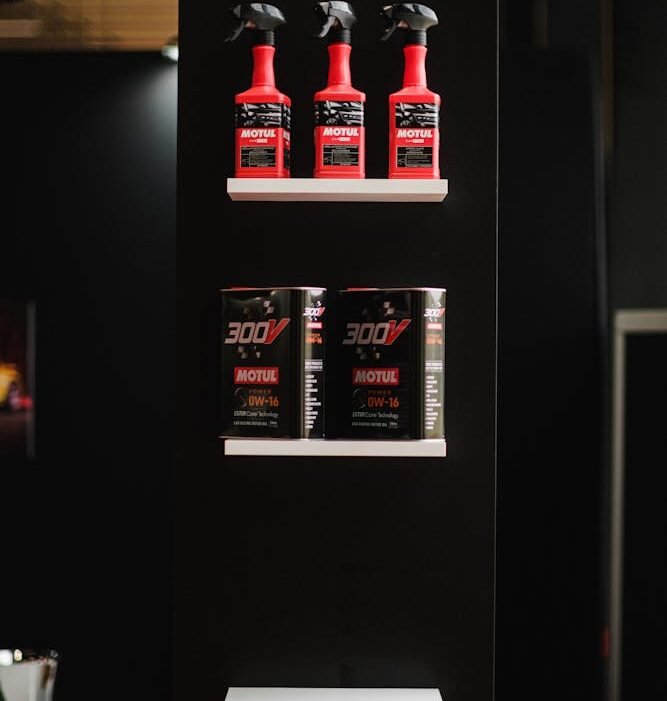
Restructuring a Lubricant Portfolio for Profitability
The portfolio included products with overlapping specifications, outdated formulations, and inconsistent naming conventions. Some SKUs had limited sales volume, yet still incurred packaging and inventory costs. The marketing team struggled to communicate product differentiation, and the sales team lacked clarity on…

Upskilling Mechanics Through Lubricant Training Programs
The distributor’s technical engagement was limited to basic datasheet handovers. Clients lacked understanding of correct lubricant use, resulting in high consumption and frequent warranty issues. The sales team was technically under-equipped to advise on issues like compatibility, change intervals, or troubleshooting….

Creating High-Performance Lubricant Formulations In-House
The client’s operations used off-the-shelf industrial lubricants that often underperformed in their extreme operating environments. This led to frequent downtime and higher lubricant consumption. There was no in-house lab for formulation, no R&D team, and no partnerships with additive suppliers. The…
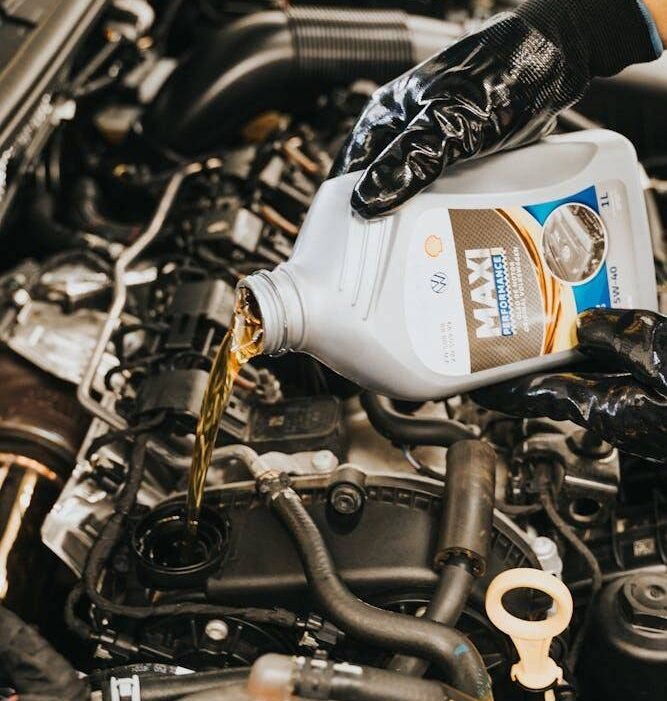
Optimizing Lubricant Performance in Logistics Fleets
There was no consistent lubricant brand or viscosity grade used across the fleet. Maintenance teams applied different change intervals based on experience, not data. Oil analysis was rare, and lubricant performance was not tracked in any centralized way. The client had…

Lubricant Market Feasibility Study for Manufacturing Entry
The client lacked sector-specific intelligence on lubricant consumption trends, base oil import flows, and blending capacities within the Kingdom. There were also uncertainties around regulatory approvals, local workforce skills, and logistics for raw material imports. While initial estimates showed high demand,…

Transitioning to Biodegradable Lubricants in Saudi Industry
The client lacked internal expertise on biodegradable or non-toxic lubricant alternatives. Most equipment was running on conventional mineral-based fluids, with no centralized lubricant monitoring. Field operators were not trained on handling or storing ester-based or food-grade lubricants. Moreover, there were concerns…

Delivering Compliance and Performance in Aviation Lubricants
The aviation lubricant segment required precision and strict regulatory compliance (including OEM certifications and traceability). The client faced difficulties in sourcing approved aviation lubricants that met SAE AMS standards, especially for niche aircraft models. Storage practices for flammable lubricants were outdated,…