

The Saudi Lubricants Market Trends show a market that is steadily expanding alongside the country’s economic transformation. The Saudi Arabia lubricants market is expected to grow from 705.86 million liters in 2026 to 865.41 million liters by 2031, at a CAGR of 4.16%. This growth is not isolated. It reflects deeper structural changes under Vision 2030, including rising mobility, tourism expansion, industrial development, and digital adoption.
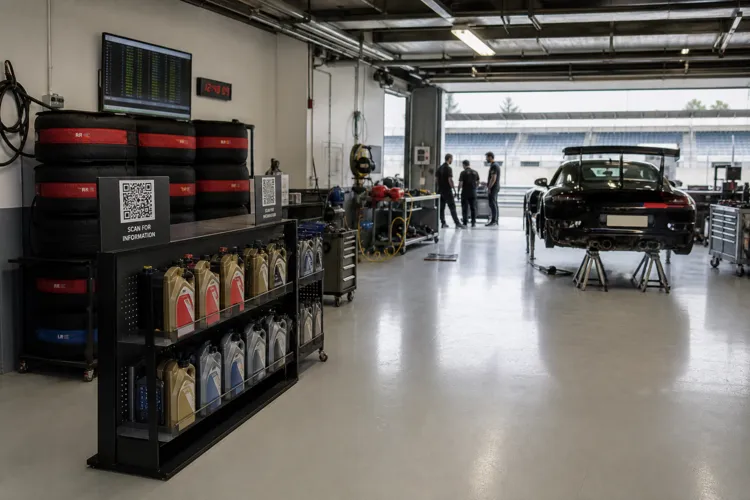
At the core of the market, engine oil dominates with 63.72% of total volume in 2025. This highlights the continued importance of the automotive sector, especially in a country with harsh desert conditions that require frequent maintenance and durable lubricants.
Discover the full report for more insights: Changing Patterns in KSA Lubricant Market
Mobility Growth and Tourism Are Expanding Automotive Demand
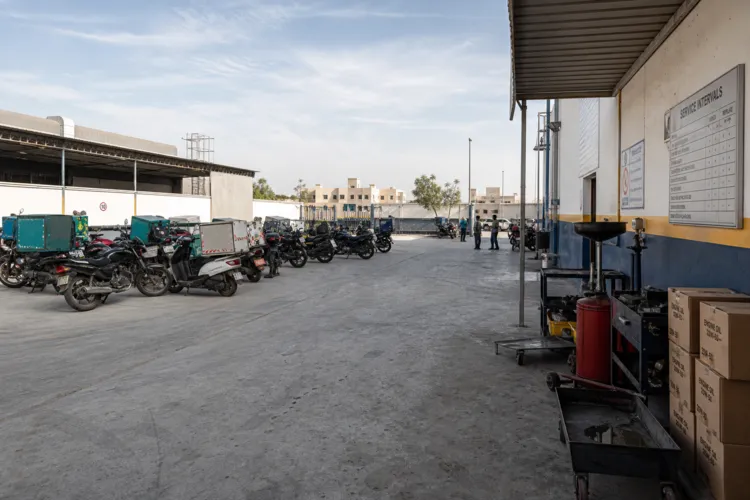
One of the strongest drivers behind Saudi Lubricants Market Trends is the rapid increase in vehicles. By the end of 2024, 15.88 million vehicles were registered, growing 7% year-on-year. Out of these, 71% are private vehicles, showing strong consumer demand. At the same time, more than 1 million new vehicles were registered in 2024, a 17% increase compared to 2023.
Looking ahead, vehicle ownership is expected to surpass 17 million by 2030. This means more frequent oil changes, higher wear and tear, and rising lubricant consumption across the country.
Tourism is adding another layer of demand. Saudi Arabia aims to attract 150 million tourists annually by 2030. This directly increases activity in rental cars, ride-hailing services, and commercial fleets. Each of these requires regular lubricant use.
In addition, large-scale transport systems are expanding. Over 30,000 buses are used for pilgrimage logistics alone, not including buses serving tourism and commercial hubs. These high-utilization vehicles require consistent and high-performance lubricants, reinforcing steady demand.
Industrial Expansion and Infrastructure Are Driving New Segments
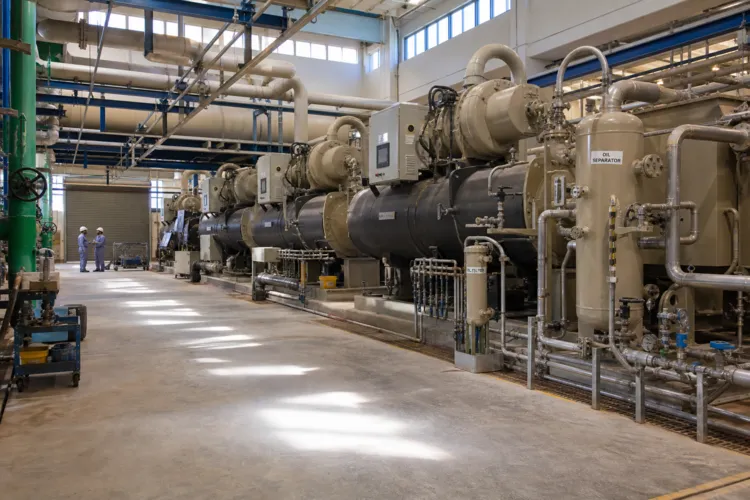
Saudi Lubricants Market Trends are not limited to automotive demand. Industrial growth is also playing a key role. Vision 2030 is pushing diversification into sectors such as mining, renewable energy, manufacturing, and petrochemicals. These sectors depend heavily on machinery, which requires specialized industrial lubricants to maintain efficiency and reduce downtime.
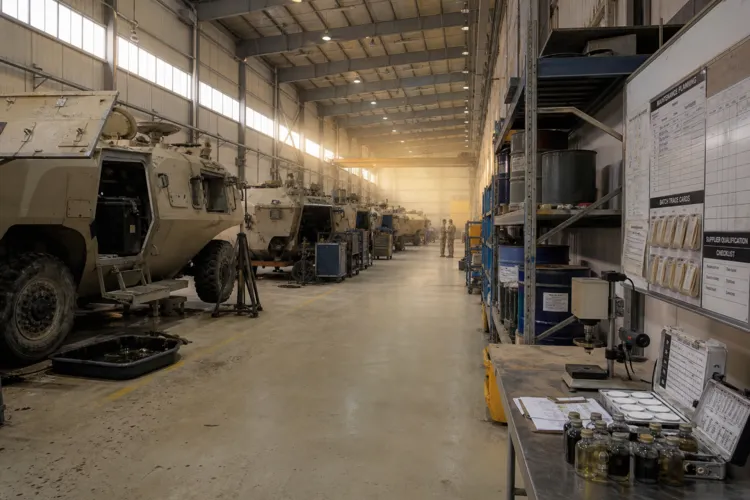
The construction sector is another important contributor. The construction equipment market is projected to reach $1,699.5 million by 2032, supported by mega projects such as smart cities and infrastructure expansion. Heavy machinery used in these projects increases demand for high-quality lubricants.
In the energy sector, lubricant use is also rising. Power-generation lubricant applications are expected to grow at a CAGR of 4.52%, driven by gas-fired projects and renewable energy investments. This reflects a shift toward more advanced and performance-focused lubricant solutions.
Digital Channels and New Mobility Are Reshaping Distribution
Another key shift in Saudi Lubricants Market Trends is how lubricants are being sold and distributed. Digitalization is transforming traditional channels. Direct purchases linked to fleet-management platforms are growing at a 15.35% CAGR through 2031, making them the fastest-growing sales channel.
This trend is supported by strong digital infrastructure. Saudi Arabia has 98% internet penetration, enabling fast adoption of online platforms. The e-commerce sector is also expanding rapidly. It recorded 73% year-on-year growth, reaching SAR 27.5 billion in March 2025.
There are now 40,953 registered e-commerce businesses, growing 10% annually, with Riyadh leading in activity. The market is expected to reach $708.7 billion by 2033, showing strong long-term digital momentum. These trends are extending into lubricant sales, especially for fleet operators and industrial buyers.
At the same time, mobility itself is evolving. The rise of electric vehicles (EVs) and hybrid technologies is creating demand for specialized fluids and lubricants. While traditional engine oil still dominates, new product categories are emerging to support advanced vehicle systems.
A Market Growing in Multiple Directions
Saudi Lubricants Market Trends show a market expanding on multiple fronts. From 705 million liters today to 865 million liters by 2031, growth is supported by increasing vehicles, rising tourism, expanding industries, and digital transformation.
The automotive segment remains the backbone, driven by a growing vehicle fleet and harsh operating conditions. However, industrial applications and digital sales channels are becoming more important.
At the same time, new mobility trends, including EV adoption, are starting to reshape product demand. This creates opportunities for innovation, especially in specialized lubricants and digital distribution models.
In simple terms, the lubricants market is growing at the same pace as Saudi Arabia’s transformation. As Vision 2030 continues to reshape the economy, lubricant demand will continue to evolve across automotive, industrial, and digital ecosystems.