

Demand in Shipping Hubs, IMO 2020, and Lubricant Innovations.
The Middle East Marine Lubricants market is entering a phase of steady growth and transformation. The overall lubricants market in the region was valued at about USD 9.54 billion in 2024 and is expected to reach USD 12.95 billion by 2033, expanding at a CAGR of 3.4%. Within this, the marine segment stands out as the fastest-growing, projected to rise at a 4.3% CAGR between 2025 and 2033.
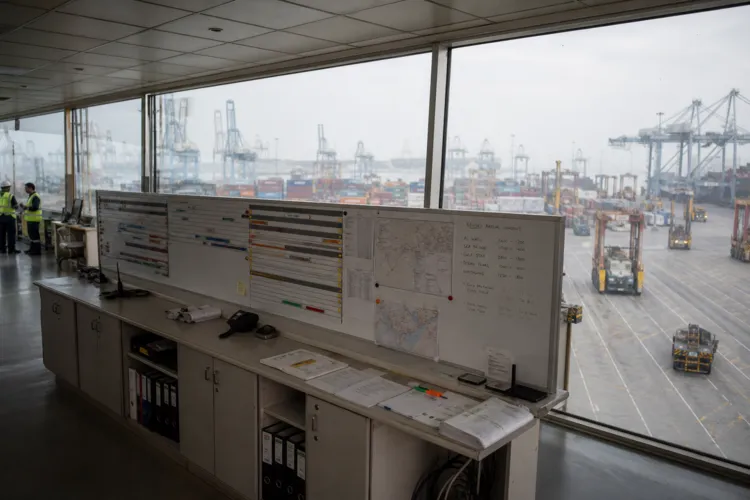
This upward trend is anchored in the region’s strategic maritime position, growing shipping activity, and large-scale port investments. The Middle East sits at the crossroads of major trade routes, linking Asia, Europe, and Africa. As energy exports and trade volumes expand, the need for reliable and efficient marine lubricants continues to grow.
The Middle East & Africa marine lubricants segment alone generated USD 37 million in 2022 and is forecasted to grow at 1.9% annually until 2030, with Saudi Arabia leading in growth. These lubricants are crucial for keeping engines running efficiently under high-temperature, long-distance conditions—vital for UAE and Saudi fleets that handle extensive international shipping routes.
The IMO 2020 Shift: Fuel Changes Reshape Lubricant Needs
A major turning point for the sector was the introduction of IMO 2020 regulations, which capped sulfur content in ship fuels at 0.5%. This forced the industry to move from heavy fuel oil toward very low sulfur fuel oils (VLSFO). The change brought new challenges in lubrication, such as managing deposit buildup and wear protection under lower-sulfur conditions.
Marine lubricant producers across the Middle East responded by developing new formulations tailored for VLSFO use. These blends ensure optimal engine performance, protect critical components, and comply with environmental standards.
Shipping hubs in Saudi Arabia and the UAE have seen rising fuel oil imports as fleets adjust to these global fuel shifts. In 2024, fuel oil imports to Saudi Arabia and Egypt surged by 33%, reflecting the evolving dynamics of marine fuel supply and the parallel increase in lubricant demand.
Innovation Leads the Way
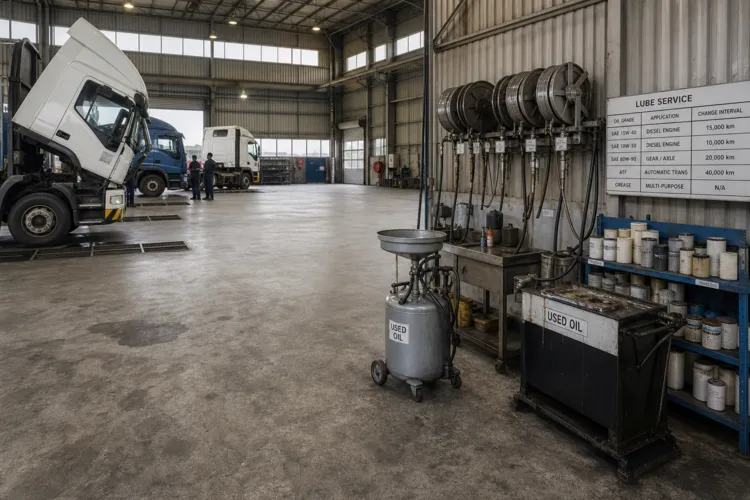
Technological innovation is becoming central to the Middle East Marine Lubricants market. Modern systems such as SEA-Mate® BOB now allow vessels to cut lubricant consumption by up to 40%, while still maximizing engine protection and efficiency. Such technologies help shipping companies lower operational costs and reduce environmental impact.
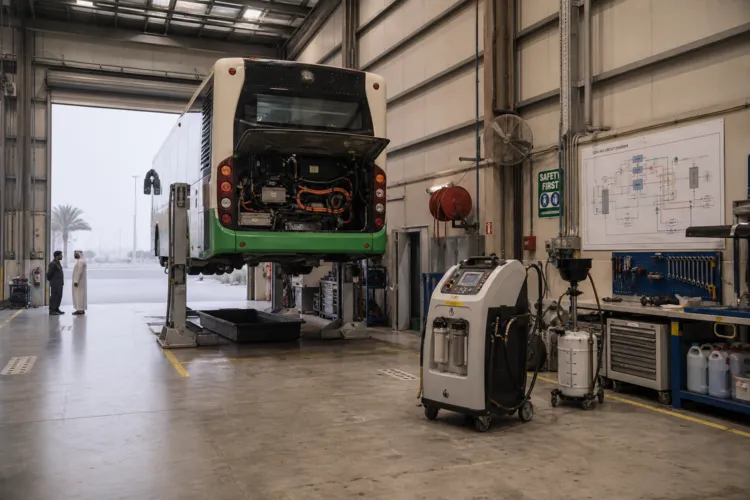
Meanwhile, research and development efforts are accelerating. Manufacturers are introducing synthetic and biodegradable lubricants that offer longer drain intervals, cleaner operations, and compliance with tightening emission standards. These eco-friendly solutions are especially relevant for shipping routes crossing environmentally sensitive waters and ports adopting stricter sustainability rules.
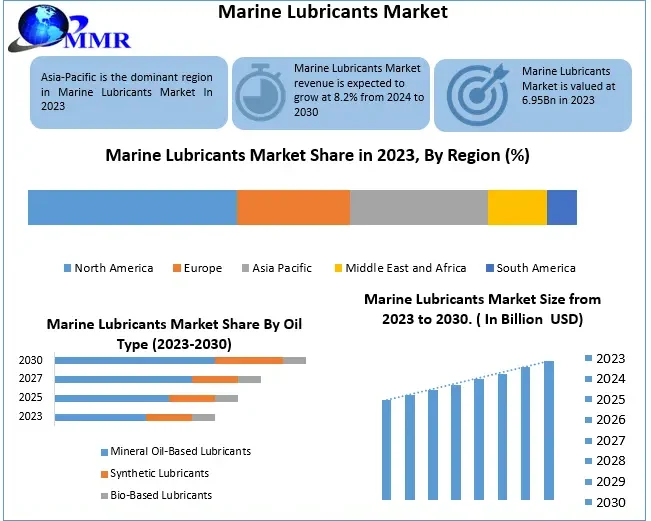
The combined effect of technological progress, regulatory adaptation, and expanding maritime infrastructure is reshaping how the region’s fleets operate. As the global marine lubricants market grows from USD 9.37 billion in 2025 to USD 14.07 billion by 2029, the Middle East is positioned to capture a growing share of this momentum.
Outlook
The future of the Middle East Marine Lubricants industry looks promising. Strategic shipping hubs, progressive environmental policies, and continuous innovation are creating strong foundations for growth. With the region’s ports evolving into global logistics powerhouses, demand for high-performance lubricants—capable of balancing efficiency, durability, and sustainability—will only intensify in the coming years.
Read also: Fastest Growing MEA Marine Lube Market: Saudi Arabia