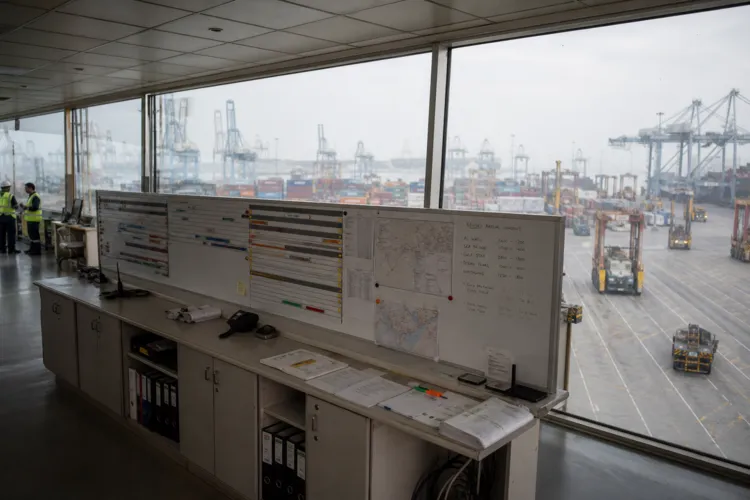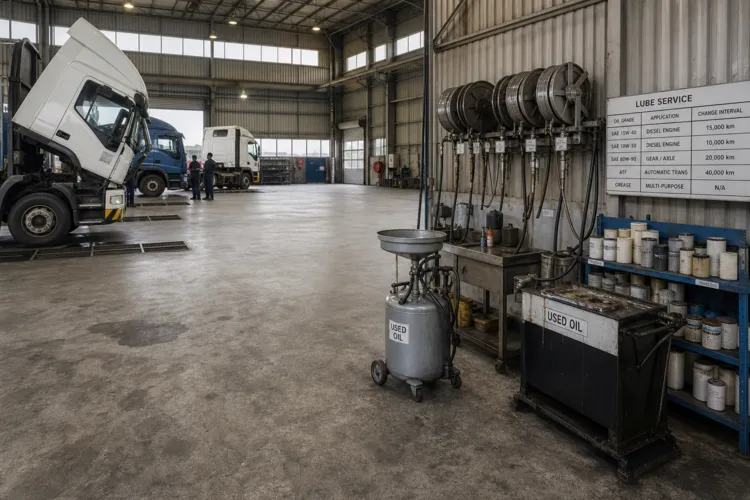

Across the Gulf Cooperation Council (GCC), the story of growth is increasingly told through corridors, not borders. Global Finance Magazine describes a rerouting of commerce as war, supply-chain disruptions, and new US tariffs reshape trade patterns. In that context, GCC economies are leaning into a role as a bridge connecting Asia, Europe, and Africa. The same corridor logic matters for industrial exporters. When local markets are saturated and facilities have surplus capacity, export performance becomes less about a single product category and more about whether trade lanes, finance, and port access can reliably move goods to where demand is forming.
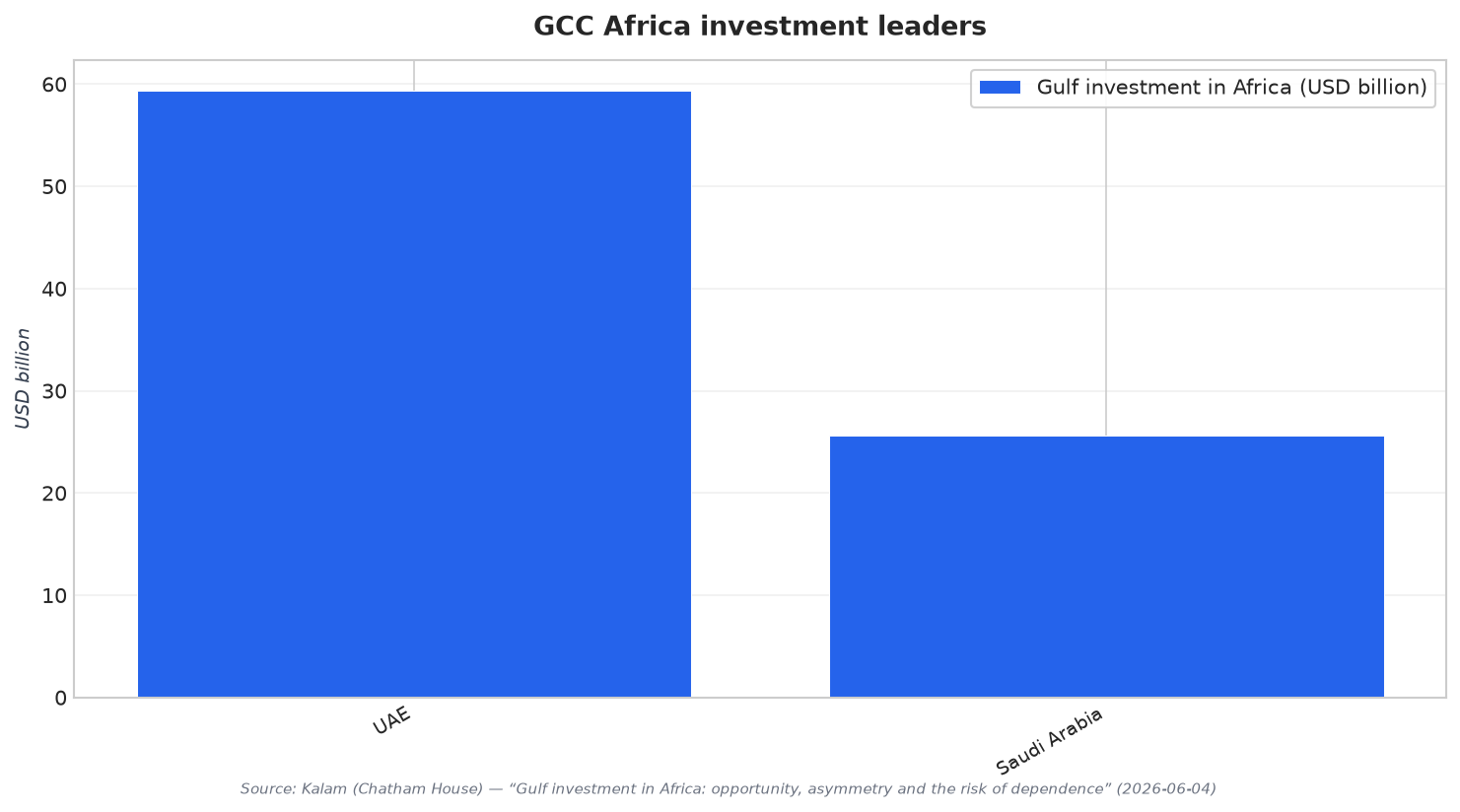
On the demand-and-capital side, the figures point to accelerating GCC-Africa engagement. Global Finance Magazine reports that GCC countries have deployed over $100 billion in Africa and that bilateral trade grew at an annual rate of about 8% between 2021 and 2022, reaching $154 billion. Kalam similarly states that over the last decade, GCC states have invested over $100 billion in Africa, led by the UAE with $59.4 billion and Saudi Arabia with $25.6 billion, while also citing bilateral trade surging to $121 billion. These are not lubricant-specific numbers. But they signal an expanding commercial surface area that exporters can plug into when they need to turn surplus capacity into cross-border volume.
Ports, Gateways, and the Operating System for Exports
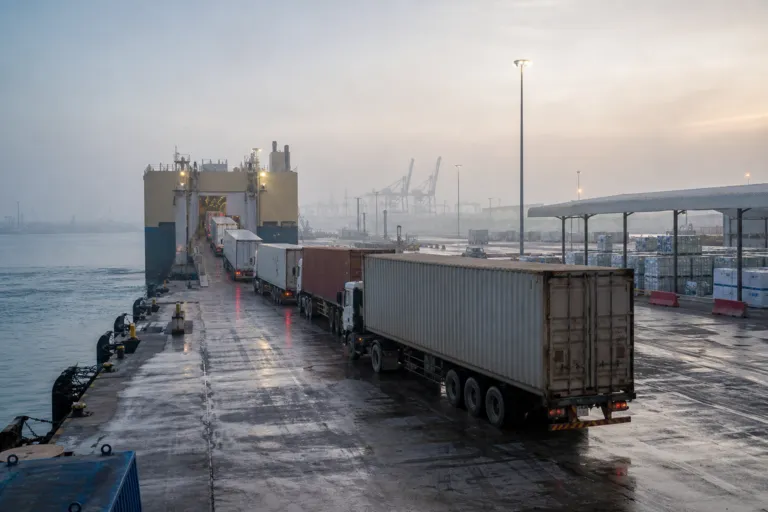
Corridors become real when they are anchored by gateways, ports, and operating concessions. Global Finance Magazine names Egypt and Morocco as two natural points of entry, with Egypt acting as a gateway to East Africa and routes extending toward Sudan, Kenya, and Uganda, while Morocco positions as a west Africa hub. The same source notes that the UAE and Saudi Arabia are investing heavily in ports, logistics hubs, and industrial zones, and adds that DP World and Abu Dhabi Ports have secured concessions to operate and develop ports across multiple African countries. For GCC exporters, including blenders seeking African offtake, these assets can reduce the friction that typically blocks consistent shipment scheduling, customer servicing, and regional distribution.
Trade networks also depend on corporate presence and financial plumbing. Kalam notes that by 2021, over 26,000 African companies were registered in Dubai, described as a one-third increase in four years. Global Finance Magazine quotes Mashreq Bank’s Tarek El Nahas saying the GCC is becoming more and more of a trade hub for Africa, adding that many clients run regional operations in the Gulf for both the Middle East and Africa. This matters for GCC lubricant exports Africa ambitions because customer acquisition and payment reliability often improve when buyers, distributors, and service providers are already operating within shared hubs and compliance environments.
The corridor push is not limited to a single sector, and that breadth can support industrial exports indirectly. Global Finance Magazine lists expansion across the continent in food processing, manufacturing, pharmaceuticals, chemicals, telecoms, and technology. Global Business Outlook adds that Emirati firms are investing in logistics cold chains for perishables and describes Red Sea security initiatives that blend economic aid with maritime security cooperation. Kalam frames the outcome as an emerging network of financial and trade corridors linking African markets to the Gulf, Asia, and Europe, influencing maritime routes and export flows. For GCC blenders with surplus capacity, the practical takeaway is that export readiness increasingly depends on corridor access, partner networks, and stable routes as much as on production capability.
What is driving the push behind GCC lubricant exports to Africa?
How fast has GCC-Africa trade been growing in the sources?
Which GCC countries lead investment into Africa, according to the sources?
Which countries are presented as gateways into Africa for Gulf-linked trade corridors?
What does Dubai’s corporate footprint suggest about Africa-facing trade activity?