
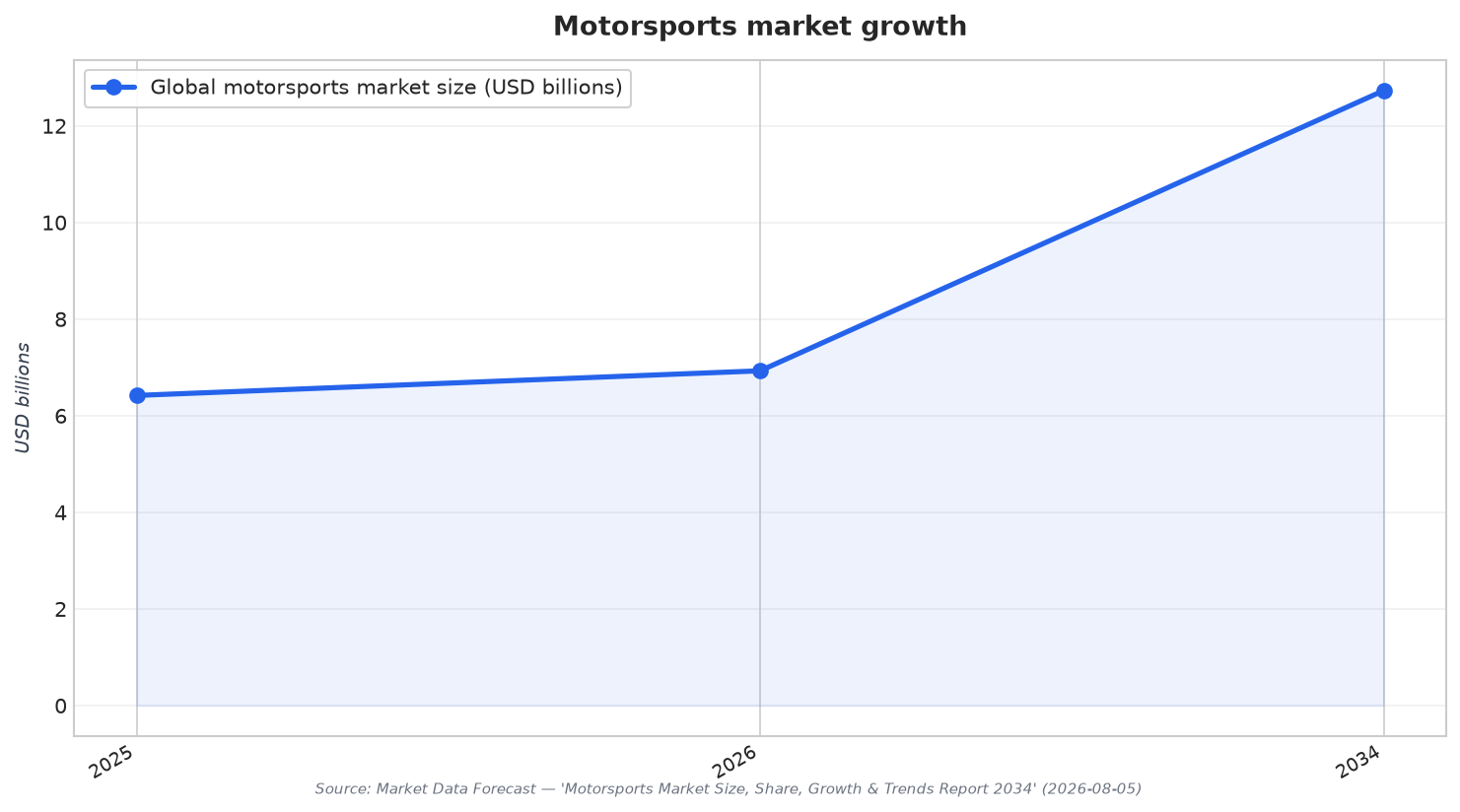
Motorsport has moved from a niche passion to a large, monetized platform where sponsorship is a central revenue engine. One global motorsports market report values the market at USD 6.42 billion in 2025, estimates USD 6.93 billion in 2026, and projects USD 12.73 billion by 2034, with a CAGR of 7.9% from 2026–2034. Another study values the motorsports market at USD 9.58 billion in 2026 and projects USD 22.73 billion by 2035 at a CAGR of 10.07%. For lubricant brands that depend on perceived performance and reliability, this scale matters, because it supports consistent exposure across seasons rather than one-off campaigns.
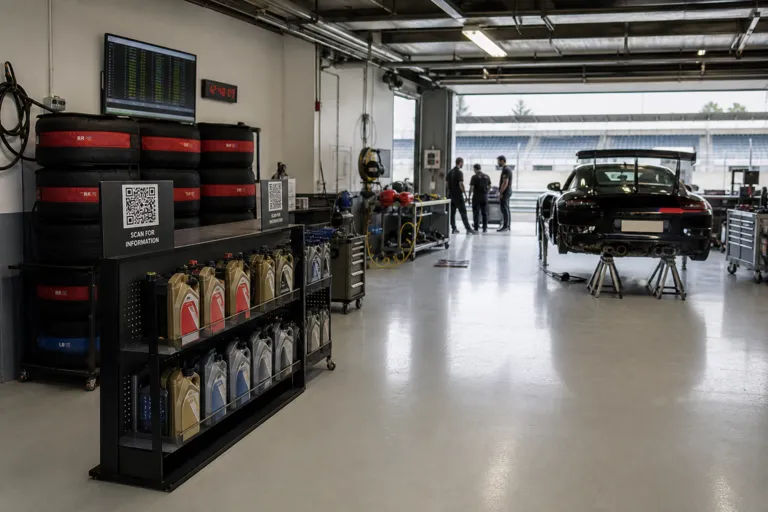
For retailers, motorsport-backed branding can act like a shorthand for credibility at the shelf. That is why sponsorship and advertising are so prominent in the motorsports business model: one report states sponsorship and advertising contributed 47% of total motorsports revenues. Another notes broadcasting rights and media deals represented about 34% of overall market share, while digital fan engagement also matters, with 39% of fans interacting through online platforms during live races. This is the operational context for modern lubricant marketing: the brand is not only trying to be seen on a car, but to keep showing up in the channels where customers watch, share, and discuss performance.
Why Gulf Racing and Rally Activations Translate Into Retail Pull
In the Middle East, the business case is strengthened by explicit investment in motorsports infrastructure and event hosting. A motorsports market report cites growth driven by increasing investments in racetracks and events, particularly in the Gulf states. It also notes regulatory bodies establishing frameworks focused on safety and environmental considerations, aimed at attracting international events, and points to countries like the UAE hosting prestigious events such as Formula 1 and the Dakar Rally. For a lubricant brand, this creates a local calendar of credible moments to activate. Rally and off-road formats also help tell a durability story, aligning with motorsport categories that include rally and off-road racing in sponsorship market segmentation.
Winning shelf space is not only about visibility; it is about using the rights that sponsorship actually delivers. A 2026 sponsorship guide frames motorsport sponsorship as an exchange for defined rights across visibility, intellectual property, hospitality, content, digital and data, and commercial integration. This matters for lubricant brands because it turns a logo into a repeatable retail toolkit: co-created content that distributors can run, trackside hospitality that supports B2B relationships, and brand assets that can be reused in-store. The same guide also estimates the global motorsport sponsorship market at $9.5 billion and states Formula 1 alone counts 826.5 million fans across 190 countries, which helps explain why brands treat motorsport as a scaled communications platform.
The playbook for lubricant motorsport marketing in the Middle East works best when it bridges what the fan sees and what the buyer can act on. Globally, emerging markets are described as key players in hosting major races, and the Middle East is explicitly cited as part of that shift. Sponsorship-focused economics reinforce the approach: one report says sponsorships increased post-pandemic and made up 43% of segment share in 2024, while another sponsorship market report notes race teams led by type with a 58.8% share, supported by visibility, fan engagement, and media exposure. For Gulf racing and rally sponsorships, the practical goal is to convert those repeated impressions into retailer confidence and consumer recognition at the point of sale.
Why do lubricant brands use motorsport sponsorships to win shelf space?
What figures show motorsport is a meaningful marketing platform globally?
How does digital engagement influence motorsport-based brand activations?
What supports lubricant motorsport marketing in the Middle East and Gulf markets specifically?