
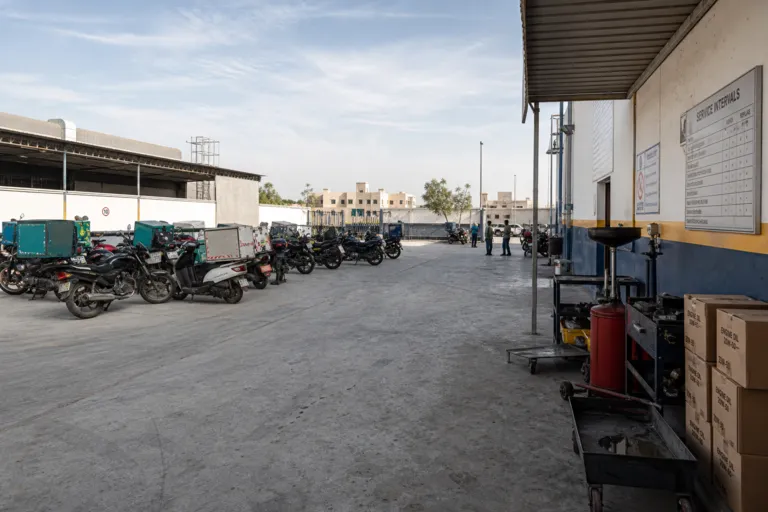
Across GCC cities, the sharp growth of app-based food delivery and wider last-mile logistics is turning motorcycles and scooters into workhorse assets. Global industry commentary links the rise of e-commerce and delivery logistics to steady demand for fleet motorcycles, because two-wheelers can navigate crowded urban streets and support cost-effective operations. That shift matters for lubricants because commercial use is continuous, not occasional, and it pushes regular maintenance cycles. In parallel, the global two-wheeler lubricants category is described as mature yet dynamic, with competition shaped by distribution reach, relationships with service centers, and shelf-space in auto parts retail. As fleets scale, consistent, high-availability supply becomes part of the operating model, not an afterthought.
Saudi Arabia offers a clear, sourced signal for the delivery-driven two-wheeler story in the Gulf. One report states the Saudi Arabia e-commerce market is set to reach USD 708.7 billion by 2033, and frames this as a driver of “explosive growth” in last-mile delivery demand. It also notes that in October 2025, major e-commerce players scaled two-wheeler delivery fleets by roughly 40%, prioritizing fuel-efficient and increasingly electric models to handle booming quick commerce and food delivery volumes. This kind of fleet expansion is a direct trigger for higher consumption of maintenance products, especially when motorcycles and scooters are used across long daily routes in Riyadh, Jeddah, and Dammam.
Why Fleet Growth Converts Into Engine-Oil Pull-Through
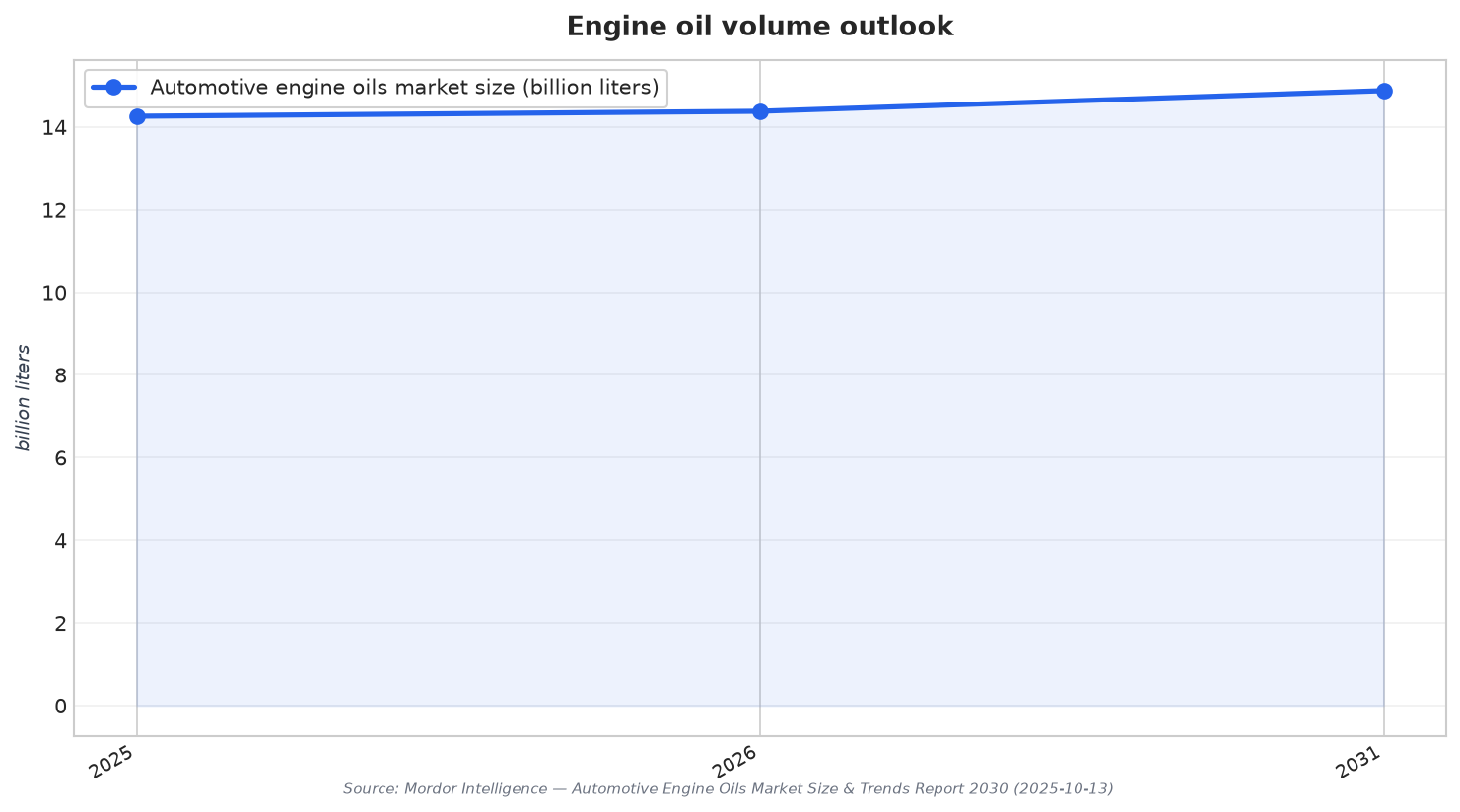
Several global datasets help explain why a growing GCC delivery ecosystem can pull engine-oil demand upward, even while some passenger-car oil outlooks face pressure from electrification. In the global automotive engine oils market, passenger car motor oil held a 62.49% volume share in 2025, but the same source highlights motorcycle engine oil as a counterweight, forecast to expand at a 9.97% CAGR through 2031 on the back of two-wheeler parc growth in India, Indonesia, and Vietnam. The same report expects the Middle East and Africa to post the fastest 2.29% CAGR over 2026–2031 (by geography). These figures are global and regional signals, not GCC-only measurements, but they reinforce the logic that two-wheeler usage intensity can keep oil demand resilient.
Within two-wheelers themselves, global market structure shows why delivery fleets matter. One two-wheeler market overview states motorcycles captured 64.16% of the two-wheeler market share in 2025, and that internal combustion engines dominated 73.47% of the global fleet in 2025. It also notes business-to-business demand expanded at a 6.69% CAGR, and describes delivery networks favoring electric two-wheelers because they lower per-kilometer energy spend by over half and reduce downtime through battery swapping. For GCC fleet operators, this implies a split strategy: internal-combustion fleets that keep engine oil volumes flowing, alongside electric pilots that reduce engine-oil needs but still reshape procurement, maintenance planning, and workshop relationships.
The product mix is also shifting, which affects how “engine oil demand” is measured in value terms, not just liters. The global two-wheeler lubricants market outlook projects a baseline CAGR of approximately 3.2% from 2025 to 2035, with a market index reaching 137 by 2035 (2025=100). It emphasizes premiumization and a structural move toward higher-value synthetic and semi-synthetic products, supported by longer drain intervals and changing consumer need states. Another engine-oils report notes mineral oils retained a 53.38% share in 2025 (global automotive engine oils), yet also points to synthetic penetration trends. For GCC procurement teams managing motorcycle delivery fleet engine oil in the GCC context, the practical takeaway is simple: growing fleets raise the importance of stable sourcing, correct specifications, and route-to-market execution as much as they raise raw consumption.
What evidence shows Saudi Arabia’s delivery fleets are scaling fast?
How does the e-commerce outlook connect to two-wheeler demand in Saudi Arabia?
What do global forecasts say about motorcycle engine oil growth?
How large is the internal combustion share of the global two-wheeler fleet?
What’s the key procurement challenge for motorcycle delivery fleet engine oil across the GCC?