

Exporting lubricants to Kuwait is not only a commercial decision; it is a compliance project. Kuwait’s Kuwait Conformity Assurance Scheme (KUCAS) is a conformity assessment framework led by the Public Authority for Industry (PAI) to verify that regulated products meet Kuwait’s technical regulations before entering the market. The scheme has been in force since 17 June 2006. In practical terms, KUCAS is designed to protect consumers and reduce border rejections, while helping streamline customs clearance when paperwork and product details match what regulators expect.
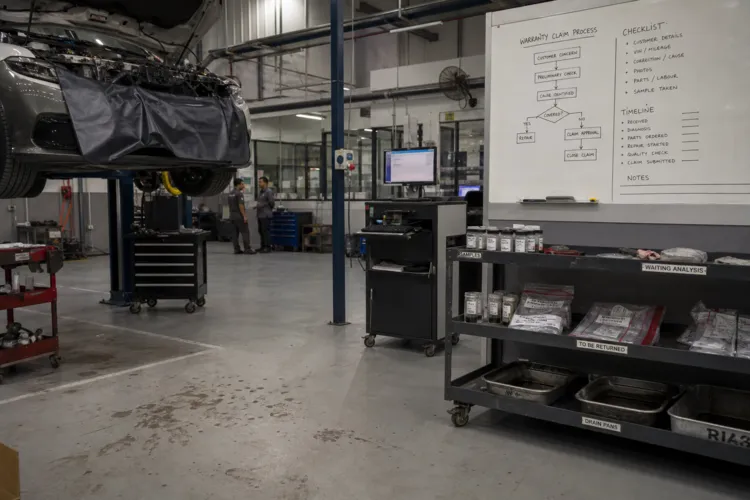
Your first task is scope confirmation. KUCAS applies when goods fall under regulated product lists that are mapped to customs codes, so you should verify your HS code against the current lists and keep the same code consistent across documentation. The workflow described by import-focused guidance is straightforward: confirm scope, build a technical dossier, complete any required testing or inspection, and then present the conformity documents with your shipping paperwork at clearance. If there are mismatches between labels, invoice description, or HS code, the shipment can be delayed and may face additional inspection.
KUCAS Documents and a Lubricant Export Workflow
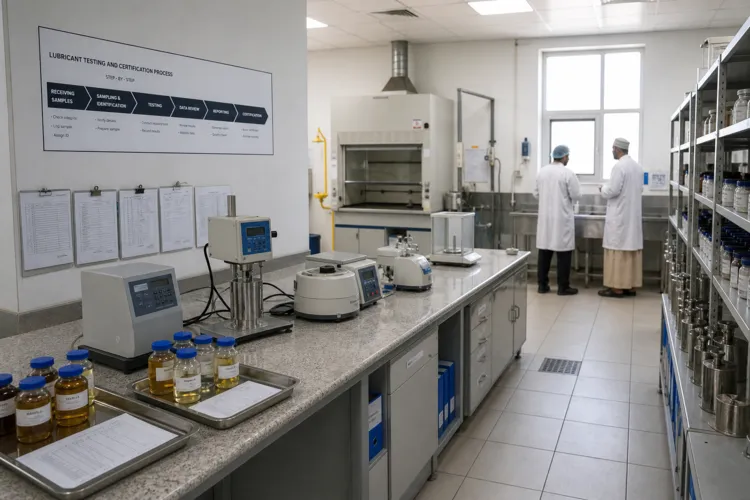
For regulated goods, KUCAS paperwork centers on three items. A Technical Inspection Report (TIR) confirms the shipment was verified against requirements such as testing, markings, packaging, and labeling, and it is issued by a PAI-approved Certification and Inspection Body before shipment. A Technical Evaluation Report (TER) provides technical evaluation support (including test results and standards compliance) and, for repeat shipments, can reduce testing; one import services guide notes it is valid for 2 to 3 years. Some routes also use a Certificate of Conformity or inspection document, and a Digital Certificate of Conformity (CoC) is described as a PAI clearance prerequisite for regulated goods.
Plan the “registration” side in parallel with the technical file. If you ship Delivered Duty Paid (DDP) into Kuwait, one Importer of Record (IOR) guide states you need a Kuwait-registered IOR and a licensed customs broker. The same source lists supporting paperwork that often travels with KUCAS documents: a Certificate of Origin authenticated by a Chamber of Commerce and legalised by the Kuwaiti embassy, a KCCI-certified letter of representation from the IOR or local agent, and an import licence from MOCI for licensed categories. It also highlights practical labeling expectations, including a non-removable country-of-origin label on all goods.
Finally, anchor your compliance plan to the commercial reality of Kuwait’s lubricant demand. Grand View Research estimates the Kuwait automotive lubricants market generated USD 32.4 million in revenue in 2022 and is expected to reach USD 41.4 million by 2030, with a projected CAGR of 3.1% from 2023 to 2030. The same outlook notes engine oil was the largest revenue-generating product in 2022, with a 54.94% revenue share. That demand context makes Kuwait KUCAS lubricant conformity a practical enabler: when your TIR or TER is aligned to the product and HS code, you reduce clearance friction and protect your delivery timeline.
What is KUCAS, and who administers it in Kuwait?
Which KUCAS documents are most common for regulated products?
How long can a Technical Evaluation Report (TER) remain valid for repeat shipments?
For Kuwait KUCAS lubricant conformity, what should exporters verify first?
What market figures show why lubricants exporters pay attention to Kuwait?