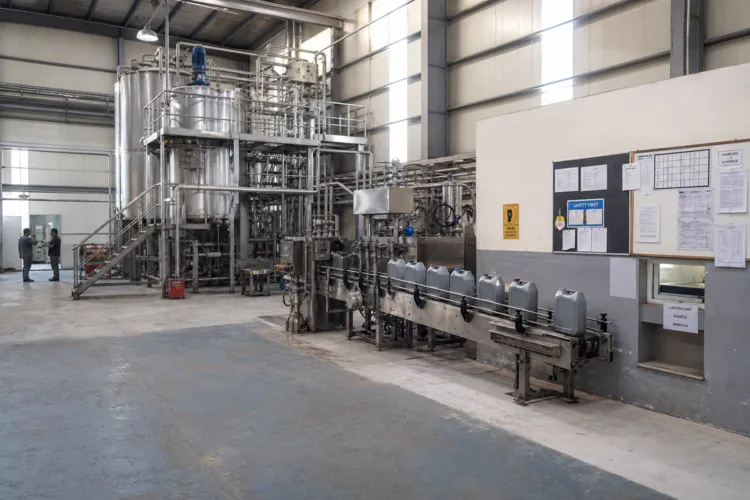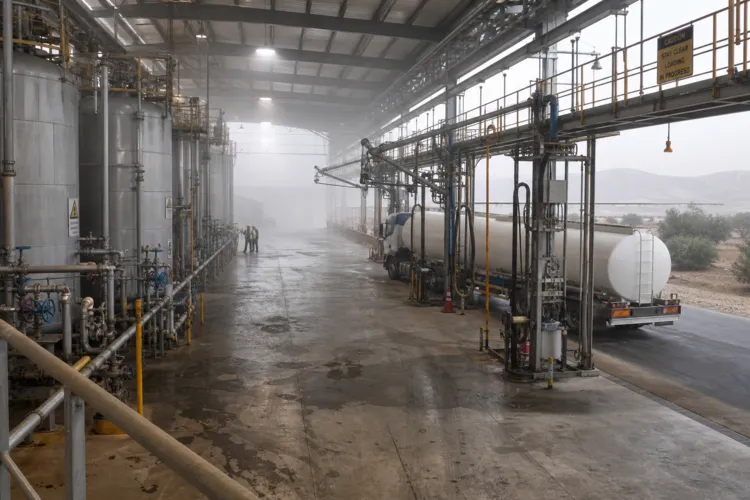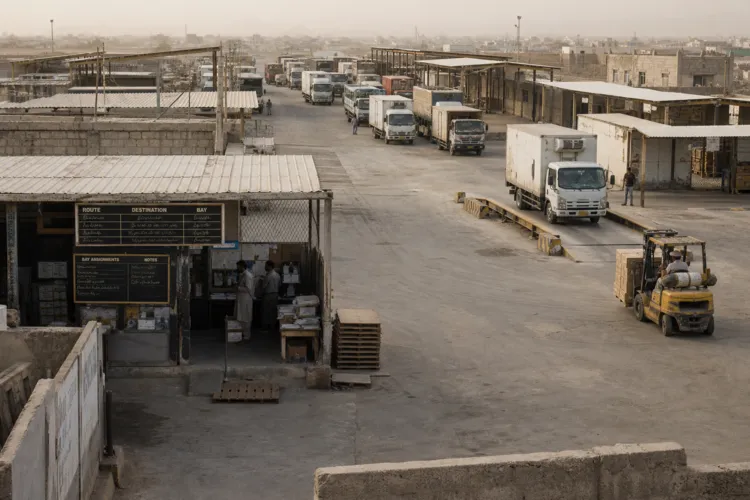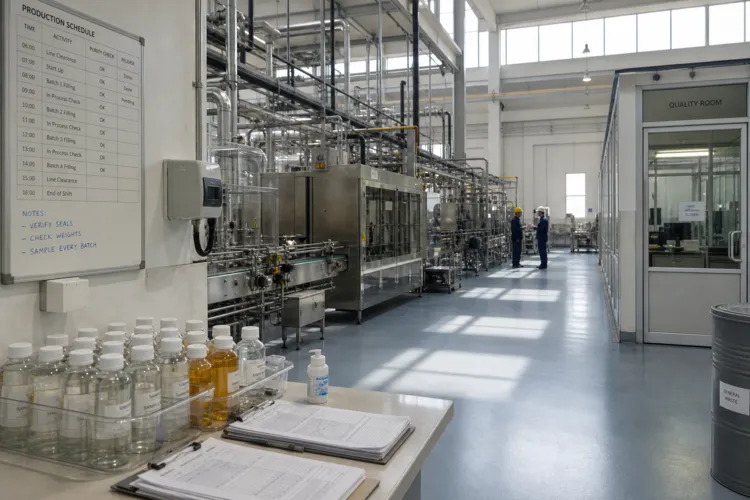

In 2026, the Turkey lubricants market is best understood as a connector. It links feedstock and base oil realities shaped by the Middle East’s vertically integrated national oil companies with demand trends shaped by stricter specifications and sustainability pressure in Europe. Turkey’s lubricants and industrial oils market is valued at USD 1.85 billion (based on a five-year historical analysis), and demand is supported by automotive production, industrial expansion, and a shift toward high-performance lubricants. Istanbul and Ankara are described as the dominant cities, reflecting their roles as manufacturing and distribution hubs that help move products efficiently across consumer and industrial channels.
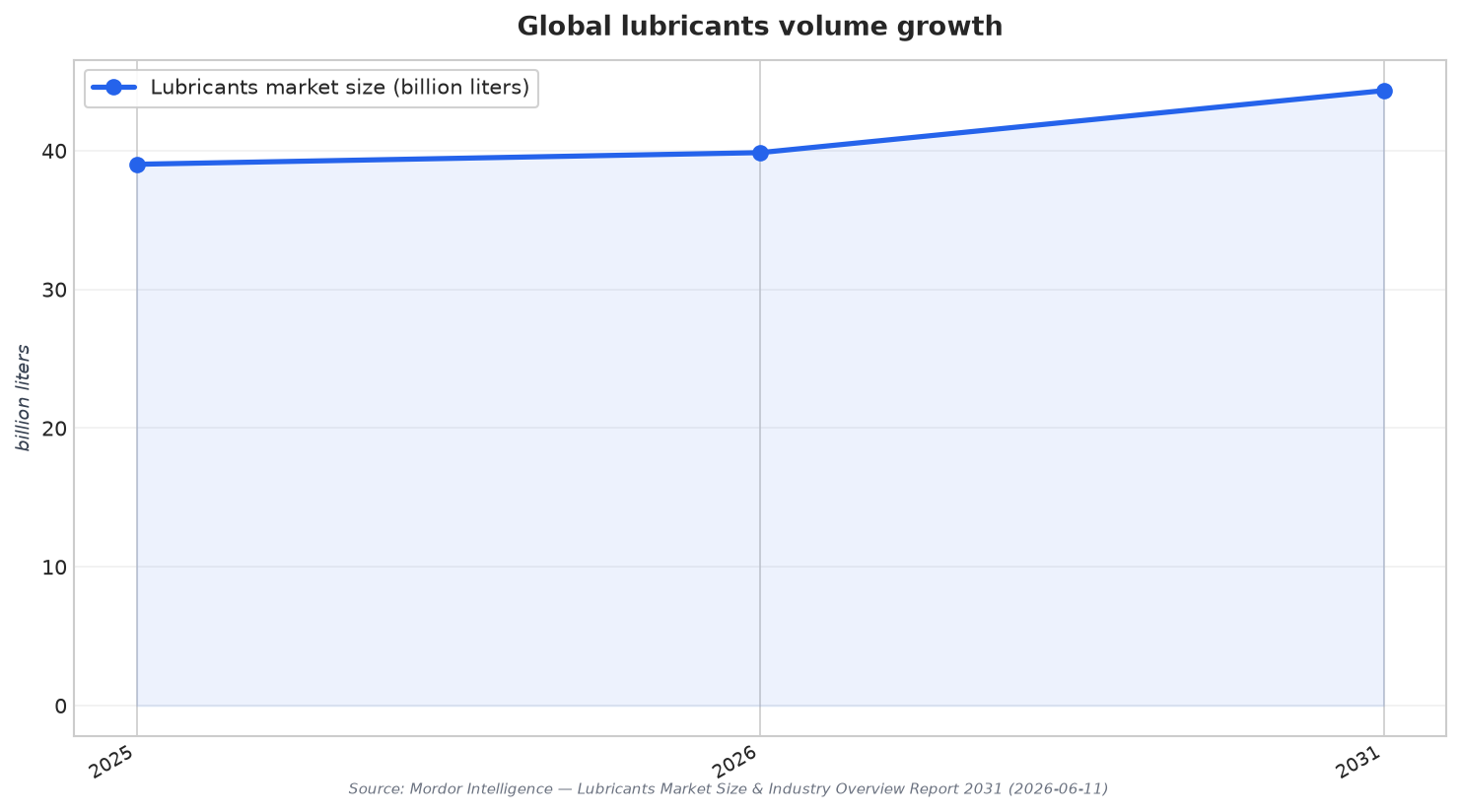
This bridging role matters because global lubricant demand is still large, but increasingly defined by performance and compliance needs. Mordor Intelligence estimates the global lubricants market size at 39.86 billion liters in 2026, growing from 39.02 billion liters in 2025, with projections of 44.33 billion liters by 2031 at a 2.15% CAGR (2026–2031). The same source notes demand is shifting from traditional mineral-oil grades toward higher-performance synthetics as environmental regulations tighten and OEMs seek viscosity downgrades for fuel economy gains. These forces influence what Turkey blends, imports, and positions for customers who want longer drains and higher durability.
From GCC Supply Structures to European-Led Performance Pull
On the supply side, IndexBox highlights how the Middle East industrial lubricants market is characterized by a high degree of integration among national oil companies, which often control base oil supply and also participate directly in the lubricants blending business. That integration can create opportunities, but it can also intensify competition for independent blenders and international suppliers. In practice, Turkey’s position between the GCC and Europe makes it sensitive to these supply structures while also benefiting from them when sourcing and planning. At the same time, Europe’s regulatory and sustainability posture is explicitly described as stringent, reinforcing demand for consistent quality and higher-spec products across the region.
Turkey’s formulation choices also show up in additive demand. IndexBox estimates Turkey’s lubricant antioxidants market at approximately USD 45–60 million in 2026. It ties this to a domestic lubricant blending volume exceeding 600,000 metric tons annually and a rising share of high-performance synthetic and semi-synthetic formulations. The same source estimates import dependence at 70–80% of formulated antioxidant additive consumption, with domestic production limited to secondary blending and toll compounding of imported active ingredients from Western Europe, the US, and China. This matters for Turkey’s bridge function: it must manage external supply risk while meeting OEM-driven performance expectations.
Policy and product mix reinforce the same direction. KenResearch notes that, in 2023, the Turkish government advanced regulations to reduce environmental impact by promoting bio-based lubricants, referencing the “National Greenhouse and Energy Reporting Act 2007 (NGER Act)” issued by the Ministry of Environment, Urbanization and Climate Change, with reporting, compliance, and product standards for bio-based lubricants in industrial and marine applications. Globally, mineral-oil products still held 65.85% share in 2025 (Mordor Intelligence), and Group I held 42.15% share in 2025, but Group III synthetics are projected as the fastest-growing at a 2.98% CAGR through 2031. Turkey’s market segmentation also lists mineral oils as dominant, while synthetics and bio-based oils gain traction, aligning the country’s blending and distribution choices with both GCC-linked feedstock realities and European-grade performance pull.
What is the 2026 value cited for Turkey’s lubricants and industrial oils market?
How large is Turkey’s domestic lubricant blending base according to the sources?
Why do additives matter for Turkey’s ability to serve higher-performance lubricant demand?
How does the Middle East’s industry structure affect Turkey’s bridge role?
What are the key 2026 global lubricants market figures used as context for the Turkey lubricants market discussion?