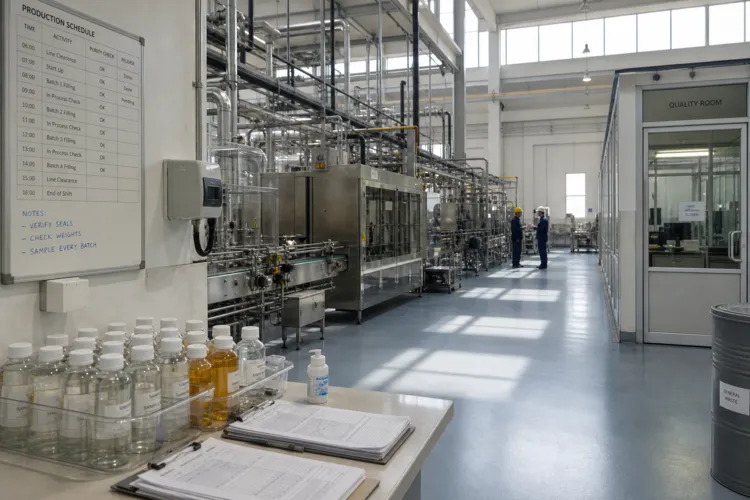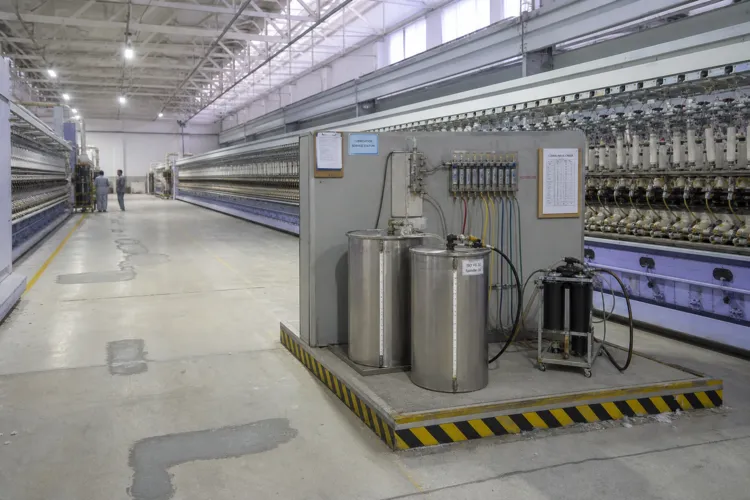

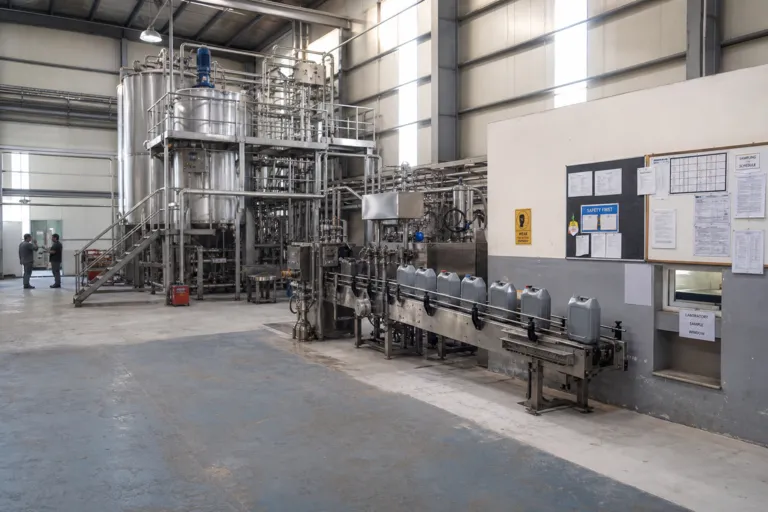
The Iran lubricants market sits at the intersection of policy constraints and technical requirements. In the commercial vehicles segment, fleet procurement teams are tightening total cost of ownership calculations, while the gap between higher-performance API CK-4 synthetic formulations and mineral-based CI-4 products is consolidating. Iranol Oil Company leverages captive refinery access to anchor its position in base oil supply, and Sepahan Oil Company competes through specialized distribution networks serving provincial transport cooperatives. At the same time, suppliers must watch how sanctions-evading import channels affect additive package availability and whether domestic base oil output can meet rising expectations around extended drain intervals.
Within heavy-duty demand, product mix details matter. Iran’s commercial vehicles lubricants span viscosity grades typically from SAE 15W-40 to 10W-30, and these formulations incorporate detergent-dispersant packages to manage soot loading in diesel combustion environments. Engine oil holds the dominant volume position due to mandatory crankcase replenishment cycles across heavy-duty truck applications. Transmission fluid is described as the fastest-growing category as automated manual transmissions penetrate Iranian bus and long-haul segments, while gear oil remains tied to differential and axle service intervals. FUCHS, for example, differentiates by concentrating on hydraulic oil specifications for construction-linked commercial fleets.
Sanctions, Standards, and the Real Bottleneck: Additives
Sanctions dynamics amplify operational complexity across the energy value chain, even when production capacity may remain intact. Market isolation can constrain monetization through buyer concentration, discount requirements, and operational complexity increases, while competitive pressure rises as buyers can access sanction-free alternatives with lower transaction complexity. For lubricants, one visible pressure point is additive package import dependency in the commercial vehicles segment: sanctions-evading channels can constrain detergent-dispersant availability and force blenders to reformulate around supply interruptions. This raises the value of stable, compliant supply routes and technical support that can help maintain performance under constrained inputs.
Domestic regulation also shapes what can be sold and how it must be formulated. The National Iranian Oil Refining and Distribution Company enforces domestic blending standards that drive local formulation requirements, and Iran’s national standards body aligns lubricant specifications with regional thermal operating conditions and sulfur-content diesel fuel profiles. Updated blending standards are described as pulling fleet operators toward higher-performance synthetics that protect after-treatment systems in modern diesel powertrains. Demand concentration along the Tehran–Mashhad logistics corridor is also highlighted, with heavy-duty truck density along the 900-kilometer route generating bulk demand for engine oil replenishment cycles.
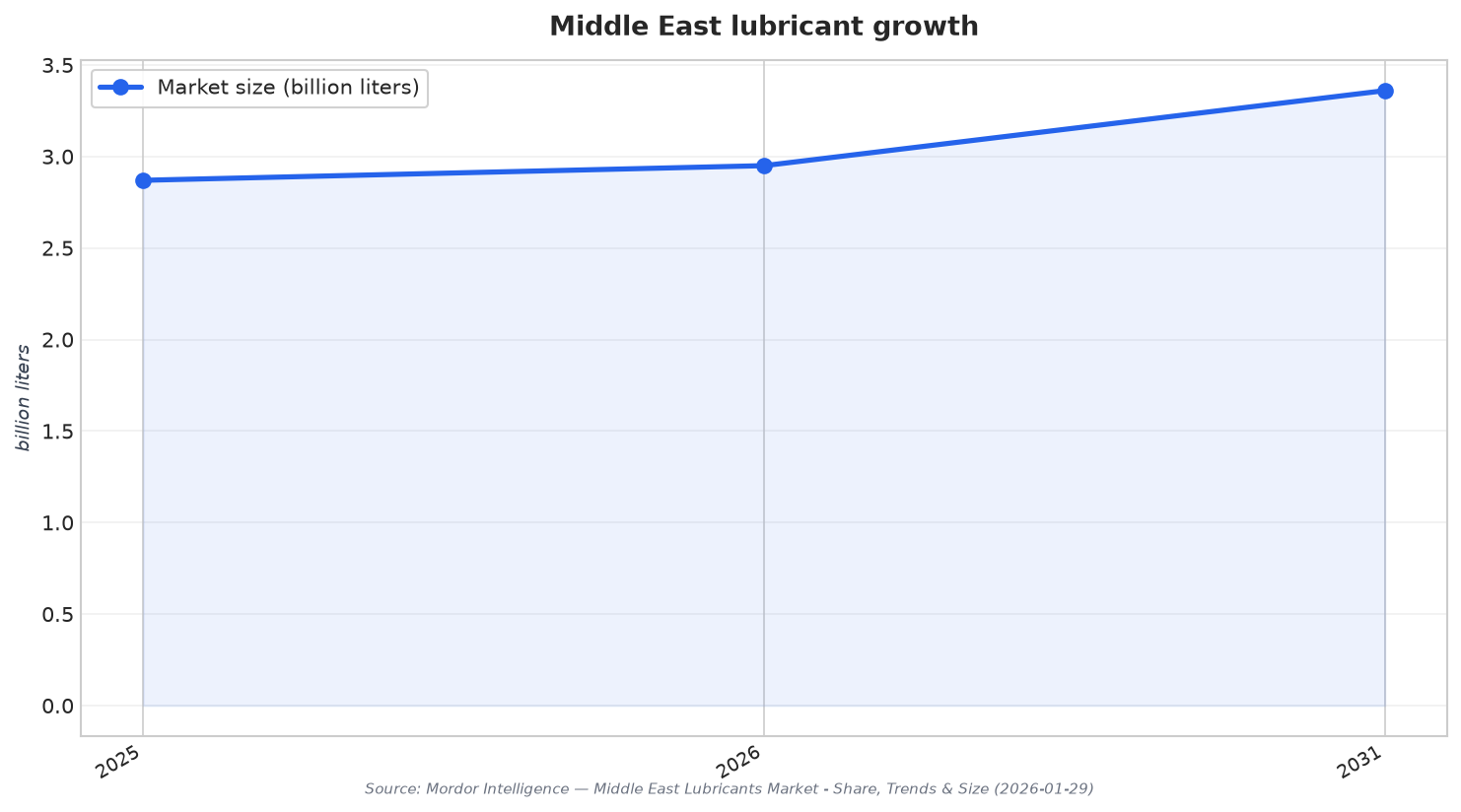
For regional suppliers assessing a long-term re-entry, segmentation signals and regional benchmarks help frame where to compete. In industrial lubricants, process oils were the largest segment in Iran with a 31.18% revenue share in 2022, and Iran accounted for 1.0% of the global industrial lubricants market in the same year. For broader context, the Middle East lubricants market was valued at 2.87 billion liters in 2025 and is estimated to reach 3.36 billion liters by 2031, with engine oils at a 37.32% revenue share in 2025 and transmission and hydraulic fluids advancing at a 3.01% CAGR for 2026–2031. The practical re-entry play is to align portfolios with NIORDC-driven blending expectations, prioritize additive resilience, and build routes-to-market that can perform under sanctions-linked friction.
What is shaping demand in Iran’s commercial vehicles lubricants segment?
Why do sanctions matter for lubricant formulation and supply reliability?
Which industrial lubricant segment leads in Iran by revenue share?
How large is Iran’s share of the global industrial lubricants market?
What is the opportunity for regional suppliers re-entering the Iran lubricants market over the long term?