

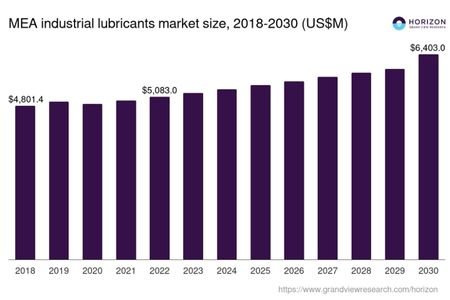
The Middle East industrial lubricants market continues to gain momentum as regional economies expand their manufacturing, petrochemical, and transport activities. With an estimated value of USD 9.54 billion in 2024, the market is projected to reach USD 12.94 billion by 2033, reflecting sustained industrial confidence and rising consumption across key sectors.
Heavy Industries Driving Lubricant Demand
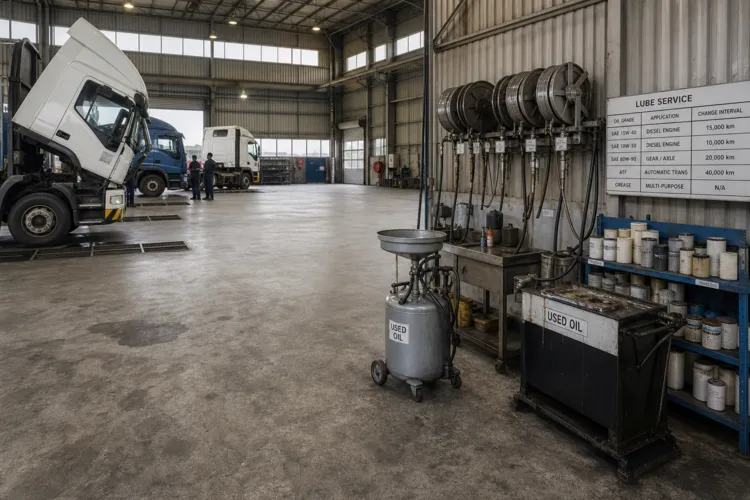
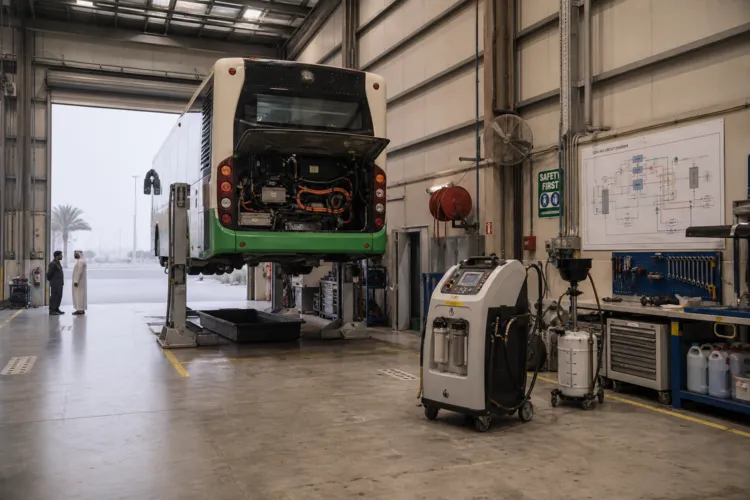
Industrial lubricants play a critical role in maintaining machinery and engines that power the region’s heavy industries. In the GCC, engine oils accounted for about 37.75% of lubricant demand in 2024, emphasizing the widespread use of industrial vehicles, heavy-duty trucks, and production equipment.
The market is forecast to grow at a compound annual growth rate (CAGR) of around 3.2%, driven by major sectors such as petrochemicals, mining, power generation, and construction. These industries remain pillars of the Middle East’s economic diversification strategies—particularly in Saudi Arabia, which is positioning itself as a base oils and lubricants production hub.
Petrochemical operations require continuous equipment reliability, with lubricants ensuring smooth operation and efficiency. Mining activity across the region also contributes significantly to demand, as specialized lubricants are essential for handling high-pressure, high-temperature, and abrasive conditions. The global mining lubricants market rose from USD 6.4 billion in 2021 and is projected to reach USD 8.96 billion by 2030, growing at a CAGR of 4.3%, a trend that mirrors regional expansion.
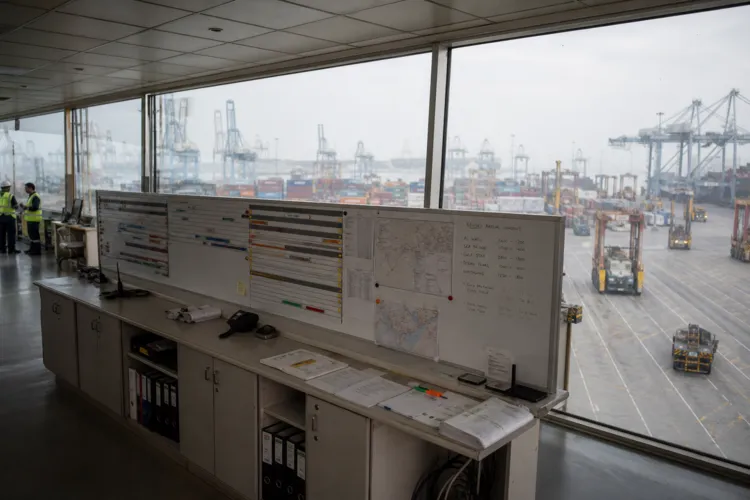
The transport and logistics sector further accelerates lubricant consumption. With growing trade routes, logistics hubs, and infrastructure connectivity, every truck, cargo carrier, and fleet vehicle depends on consistent lubricant use for performance and durability.
Together, petrochemical, mining, and transport activities form the core foundation of lubricant consumption in the Middle East. The global industrial lubricant market, expanding at 2.9%–3.3% CAGR, supports this regional growth pattern, highlighting the enduring role of industrial lubricants in supporting energy, logistics, and manufacturing value chains.
As governments across the region continue to localize supply chains and attract industrial investment, demand for Middle East industrial lubricants will keep rising. The combination of expanding heavy industry, equipment modernization, and infrastructure projects ensures lubricants remain central to the Middle East’s industrial transformation—keeping engines running, machinery protected, and production lines efficient.
Read also: Middle East Marine Lubricants: Meeting the New Era of Maritime Efficiency