
In 2026, the Middle East lubricant fight is shaped by two forces that rarely align: scale and volatility. Global majors bring deep portfolios and brand gravity, while local blenders bring speed and closeness to customers. This tension shows up even in adjacent lubricant segments. MarketsandMarkets projects the global agricultural lubricants market will grow from USD 7.55 billion in 2026 to USD 8.95 billion by 2031, at a CAGR of 3.5%. That projection matters because it underlines steady demand, but not a “winner-takes-all” environment. The strategic question becomes how a local blender vs international major lubricants approach can win share when growth is real, yet competitive pressure stays constant.
International majors have a clear advantage in perceived leadership and portfolio breadth. In the agricultural lubricants market, Shell Plc, ExxonMobil Corporation, TotalEnergies, BP p.l.c., and Chevron Corporation are identified as leading players, supported by strong market share and product portfolios. In share battles, that status can translate into easier approvals, faster acceptance in large accounts, and stronger pull through distributors. But portfolio weight can also slow decision cycles. The same source highlights how smaller, agile firms can outperform less flexible competitors by moving early into niche gaps and delivering solutions that precisely match unmet customer needs.
A 2026 Strategic Playbook: Speed, Resilience, and Fit
Local blenders can turn agility into a repeatable advantage if they systematize it. MarketsandMarkets cites Lubrex FZC, CONDAT, Dyade Lubricants, Royal Precision Lubricants, and Cougar Lubricants International Ltd as startups or SMEs that became leading players by identifying niche gaps early and matching unmet needs. The 2026 play is to operationalize that mindset: faster decision-making, continuous innovation, and tighter feedback loops with end users. This is not a “small is beautiful” slogan. It is a process choice. The moat is not the plant size. The moat is the ability to sense demand shifts and release targeted solutions before larger rivals align internally.
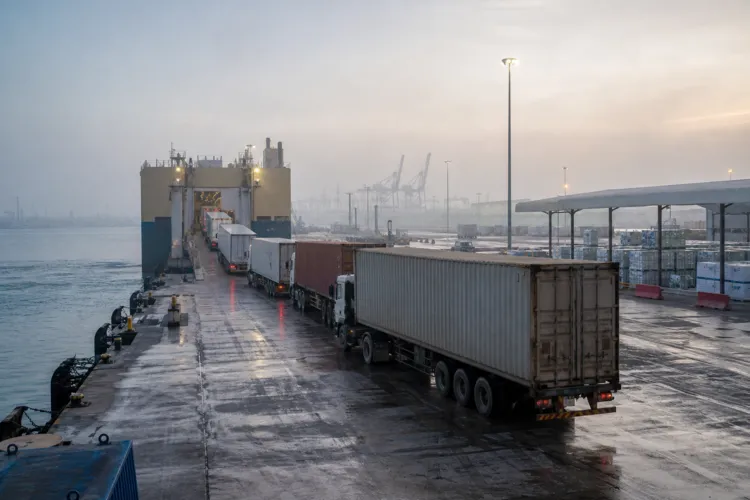
Resilience is the second lever, and it is increasingly strategic rather than defensive. The Middle East and nearby lanes face geopolitical volatility, including persistent risk in the Middle East and Red Sea that can cast a shadow on freight dynamics. A broader resilience view also means revisiting physical supply chains and not just switching suppliers on a spreadsheet. One recommended approach is building long-term relationships and term contracts with non-Gulf counterparties, investing in blending and compatibility capabilities, and where feasible taking minority stakes or offtake-linked investments to secure flow priority. For a local blender, “compatibility” becomes a commercial weapon. For a major, it becomes a way to preserve service levels across disruptions.
Majors can still win by combining brand strength with faster execution, because 2026 is described as a “new normal” of fragmentation. Research cited in 2026 leadership guidance stresses resilience through organisational slack, including unborrowed slack (low financial leverage) and operating slack (excess capacity), to absorb shocks. It also states that firms acting swiftly post-conflict suffer less reputational damage, and that indecision is the ultimate risk. That framework fits lubricant competition: majors should empower regional teams, shorten approval loops, and localize decisions. Local blenders should build credibility through consistent delivery under stress and targeted innovation that converts unmet needs into repeat contracts.
In practice, the winning Middle East playbook in 2026 is a split-screen strategy. Local blenders should anchor on niche-gap discovery, fast decisions, and continuous innovation, mirroring the SME pattern already highlighted. International majors should use portfolio leadership as the opening move, then defend share with speed and resilience tactics that match the volatility context. Across both models, the point is the same: demand may grow, but advantage comes from execution under structural friction, not from size alone. The most durable winners will be those that turn supply-chain resilience and rapid response into customer trust.
What does “local blender vs international major lubricants” mean in 2026 strategy terms?
Which companies are identified as leading players in agricultural lubricants?
Which startups or SMEs are cited for winning by finding niche gaps early?
What market growth context is given for agricultural lubricants?
What resilience actions are recommended for physical supply chains under volatility?