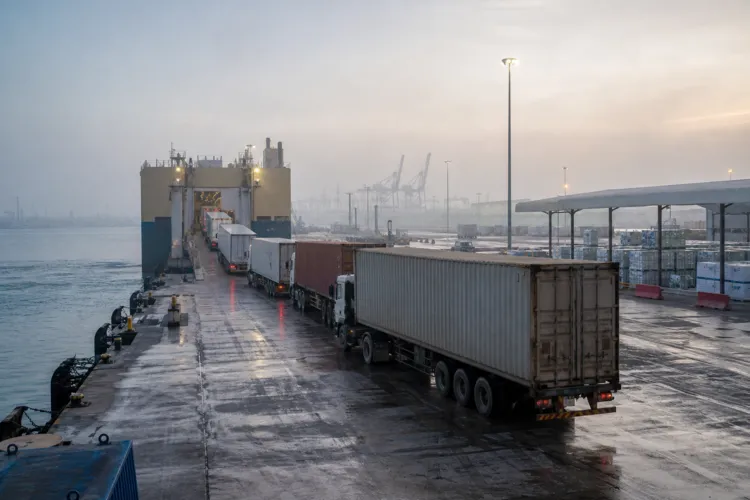

Aramco’s Yanbu strategy has moved from contingency planning to daily execution. Shipping data showed crude exports from Saudi Arabia’s Red Sea Yanbu port rose to nearly 4 million barrels per day in the past week. That followed a sharp change versus an average of 770,000 bpd in January and February, according to Kpler and LSEG figures cited in maritime reporting. The shift matters beyond crude. It sets the operating context for downstream ambitions, including the market narrative around Luberef base oil capacity 2026, because reliable logistics and export flexibility are part of how Aramco defends Middle East leadership in refined products.
Yanbu’s infrastructure depth is not new. Yanbu was developed starting in the 1980s and underwent a large expansion completed in 2018. Aramco highlighted the commissioning of Yanbu South Terminal, saying it would double capacity with an additional 3 million barrels per day. Aramco also described the terminal as including a tank farm and offshore facilities to receive, store, and load Arab Light and Arab Super Light crude oil. In March 2026, this earlier buildout became the foundation for an accelerated rerouting plan as the Strait of Hormuz faced an effective closure due to conflict.
Why Aramco Is Doubling Down on Yanbu
The operational logic is straightforward in the sources. Aramco said on March 10 it could pump up to seven million bpd through the East-West Pipeline to Yanbu. Around five million bpd could be available for export, with the rest supplying local refineries. Separate reporting also notes the Saudi East-West pipeline can handle 7 million barrels per day and that the Yanbu terminal can load up to 4.5 million barrels, according to Kpler. Those constraints explain why analysts tied expectations to a ramp toward about 5 million bpd by the end of the month, which Kpler’s Johannes Rauball said would be close to Yanbu’s maximum loading capacity.
Market signals show how intense the reroute has become. The Wall Street Journal reported loadings were around 3.4 million barrels a day so far in March, based on Kpler data, and that flows since the beginning of the week reached 4.5 million barrels a day, exceeding 5 million barrels a day on some days. Maritime reporting added that 33 VLCCs have taken oil out of Yanbu since February 28. It also cited market estimates that average tanker earnings for voyages from the Red Sea to Asia reached nearly $270,000 per day, the highest level in nearly six years. This is the commercial footprint of Aramco’s defense posture.
Security risk is part of the same story, not a sidebar. Yanbu briefly halted loadings after an Iranian drone attack on a refinery there, according to maritime coverage. Aramco also restarted the 550,000-bpd Ras Tanura plant after a precautionary shutdown that followed drone-related incidents, and executives described shifting exports of fuels such as diesel and gasoline to refineries along the western Red Sea coast while other plants on the Persian Gulf meet domestic demand. In that environment, the strategic message for investors and customers is continuity. That is why the discussion around Luberef base oil capacity 2026 sits alongside Yanbu’s crude-export surge as a test of regional reliability.
What is driving Aramco’s rapid increase in Yanbu exports?
What are Yanbu’s key throughput constraints mentioned in the sources?
How does the 2018 Yanbu expansion connect to today’s strategy?
What do shipping indicators say about the scale of the reroute?
What does 'Luberef base oil capacity 2026' mean in this Yanbu-focused context?