

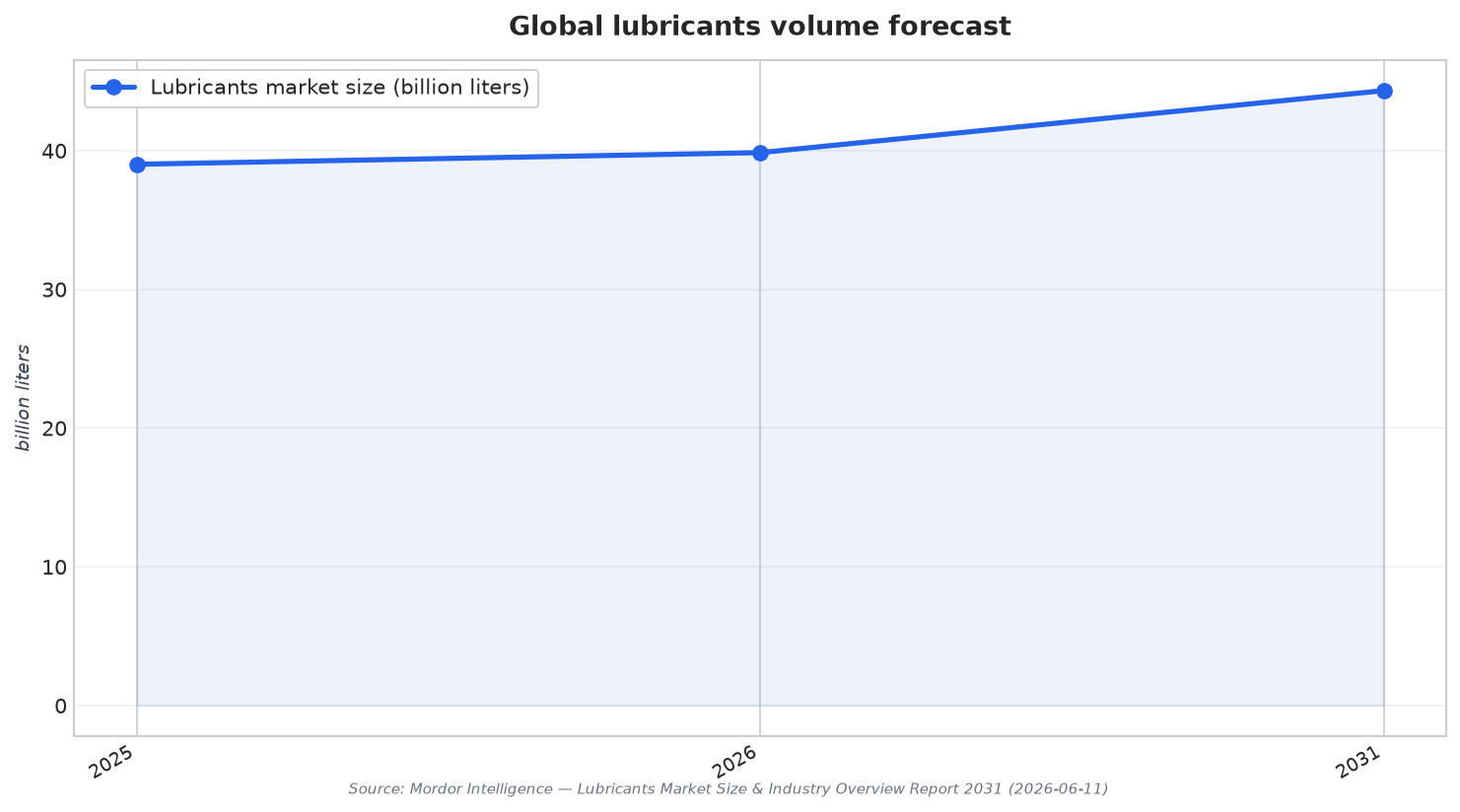
Demand in Morocco’s lubricants landscape is being pulled in two directions at once: the day-to-day realities of fleet and port-linked operations, and the country’s accelerating role as an automotive manufacturing base. Globally, the lubricants market is projected by Mordor Intelligence to rise from 39.86 billion liters in 2026 to 44.33 billion liters by 2031, a 2.15% CAGR, alongside a shift away from traditional mineral grades toward higher-performance synthetics as environmental rules tighten and OEMs pursue viscosity downgrades for fuel-economy gains. In Morocco, those same themes show up in procurement patterns, certification timelines, and the need to supply fast-moving transport corridors efficiently.
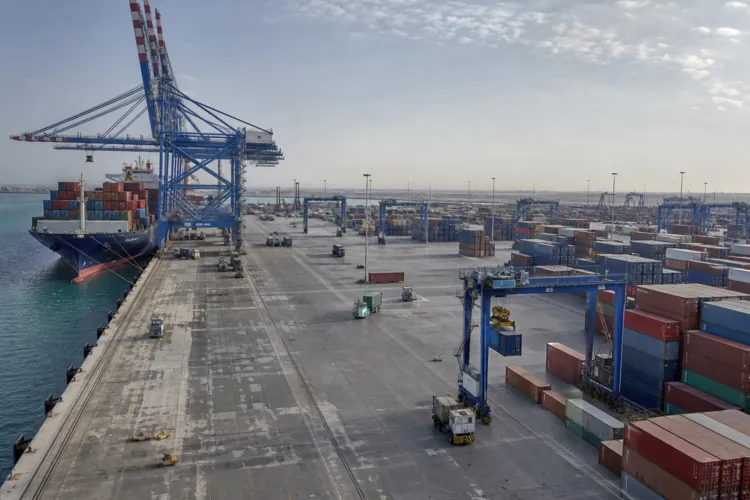
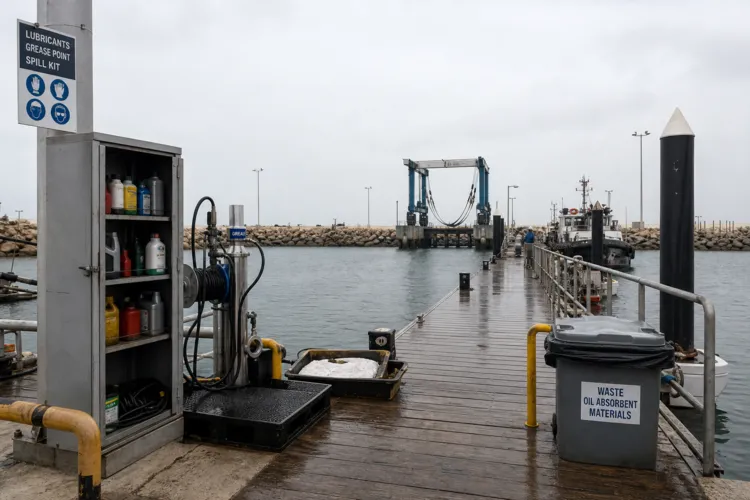
For Morocco’s service and distribution channels, logistics intensity matters. MarkWide Research describes fleet consolidation among Moroccan commercial transport operators, especially around Casablanca’s logistics corridor, shifting procurement toward bulk synthetic formulations and performance guarantees rather than per-liter pricing. It also points to coastal, port-adjacent blending infrastructure that reduces lead times on the Agadir–Casablanca–Tangier commercial axis, with TotalEnergies leveraging its coastal blending facility to anchor supply contracts. At the same time, constraints shape the market’s pace: Morocco lacks Group III and PAO manufacturing capacity, creating base-oil import dependency and exposure to freight cost volatility from Middle Eastern and European refiners, while API-related verification timelines can delay launches by six to nine months.
Automotive Manufacturing Growth Raises the Bar for OEM-Approved Fluids
Automotive manufacturing momentum adds another layer of lubricant demand, from factory fill requirements to a growing installed base that needs regular servicing. Mordor Intelligence values the Moroccan automotive industry at USD 4.29 billion in 2025, estimating growth from USD 4.76 billion in 2026 to USD 8.45 billion by 2031, a 12.15% CAGR for 2026–2031. Passenger vehicles held 76.27% of revenue in 2025, while commercial vehicles are forecast to expand at a 12.17% CAGR through 2031. The same report notes battery electric vehicles at 36.71% share in 2025, projected to grow at a 12.25% CAGR to 2031, reinforcing the need for suppliers to keep portfolios aligned with changing OEM requirements and dealer-led service models.
In the Moroccan automotive lubricants segment specifically, MarkWide Research says engine oil holds the dominant volume share across service channels, reflecting an aging passenger vehicle parc. It also flags transmission fluid as the fastest-growing category as automatic gearboxes increase in urban taxi and ride-hail fleets, including dual-clutch and CVT systems. Policy signals amplify the shift toward higher-performance products: Morocco’s Ministry of Energy Transition and Sustainable Development enforces fuel-economy standards that indirectly tighten lubricant performance requirements, while the national quality regulator verifies SAE and API certifications for imported formulations. Stakeholders are also watching how Euro VI-equivalent standards could reshape additive specifications for commercial fleets.
Regional context helps explain why Morocco is drawing attention in lubricant forecasts. In its Africa lubricants coverage, Mordor Intelligence notes that Morocco is expected to lead with a 2.89% CAGR during 2025–2030, and it links momentum to a national plan to assemble 1 million vehicles by 2030, which would catalyze demand for OEM-approved engine and transmission fluids. Broader Africa indicators point the same direction: Market Data Forecast cites OICA data that Africa produced over 1.2 million vehicles in 2023, up 6% from the previous year, and connects rising output to higher demand for engine oils, gear oils, and other automotive lubricants. Together, these signals frame a 2031 outlook where Morocco’s lubricant suppliers win by pairing port-side responsiveness with OEM-grade product readiness.
What is driving growth in the Morocco lubricants market through 2031?
Which lubricant products are highlighted as most important in Morocco’s automotive channels?
How does local supply infrastructure affect lubricant availability in Morocco?
What constraints can slow new lubricant product launches in Morocco?
What regional signals support Morocco’s lubricant outlook?