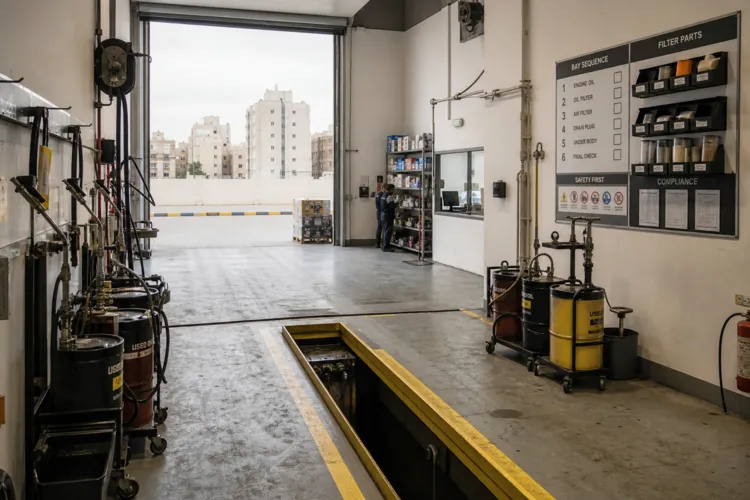

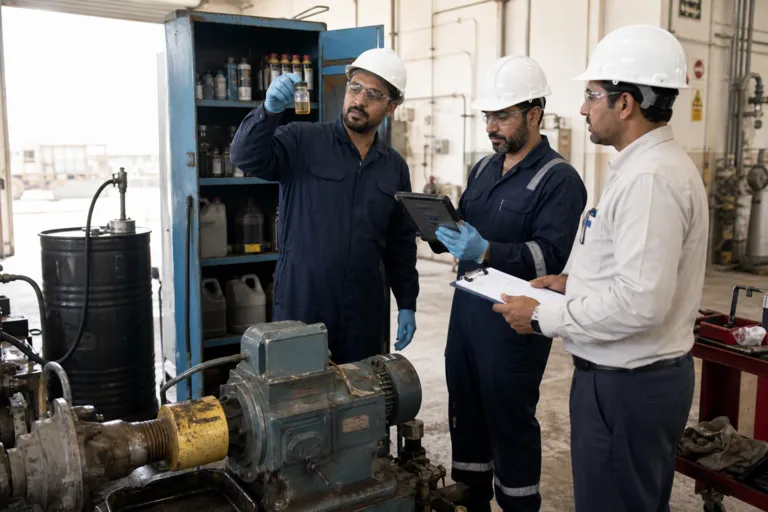
In the Middle East, lubricant programs have often been sold as schedules. You change oil on a calendar. You test at set intervals. You renew contracts on a fixed scope. AI oil analysis predictive maintenance pushes against that model. Oil and gas operations are data-heavy, with infrastructure built from thousands of interconnected systems such as pumps, compressors, turbines, valves, pipelines, drilling rigs, and processing facilities. AI-powered monitoring can detect subtle performance changes before equipment fails. That enables intervention before shutdowns occur, which changes what customers expect from a lubricant supplier and what suppliers can credibly promise.
The practical shift is from periodic sampling to continuous signals. Real-time oil condition monitoring is already framed as a way to avoid unnecessary downtime and prevent harm to personnel and equipment by predicting problems before they result in failure. One example cited is Castrol Smart Monitor, which provides up to 8,000 data points annually so customers can monitor oil quality in real time. Add AI, and algorithms can analyze sensor data to predict potential failures, supporting proactive maintenance instead of reactive repairs. For lubricant contracts, that implies fewer “routine” visits and more outcomes-based service tied to measured condition.
Why Contracts Change When Monitoring Moves to the Edge
Edge AI strengthens the contract case because analysis happens close to the asset. Edge computing processes data on devices, gateways, or local servers rather than sending everything to the cloud. In predictive maintenance, edge AI can analyze vibration patterns, temperature anomalies, and pressure fluctuations locally, and trigger alerts before damage escalates. The same architecture can enhance data security because sensitive operational data stays within the plant rather than traversing public networks. For Middle East operators that value operational control, this supports contract language around alerting, escalation, and data handling responsibilities.
Service levels also evolve because predictive maintenance outcomes can be quantified operationally, even if each site differs. One published range states that predictive maintenance powered by edge intelligence extends equipment life by 20–40% versus not having predictive maintenance. In contract terms, that can shift negotiations away from “liters delivered” toward verified practices that reduce wear and tear and defer costly capital expenditures. It also changes workforce expectations. If AI handles routine monitoring and early warning, technicians can focus on root-cause analysis, process improvement, and maintenance planning. That rebalances the supplier’s on-site labor mix and the customer’s internal staffing assumptions.
Oil and gas AI programs are often justified by broader performance goals. One industry view is that AI helps operators improve capital efficiency, reduce emissions intensity, maximize recovery from existing assets, and maintain profitability during volatile commodity cycles. Predictive maintenance is cited as a major value driver in that bundle because it supports producing more with fewer rigs, lower downtime, and tighter operational control. In parallel, process AI examples emphasize operationally usable lead time. Honeywell’s HALO example notes a 12-minute advance warning for pressure disturbances that proved sufficient for preventive action. Lubricant contracts can mirror this idea with response-time targets tied to actionable windows.
Finally, contracts change because the Middle East is positioning AI as an economic lever. PwC and Strategy& research cited in regional coverage says the Middle East’s economy could see an additional $232 billion by 2035 if the region fully embraces AI and takes decisive action on climate change. That macro framing encourages buyers to ask suppliers for AI-enabled services, not just products. The most durable lubricant service contracts will likely spell out data access, alert thresholds, decision rights, and iterative model improvement, while still recognizing that AI supports technicians rather than replacing them. The business model becomes “keep assets running” with evidence, not “change oil because it is time.”
What does AI oil analysis predictive maintenance mean in lubricant service contracts?
What real-time oil monitoring capability is cited in the sources?
Why does edge AI matter for predictive maintenance programs?
What equipment-life impact is stated for edge AI predictive maintenance?
What lead-time example shows how predictive AI can enable preventive action?