
Demand signals for aircraft turbine oil Middle East usage are being shaped by how aircraft are actually flying today. Airspace disruption has “effectively been shut down” across a central corridor, with airspace closures including Iran, Iraq, Kuwait, and Syria, and heavy restrictions across Israel, Bahrain, the UAE, and Qatar. Major hubs such as Dubai, Abu Dhabi, and Doha have seen operations “periodically disrupted or significantly reduced.” When hub flows become unstable, fleet planning and maintenance planning becomes harder, and engine operating patterns change.
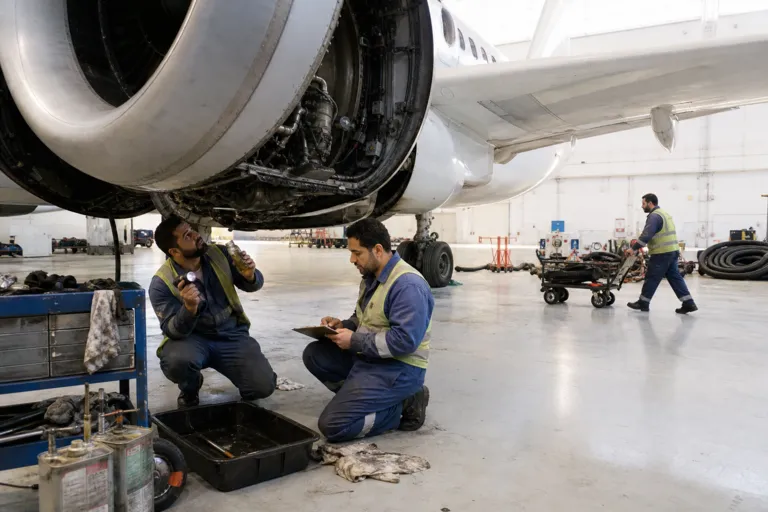
Rerouting is a direct driver of added engine stress. Diversions north via the Caucasus and Afghanistan or south via Egypt, Saudi Arabia, and Oman “typically add 90 to 120 minutes per flight.” Aviation Maintenance Magazine links longer routes to higher engine utilization and accelerated Exhaust Gas Temperature (EGT) margin deterioration, with performance restoration shop visits in some cases advanced “by several months.” Reroutes can also mean hotter, high-particulate operating regions, increasing sand and dust ingestion and speeding turbine blade erosion and cooling hole blockage.
Why Middle East Hubs Still Matter Even Under Pressure
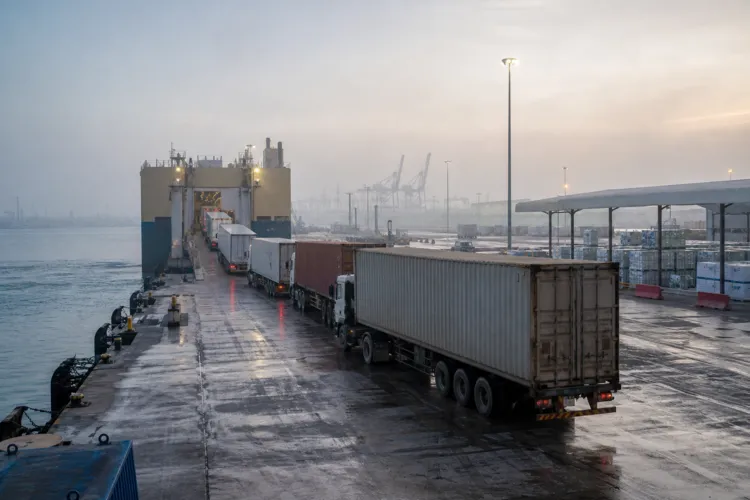
Even with disruption, the Middle East remains central to global connectivity. For cargo, around “30 to 32%” of all freight moving between Europe and Southeast Asia passes through Middle Eastern hubs, and for Europe to South Asia routes that share rises to “55%.” When Gulf hubs are disrupted, knock-on effects can shift flows to alternatives like Istanbul, described as “quickly becoming the go-to alternative.” This reshuffling changes where aircraft cycle, where maintenance is performed, and where consumables planning must be adjusted.
Fuel supply and pricing shocks add another layer of operational strain around hubs. Reuters reported that jet fuel prices have “more than doubled” since the conflict erupted, while crude saw a “roughly 50% rise” before the ceasefire. Airlines responded by hiking fares, cutting flights, adding refuelling stops, and carrying extra fuel. IATA warned that even if key transit hubs reopen, jet fuel supplies could remain tight and costly “for months,” citing disruption to refining capacity across the Middle East.
Gulf News frames shortages as “a refinery allocation problem rather than a crude oil supply problem,” noting that not every refinery is configured to produce sufficient aviation-grade kerosene. It also points to refinery concentration in hubs including the UAE and Saudi Arabia, and describes the Gulf as a “fast-growing hub region” where Dubai, Abu Dhabi, and Doha serve as major global transit points. In this environment, airlines face longer flights, higher costs, and more volatile schedules—conditions that can increase the importance of disciplined engine care programs tied to aircraft turbine oil Middle East operations.
Over the longer arc, aviation energy markets are still expected to expand. Intel Market Research valued the global Aviation Jet Fuel & Turbine Fuels market at “USD 130.58 billion in 2024” and projected it to reach “USD 177.37 billion by 2034,” at a “4.9%” CAGR. At the same time, the current Middle East operating environment—reroutes, hot-section wear, logistics constraints, and hub disruption—creates near-term pressure on engine time-on-wing and MRO planning. For stakeholders tracking aircraft turbine oil Middle East demand, the story is increasingly about operational realities as much as traffic growth.
What is driving aircraft turbine oil Middle East demand signals right now?
Which Middle East aviation hubs are mentioned as being disrupted?
How important are Middle Eastern hubs for cargo flows?
What has happened to jet fuel prices during the conflict period?
Why can jet fuel shortages happen even if crude oil is available?