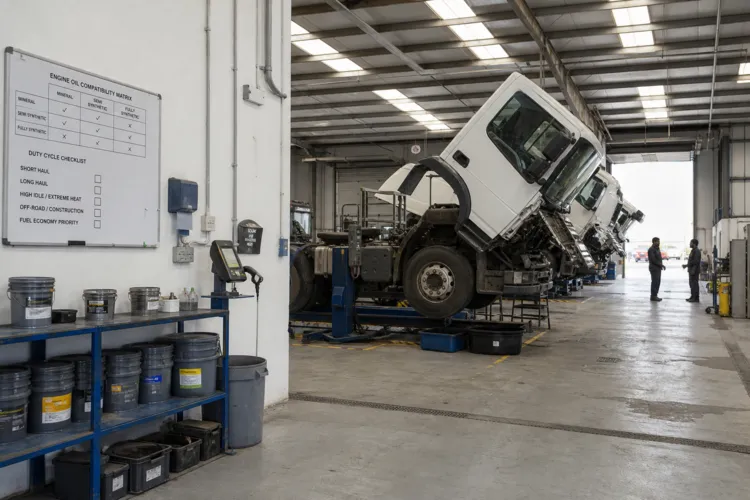
Egypt’s local vehicle assembly momentum is changing how lubricant demand is won and retained. One signal is structural: local assembly now anchors nearly half the market, while the government is using incentives to raise local content from 45% toward a targeted 60% by 2030. As assembly lines expand and models diversify, the first fluids that enter a new engine or drivetrain become part of a broader OEM-led pathway that influences later service-fill choices. In parallel, Egypt operated more than 5 million internal-combustion vehicles in 2024, and passenger-car service intervals average 6,000 kilometers. That installed base keeps the aftermarket large, but factory-fill selection increasingly sets the quality expectations that flow into routine maintenance.
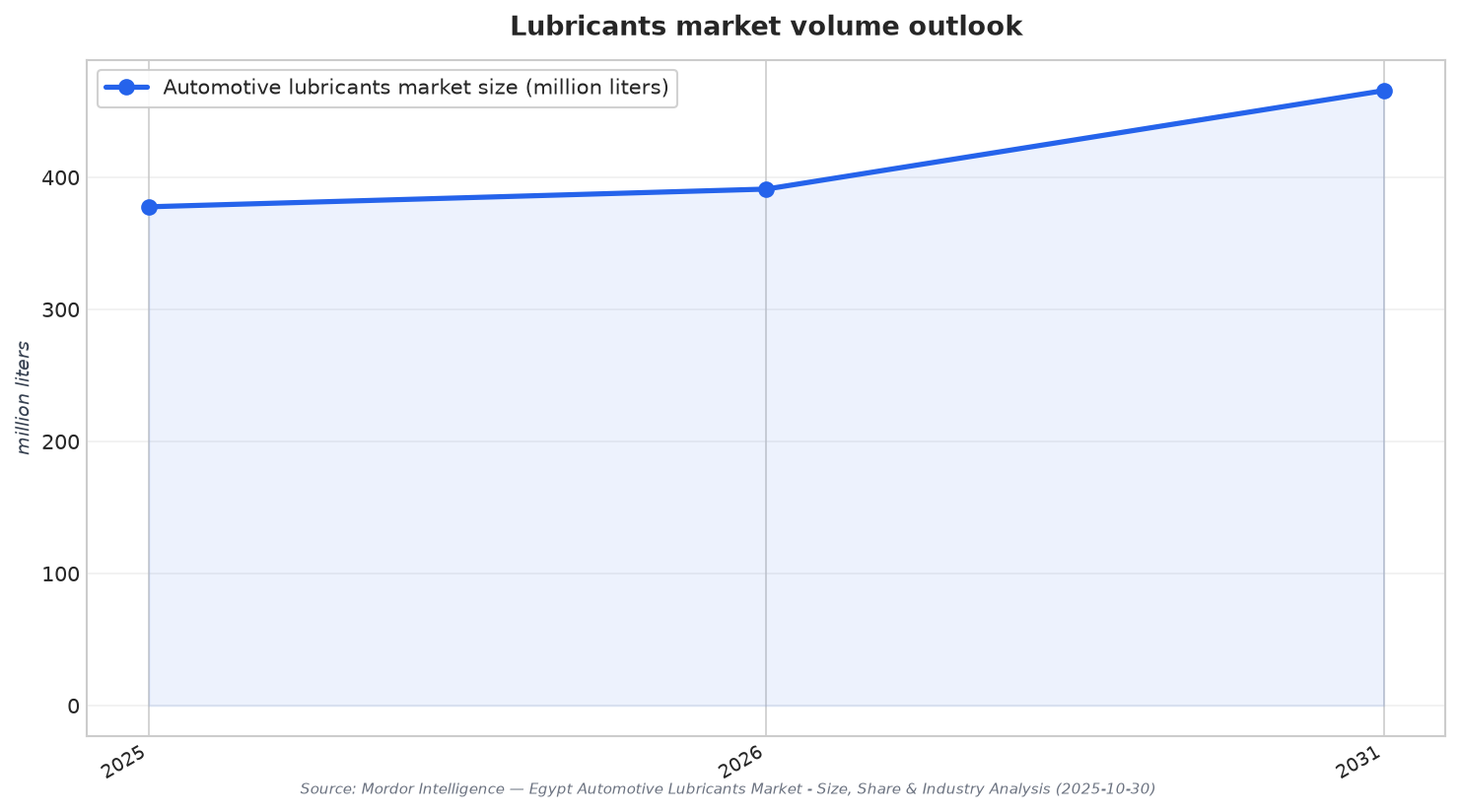
Lubricant suppliers are responding to a market that is growing and becoming more specification-driven. Mordor Intelligence forecasts the Egypt automotive lubricants market to rise from 377.70 million liters in 2025 to 391.11 million liters in 2026, reaching 465.67 million liters by 2031, at a 3.55% CAGR over 2026–2031. Within 2025 demand, automotive engine oils held 62.78% share, and passenger cars represented 51.54% share. These figures matter for factory-fill strategy because passenger vehicles dominate volumes and typically set the baseline for API and ACEA performance expectations. At the same time, automatic transmission fluids are forecast to expand at a 3.82% CAGR through 2031, pointing to broader factory-fill opportunities beyond engine oil.
Where Factory-Fill Specs Create Advantage in Local Assembly
OEM requirements and regulatory enforcement are raising the bar for approved formulations used at assembly plants. Mordor Intelligence notes an OEM-led shift toward higher-spec multigrade and synthetic blends, while enforcement by the Egyptian Organization for Standardization (EOS) is lifting baseline quality and squeezing counterfeit supply. In the wider lubricants market, Mordor Intelligence values Egypt’s lubricants market at 637.08 million liters in 2026, growing to 711 million liters by 2031 at a 2.22% CAGR. Mineral oils still represented 66.28% of market size in 2025, yet synthetics are forecast to expand at a 3.12% CAGR during 2026–2031. That mix shift supports a factory-fill playbook centered on qualifying premium grades for new models, while offering semi-synthetics as a bridge for fleets and older vehicles transitioning upward.
Policy and platform moves add more pull-through for suppliers that can blend locally and meet rising specs. In May 2025, ADNOC Distribution partnered with TotalEnergies Marketing Egypt to launch ADNOC Voyager lubricants manufactured at TotalEnergies’ blending facility in Borg El Arab, with the stated aim of supporting industrial growth, creating employment opportunities, enhancing local supply chains, and reducing reliance on imports. On the demand side, light commercial vehicles are projected to expand at a 3.47% CAGR through 2031 in Egypt’s automotive engine oils market, and fully synthetic oils expand at a 3.55% CAGR as OEMs demand premium performance in newer engines. Meanwhile, a shift toward natural-gas vehicles is influencing fluid choices: GASTEC reported a 107% surge in NGV sales during 2024, encouraging launches of GL-4 and GL-5 products formulated for methane-fuel contaminants.
For Egypt automotive assembly factory fill lubricants, the most practical opportunity is to align with the factory’s bill of materials and then protect that win through compliance, distribution, and education. The AIDP offers tax breaks for production volumes exceeding 10,000 units, which can increase the number of vehicles leaving plants with an OEM-approved first fill. Suppliers can position around passenger-car dominance, the rising role of automatic transmission fluids, and expanding light commercial demand, while also addressing Egypt’s operating environment through higher-grade formulations and warranty-aligned specifications. With tighter EOS quality enforcement and more local blending activity, the most resilient strategies are those that treat factory fill not as a one-time sale, but as the start of a longer service-fill relationship.
How does Egypt’s local assembly push change lubricant opportunities?
What do forecasts say about Egypt’s automotive lubricants growth?
Which lubricant segments matter most when targeting factory fill?
How are synthetics and premium specs trending in Egypt?
What does the factory-fill lubricant topic look like for Egypt’s automotive assembly plants?