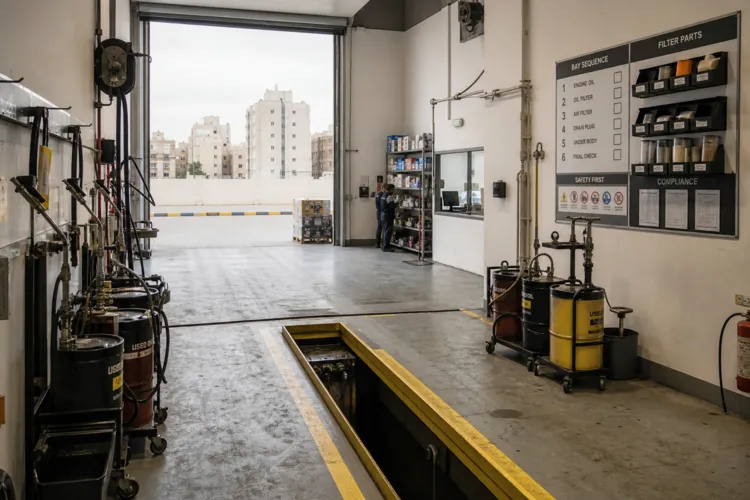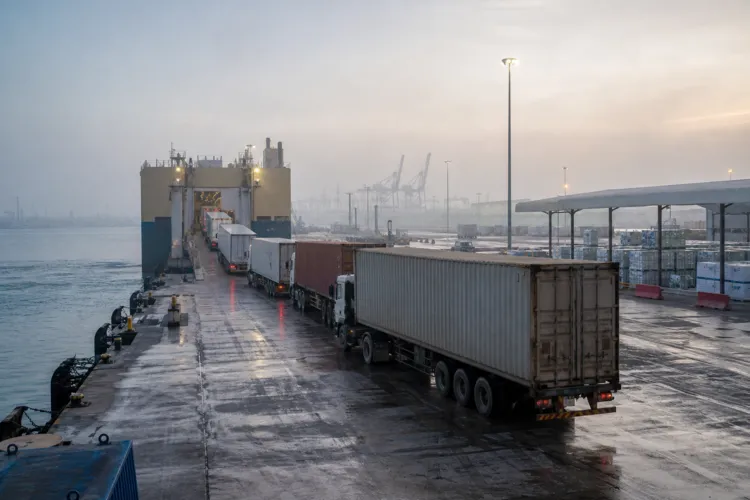

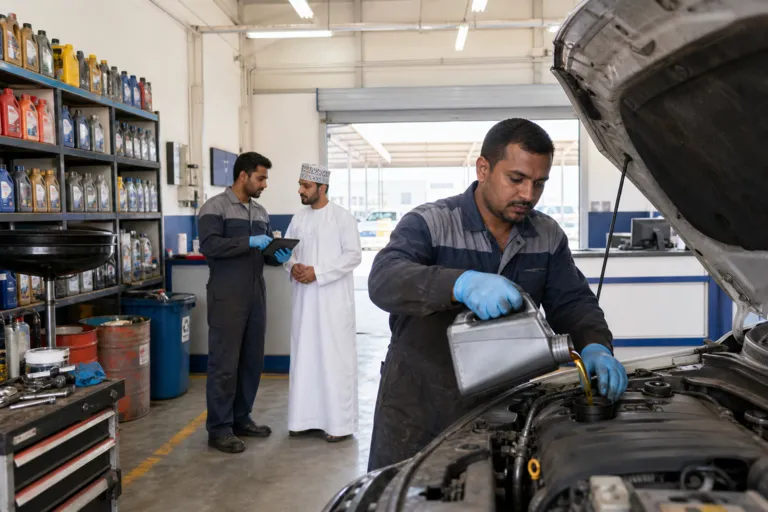
Premiumization of a premium lubricant brand GCC is easier to justify when the market context is already shifting away from pure commodity logic. The Middle East’s chemicals sector has been historically dominated by high-volume, standardized and price-driven commodity chemicals, but it is now diversifying into specialty chemicals. The stated reason is that specialty products can offer higher margins and greater value, often created through close collaboration with customers. In parallel, national strategies such as Saudi Vision 2030 and UAE Vision 2031 have reordered priorities, while initiatives like Operation 300 billion emphasize the industrial sector. That makes premium positioning less about price alone and more about a workshop-grade value story that technicians and fleet decision-makers can repeat.
The same source frames the scale of the industrial platform premium lubricants sell into. It states the chemical industry contributes 33 percent of total GCC manufacturing GDP and 4 percent of total GCC GDP. For lubricant marketers, that matters because workshops and quick-lube outlets live inside a broader industrial ecosystem that is being pushed toward innovation and sustainability. Premiumization can therefore be designed as a serviceable proposition: the product, the technical support, and the in-bay routine that makes the higher-margin tier credible. In practice, this means building premium grades, packaging, and claims that are aligned with how customers actually operate, not only with what a brand wants to say.
Turning Premium Features Into Workshop and Quick-Lube Habit
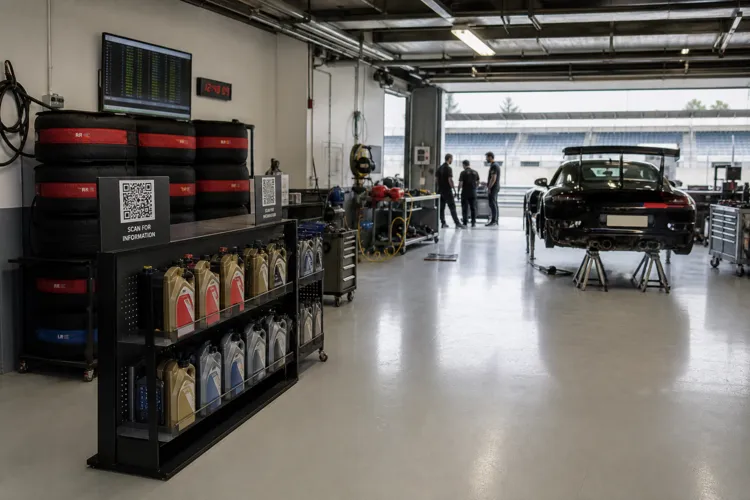
In the workshop and quick-lube tier, habit and perceived quality are major decision forces. A Shell case study from Malaysia describes a category “traditionally driven by habit,” and reports that an episodic platform strengthened emotional relevance and brand perception, with brand share preference increasing over two years and high-quality fuel perception also showing a notable increase. Even without publishing the exact figures, the implication is clear for premium lubricants in the GCC: premiumization is not only a formulation discussion; it is a repeatable story that creates confidence at the point of service. That is especially important in fast-turn bays where time is limited and technicians rely on familiar scripts.
Product narratives also need proof points that translate into operational outcomes and transitions. Chevron’s Clarity AW is described as a mineral-based, ashless formulation engineered for mobile and stationary hydraulic systems, positioned around extended oil life and wear protection while maintaining high filterability and compatibility, easing transitions from traditional zinc-based products. This kind of language is useful for premium lubricant playbooks because workshops and quick-lube operators must avoid comebacks and customer complaints when switching tiers. Separately, a Chevron Marine Lubricants release emphasizes a “practical, data-driven lubrication solution tailored to each customer’s operational needs,” reinforcing the premium principle of collaboration and monitoring rather than one-size-fits-all selling.
Capturing high-margin tiers also requires sales capability that matches a digitally evolving marketplace. ICIS and Plan Grow Do announced a collaborative training programme designed to help the lubricants value chain meet these challenges. The programme highlights executive briefings and client workshops to align pricing reality with buyer expectations, plus data-enabled training and change management with ICIS insights embedded into selling programmes. For a premium lubricant brand in the GCC, this is a reminder that premiumization fails when it is only a product launch. It works when pricing discipline, buyer-led conversations, and in-channel training converge, so workshops and quick-lube outlets can confidently recommend the premium tier.
Finally, premiumization strategy should respect scope and avoid overclaiming what the data does not say. The sources include a global agricultural lubricants market figure of $8.95 billion by 2031, but that number is not GCC-specific and should not be used as a regional market-size shortcut. Instead, GCC brands can anchor premium growth in the documented regional shift to specialty chemicals, the economic weight of chemicals in GCC GDP measures, and buyer-led selling systems designed for competitive environments. Put together, these signals support a focused plan: build premium propositions around performance, compatibility, and sustainability objectives, then operationalize them through training and workshop-ready routines that turn premium into the default choice.
What does “premium lubricant brand GCC” premiumization mean in this article?
What facts support a premium shift in the region?
Why do workshops and quick-lube outlets matter for premium tiers?
What selling capabilities are highlighted for premium lubricants?
How do the sources frame premium product value beyond price?