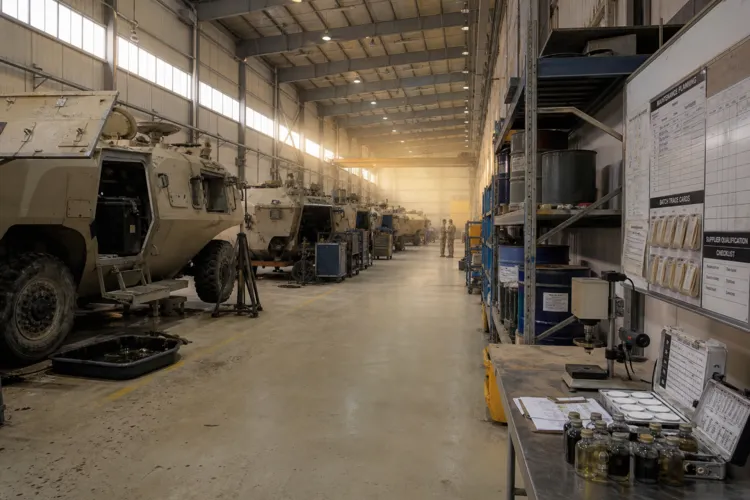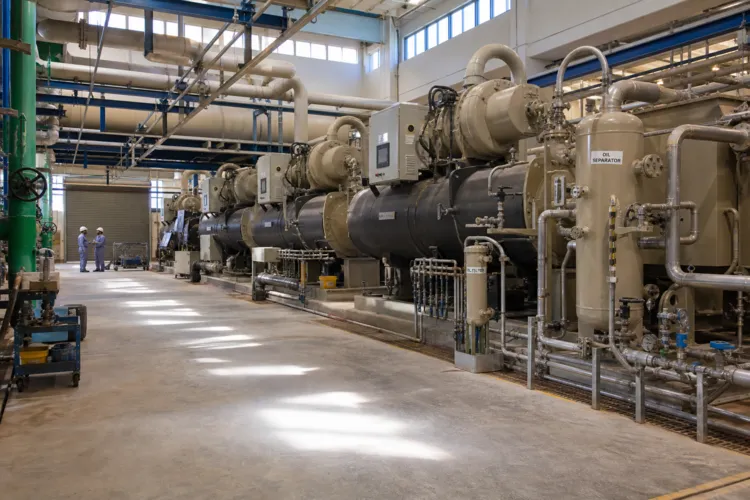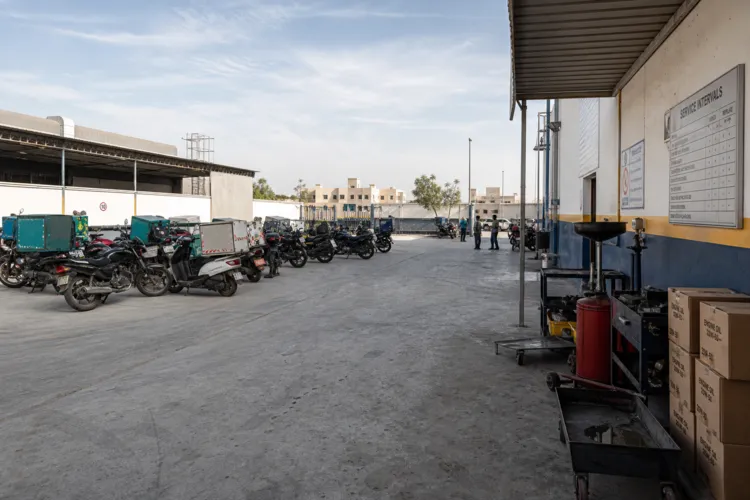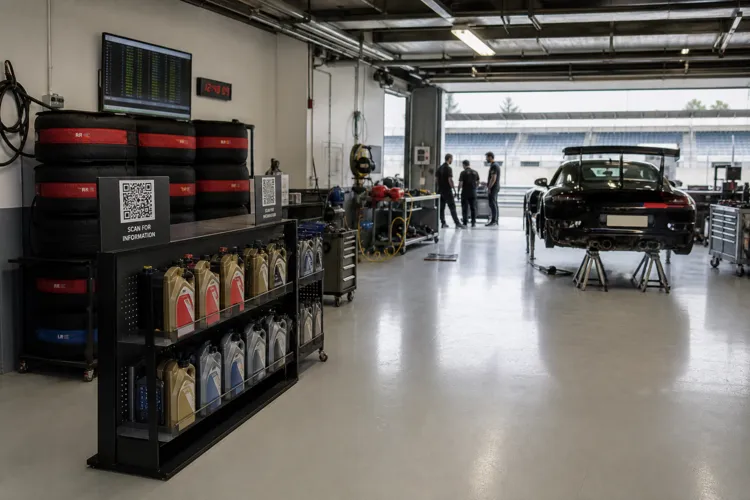

The Qatar lubricants market is described as a rapidly evolving market with immense growth potential, supported by considerable industrial investments and a strong passenger car fleet. Ken Research notes that more than 100 lubricants manufacturers are present in Qatar, while the market remains consolidated around major Oil & Gas-linked players and global lubricant brands. This structure matters because it supports wide distribution, steady supply, and competitive product positioning across automotive and industrial needs.
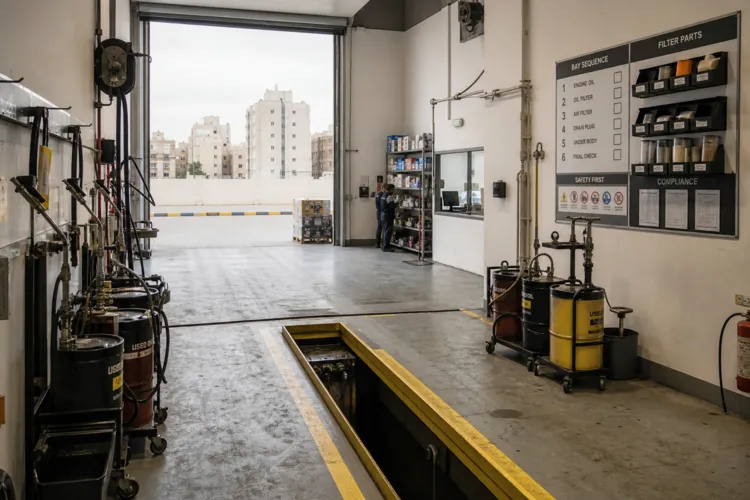
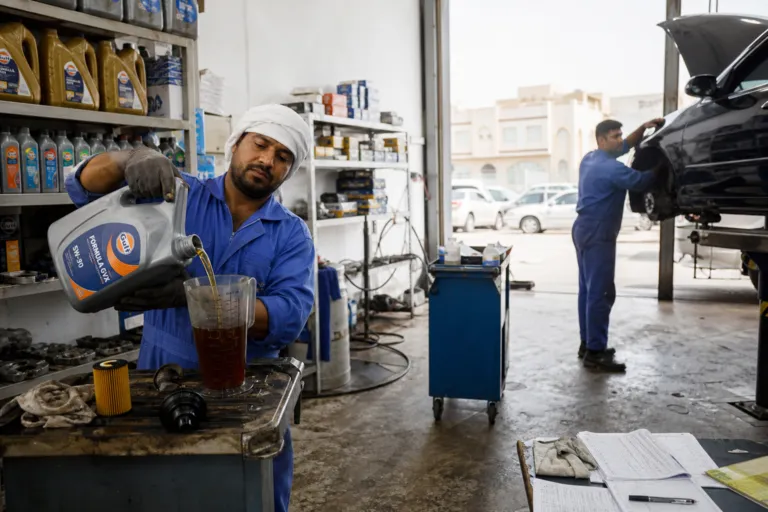
Automotive demand is a major pillar that extends beyond LNG-linked activity. Mordor Intelligence states that in 2020, the automotive industry accounted for around 56% of total lubricant consumption in the country, and it also highlights engine oils as the largest product type due to high replacement frequencies. Ken Research adds that the FIFA World Cup 2022 supported a quick recovery of automotive sales in 2021, driven by a massive influx of tourists that increased rental taxis and ride-hailing services.
Demand Drivers That Keep Expanding the Base
High vehicle ownership and premiumization push lubricant usage even when mega-project cycles cool. Verified Market Research cites Qatar’s GDP per capita of $83,000 in 2022 and vehicle ownership of 411 per 1,000 people in 2023, exceeding the Middle Eastern average of 158. It also links infrastructural development and tourism growth to car usage and lubricant consumption, including a cited $200 billion in infrastructural investments.
Industrial demand is also broadening beyond headline infrastructure. Ken Research states that the industrial segment rose gradually due to significant investments across energy, manufacturing, construction, and government activity. Nexdigm similarly attributes growth to rapid expansion of automotive and industrial sectors, and values the Qatar lubricant market at 59.28 million liters in 2025 with an approximated 3% CAGR from 2025–2030. It also notes Doha’s dominance due to its industrial base and distribution networks, while Al Rayyan and Al Wakrah contribute via growing infrastructure projects and increasing vehicle registrations.
Two additional forces reinforce demand: product upgrading and regulation. Ken Research notes mineral lubricants are widely used due to affordability and availability, but the market is shifting toward synthetic lubricants across automotive, shipping and transport, aviation, and construction. Nexdigm adds that Qatar is enforcing stringent environmental compliance standards more rigorously as of 2024, compelling manufacturers to invest in R&D for low-emission lubricants. On the supply side of performance, Ken Research values the Qatar lubricant additives market at approximately USD 120 million, with dispersants and emulsifiers leading by function and engine oil additives dominating by product type.
Finally, power generation adds a distinct non-automotive growth lever. Mordor Intelligence identifies power generation as the fastest-growing end-user industry, with a 5.35% CAGR (2021–2026), compared with automotive at 2.89% over the same period, and links this to growing capacity additions. Taken together, these drivers show how the Qatar lubricants market can expand on everyday mobility, industrial diversification, additive-led performance needs, and tightening standards—not only LNG and mega-project construction.
What is driving the Qatar lubricants market beyond LNG and mega-project infrastructure?
How concentrated is the Qatar lubricants market?
What share of lubricant consumption comes from automotive in Qatar?
What role do additives play in Qatar’s lubricants demand?
Which end-user segment is growing fastest in the Qatar lubricants market?