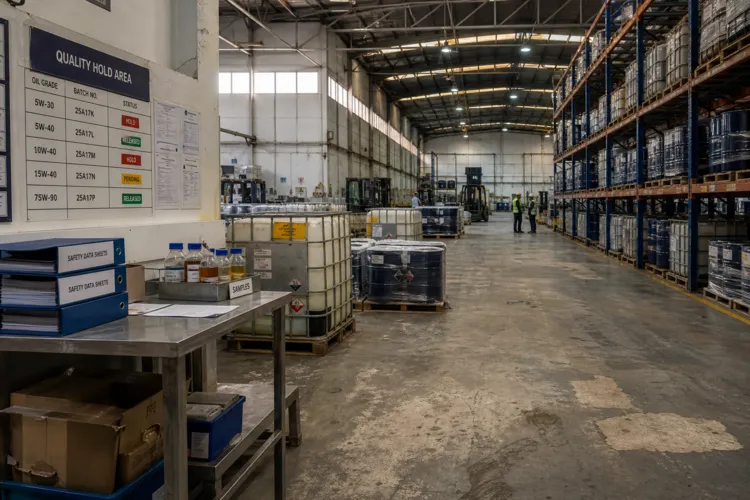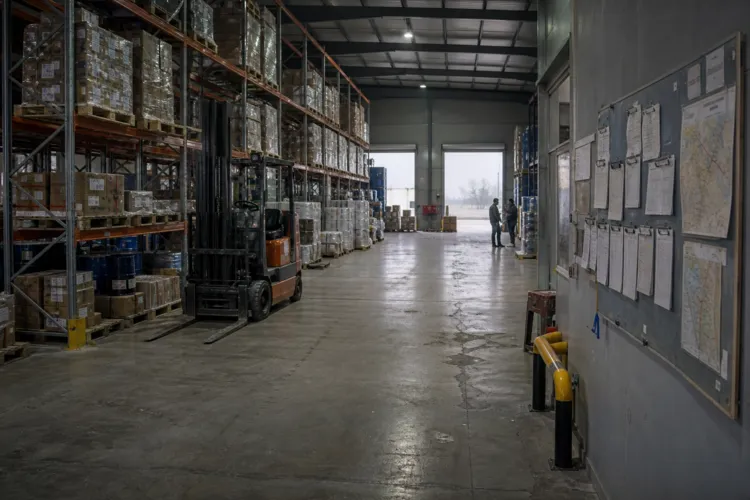
Saudi Arabia’s preparations for hosting the 2034 tournament are often discussed through stadiums and showcase projects. But the lubricant impact is broader and more routine. A large build-out in construction, transport, and hospitality pulls lubricants into daily operations, from engine oil changes to hydraulic fluids and industrial applications. This connects directly to the local market’s baseline growth, with the Saudi Arabia lubricants market expected to rise from 705.86 million liters in 2026 to 865.41 million liters by 2031, a 4.16% CAGR. Engine oil already dominates in-country demand, representing 63.72% of total volume in 2025, which makes fleet activity and maintenance patterns central to how incremental demand shows up.
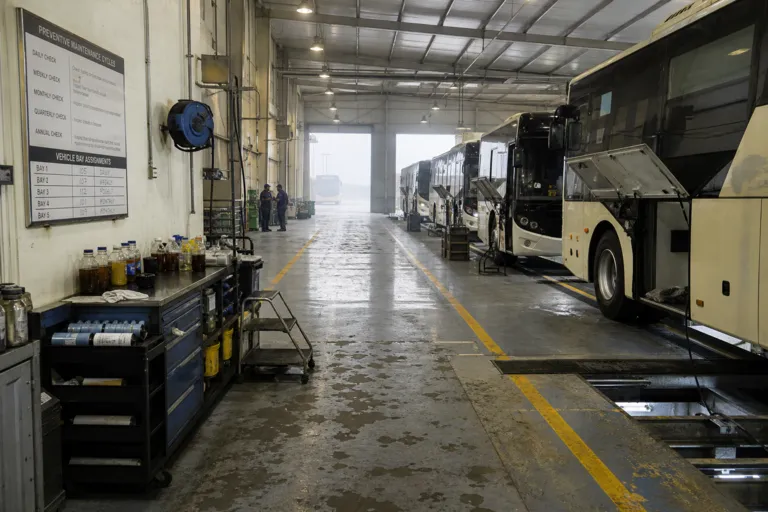
Transport intensity is a practical driver of lubricant volumes, especially when demand concentrates in high-mileage and high-utilization vehicles. By the end of 2024, Saudi Arabia had 15.88 million registered vehicles, up 7% year-on-year. Of those vehicles, 71% were private, and more than 1 million new vehicles were registered in 2024, a 17% increase compared with 2023. Projections also point to private vehicle ownership surpassing 17 million by 2030. Alongside private mobility, large fleet needs remain material. More than 30,000 buses are used for pilgrimage logistics alone, not including buses serving tourism and commercial hubs, reinforcing ongoing lubricant demand for engines and driveline components under sustained duty cycles.
Stadium Deadlines, Hotel Pipelines, and the Workload Behind Them
The World Cup delivery program also implies a long runway of construction equipment utilization and site logistics, which typically increases demand for heavy-duty and industrial lubricants. Assessments of the 2034 preparation effort estimate an operational workforce of approximately 150,000 people, spanning stadium operations staff, security personnel, transport workers, hospitality staff, medical personnel, volunteers, and FIFA operations teams. That operational scale sits beside a hospitality construction push that, according to the official bid book and follow-up industry reporting, targets more than 230,000 hotel rooms and serviced apartments across five host cities by 2034. Separate coverage has also cited over 180,000 new hotel rooms and serviced apartments tied to the broader giga-projects push, signaling that the estimates are evolving as projects firm up.
In parallel, Vision 2030-linked trends suggest additional lubricant pull from construction machinery, industrial systems, and power generation assets supporting new districts and visitor demand. The construction equipment market is projected to reach $1,699.5 million by 2032, supported by mega projects and infrastructure expansion. Power-generation lubricant applications are expected to grow at a 4.52% CAGR, driven by gas-fired projects and renewable energy investments. On the demand side of mobility, Saudi Arabia has stated an aim to attract 150 million tourists annually by 2030, which can raise utilization for rental cars, ride-hailing, and commercial fleets. This is the operating backdrop for “FIFA World Cup 2034 lubricants Saudi Arabia” conversations: the tournament accelerates asset delivery, while the day-to-day lubricant effect comes from years of higher equipment run-time and maintenance frequency.
Market dynamics inside Saudi Arabia also include major social and consumer shifts that can compound transport-related lubricant consumption. Eurogroup Consulting notes that, since the 2018 lift of the driving ban on women, the number of female drivers has surged, with nearly 4 million projected women car owners by 2030. Another signal of momentum is the automotive sector’s growth at 9% in 2025, described as triple the pace of previous years. Together, these local shifts add to the baseline created by rising vehicle registrations and large fleet usage. For suppliers planning toward 2034, the main takeaway is simple: stadiums may be the headline, but vehicles, buses, construction equipment, and power assets shape the sustained lubricant demand curve.
How does Saudi Arabia’s 2034 tournament build-out connect to lubricant demand?
What is the biggest lubricant volume segment in Saudi Arabia today?
What vehicle trends support higher lubricant consumption in Saudi Arabia?
How large is the hospitality build-out linked to hosting in 2034?
How big is the expected workforce footprint for 2034 operations?