
For buyers building premium synthetic blends, polyalphaolefin base stocks are about consistency and supply confidence, not just specifications. In the current climate, PAO 4, 6 and 8 sourcing needs to be planned alongside broader Middle East feedstock and shipping risk. ICIS describes disruptions that include the closure of the Strait of Hormuz, damage to assets from drone and missile strikes, and logistical constraints with rising freight and insurance costs. Those constraints can ripple into procurement decisions even when the core requirement is simply to secure PAO volumes for formulated products sold on performance and reliability.
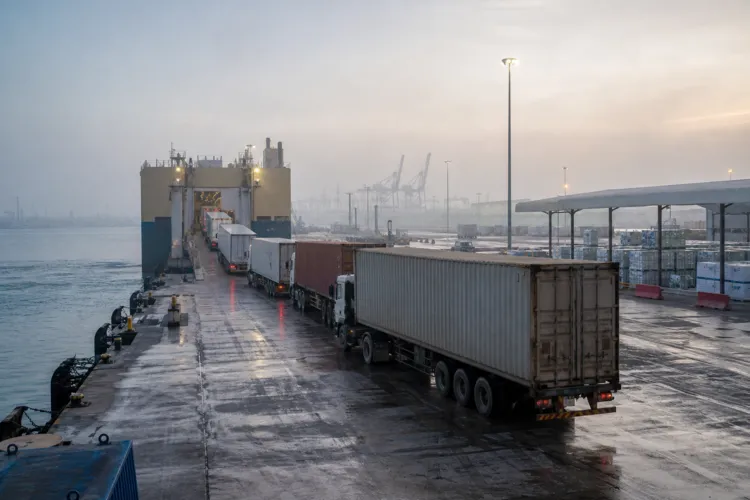
The naphtha and feedstock backdrop matters because the region is connected to global petrochemical and refining chains. ICIS reports that the 2026 Hormuz disruption has triggered one of the most significant petrochemical feedstock disruptions in decades, and that tanker movements have seen severe interruptions alongside insurance withdrawals and a dramatic fall in vessel transits. Major carriers have started rerouting via the Cape of Good Hope, with traffic through Hormuz dropping sharply and multiple commercial vessels damaged. These are not PAO-specific facts, but they directly shape lead times, freight exposure, and risk buffers for any synthetic base oil program tied to regional logistics.
What Tightness Signals Mean for Premium Blend Planning
Base oil market signals reinforce the need to plan ahead. ICIS notes that Europe’s 4cSt market is already tight due to limited imports from the Middle East so far this year, coupled with existing delays on vessels from Asia, and that the current situation is expected to worsen shortages. The same report highlights mounting concerns about freight rates and shipping insurance, with one source saying shipping insurance has “gone through the roof.” It also reports Group III prices moving up €10/tonne on the low end in a week, despite a lack of offers. For PAO synthetic base oil Middle East procurement, these signals support a conservative stance on timing, contingencies, and supplier optionality.
Demand-side exposure to Middle Eastern supply routes is visible in Asia’s dependence on naphtha. ICIS states that more than 50% of Asia’s naphtha feedstock comes from Middle Eastern suppliers, and Reuters reports Japan sourced 40% of its naphtha from the Middle East before the February 28 attacks. Reuters also says Japan’s government repeated that Japan has enough naphtha for the next four months, while it works to secure supplies outside the Middle East. When downstream manufacturers and governments are actively managing feedstock continuity, synthetic blend producers can treat PAO 4, 6 and 8 sourcing as part of a wider resilience plan rather than a spot purchase decision.
Operationally, the same disruption themes show up across chemicals. ICIS reports export flows being interrupted because of both the closure of the Strait of Hormuz and damage to regional plants caused by Iranian drones and missiles. It also describes pre-existing feedstock cost pressures for privately owned Saudi producers, plus logistical constraints and rising freight and insurance costs. Another ICIS update says global base oils face a lengthy recovery, with drone attacks, high diesel competition, expensive shipping, and uncertainty over feedstock availability continuing while the Strait of Hormuz remains a key pawn. For premium blends, this environment favors clearer allocation expectations and firm logistics planning around any PAO synthetic base oil Middle East route exposure.
Procurement teams should also recognize that the Middle East remains central to global petrochemical strategy. ICIS highlights a theme where state-backed commodity giants and companies integrated upstream into oil and gas will increasingly dominate commodity petrochemicals, with more capacity additions in the Middle East to take advantage of natural-gas feedstocks and liquid feedstocks. That strategic direction can support long-term supply relationships, but the near-term operating reality is still shaped by shipping constraints and security risks described in 2026 reporting. For PAO 4, 6 and 8 used in premium synthetic blends, sourcing decisions should therefore pair long-run partner strategy with near-term flexibility in shipping, timing, and inventory posture.
Why does PAO synthetic base oil Middle East sourcing feel riskier in 2026?
What did ICIS report about shipping and insurance conditions?
What base oil tightness indicators were reported in Europe?
How dependent is Asia on Middle Eastern naphtha, based on the sources?
What near-term buffer did Japan’s government cite for naphtha supply?