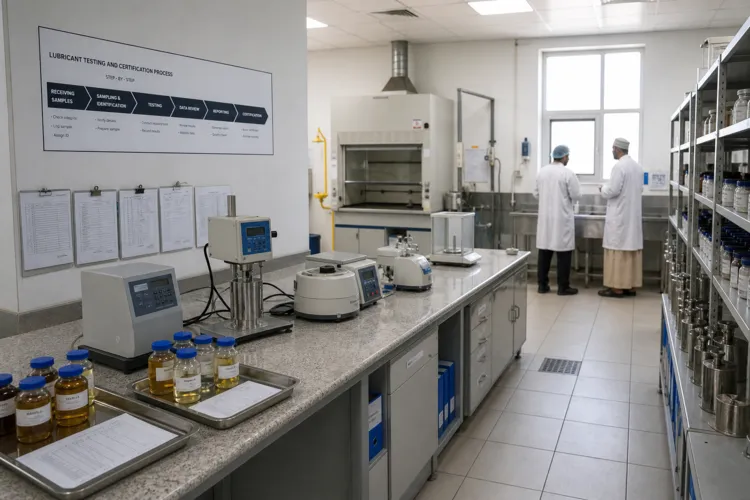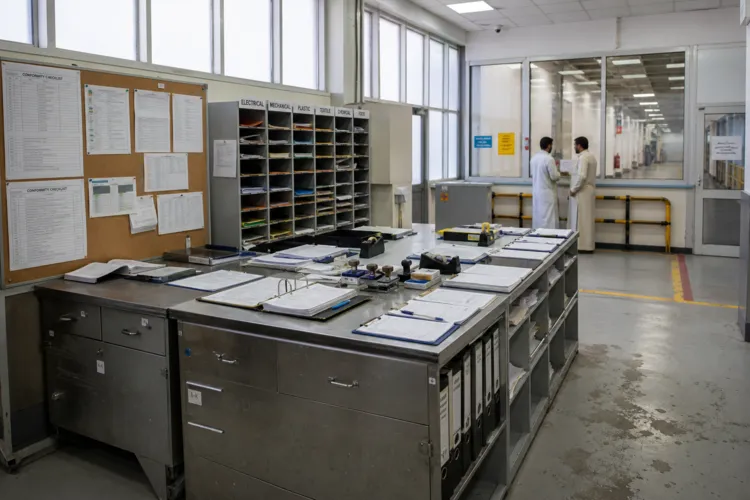

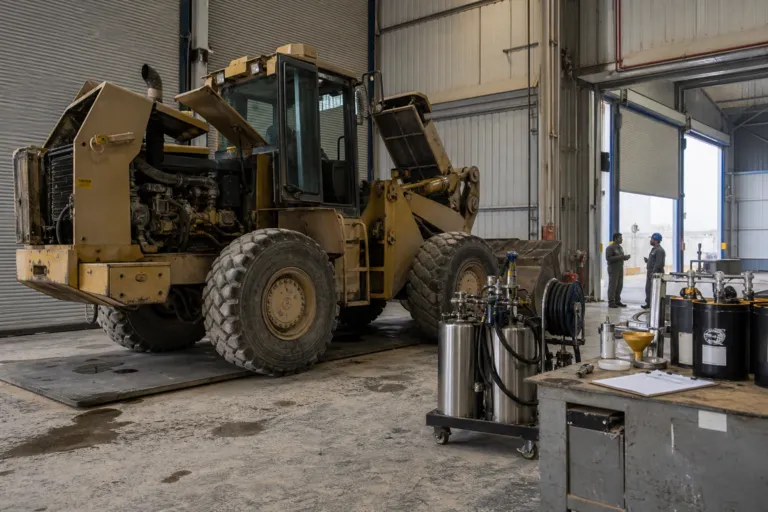
Synthetic esters are positioned as high-performance fluids made through chemical reactions between alcohols and acids, and they are widely described as offering superior thermal stability, biodegradability, and low-temperature fluidity. In Gulf operating conditions, those performance claims matter because MEA demand is tied to harsh environments and high temperatures. One MEA-focused report links growth in esters for synthetic and bio-based lubricants to rising industrial activity, rapid infrastructure development, and a shift toward higher-performance formulations in sectors including automotive, construction, mining, power generation, and oil and gas. It highlights drivers that are directly aligned with premium ester use: thermal stability, oxidation resistance, and longer drain intervals as the practical reasons buyers accept higher costs.
Regional market figures reinforce that this is more than a niche conversation. The Middle East and Africa esters for synthetic and bio-based lubricants market is stated at US$ 1,456.9 million in 2024, with a forecast of US$ 1,949.3 million by 2031, at a CAGR of 4.3% from 2025 to 2031. The same source also lists an addressable market of US$ 12,111.65 million, which frames the broader commercial runway for ester suppliers and formulators. At the global level, one report puts the synthetic ester lubricants market at USD 2.0 billion in 2025 and projects USD 3.0 billion by 2035 at a 4.0% CAGR, offering a performance-driven backdrop rather than a Gulf-specific total.
Where the Premium Shows Up in MEA Formulations
Construction is a clear example of where esters can justify premium pricing under Gulf stressors. A Middle East and Africa construction-specific report sizes the synthetic ester lubricants market at US$ 7.2 million in 2024, forecasting US$ 9.9 million by 2031 with a 4.9% CAGR from 2025 to 2031, and it cites an addressable market of US$ 61.31 million. It explicitly describes the operating environment as extreme heat, frequent sandstorms, and high humidity, which increases stress on equipment and makes thermal stability and oxidative resistance more valuable. It also points to GCC demand being supported by megaprojects and national development programs, naming Saudi Arabia and the UAE and referencing Vision 2030 initiatives.
For formulators, paying more for ester base stocks is often linked to what the finished lubricant can do in extreme heat and pressure. One global overview states that ester-based lubricants outperform conventional mineral oils in extreme heat and pressure conditions, reduce equipment wear, extend fluid change intervals, and lower maintenance costs. Another MEA narrative adds that mineral oils still dominate because of cost sensitivities, but the premium segment is expected to grow faster as fleets modernize and quality standards tighten. This is the core “premium logic” in Gulf conditions: higher-cost base stocks are traded for performance headroom and operational continuity when equipment is pushed hard.
Globally, product and application mix also signals where esters earn their keep, and that context can inform synthetic ester base oils Middle East formulation choices without implying local shares. In a global synthetic ester lubricants report, polyol ester lubricants are stated to hold a 38.2% share in 2025, while cooling systems and thermal management lead with a 34.7% share. The same report cites approximately 38 million metric tons of global lubricant demand in 2024 and $63.9 billion in global lubricant market revenue in 2024, underscoring the size of the broader lubricant landscape in which premium esters compete. Separately, another global source estimates MEA holds about 5% of global synthetic ester lubricant share, and ties regional growth primarily to oil and gas as a major consumer of high-performance lubricants, with infrastructure and manufacturing investment as additional demand supports.
Why do formulators in the Gulf consider synthetic esters worth the premium?
What is the Middle East and Africa market size for esters used in synthetic and bio-based lubricants?
How big is the MEA synthetic ester lubricants market for construction applications?
Which synthetic ester type leads globally, according to the sources?
How do synthetic ester base oils in the Middle East relate to global ester trends?