
In the Group II base oil GCC market, formulation decisions are being shaped less by aspirational upgrades and more by what can be sourced consistently. Middle East disruptions are tightening supply and lifting costs across base oils. ICIS notes that higher shipping costs are constraining trade flows as vessels face disrupted routes and longer voyage times. It also flags upward pressure on crude, with base oils typically adjusting with a two-month lag, and says higher energy costs are lifting production costs, especially in Europe and Asia. In that environment, blenders lean on grades that are easier to secure and substitute within their recipes.
Group III is the first place the market feels stress. ICIS reports that around 25% of global Group III capacity is currently constrained in the Middle East, and another ICIS update says the Strait of Hormuz “holds hostage” almost one-third of Group III base oils supply. Europe’s 4cSt market is already described as tight due to limited imports from the Middle East so far this year, plus existing delays on vessels from Asia, with the situation expected to worsen shortages. When Group III tightens, it creates knock-on pressure in Group II, but the immediate scarcity is often more acute in the higher-end Group III pool.
Resilience, Freight, and Diesel Economics Favor Group II
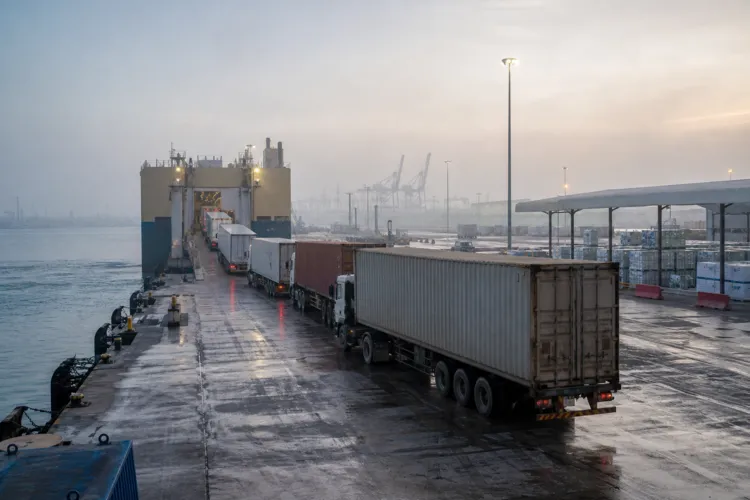
Freight is a practical reason Group II remains dominant even as Group III capacity grows. ICIS says disruptions in key maritime routes and longer voyage times are driving freight rates higher, raising landed costs for import-dependent markets and potentially reducing arbitrage flows. In Europe, market participants anticipate that avoiding the Suez Canal can add 10-16 days to journeys from Asia, with vessel delays expected. Those delays hit planning cycles and inventory buffers. When supply chains become less predictable, blenders tend to favor formulations that can tolerate broader sourcing options and quicker substitutions, which supports continued reliance on Group II barrels when premium grades are delayed.
Diesel economics amplify this effect. ICIS explains that gasoil competes with base oils in production, and when gasoil values peak there is typically a drop in base oils production to meet fuel demand. In Europe, gasoil values peaked at $1,024/tonne FOB ARA mid-week, and spot values for Group II showed subdued gains of €10-20/tonne. ICIS also says rising gasoil cracks improve fuel margins and incentivize refiners to prioritize distillate output over base oils, affecting all base oil groups. This creates a market where “availability” can matter more than “capacity,” keeping Group II central to day-to-day formulation execution.
Group II’s role is also reinforced when the market loses its usual substitution pathways. Jalopnik, citing ILMA, said the conflict dynamics are placing nearly three-quarters of US Group III imports under stress, while also eliminating the industry’s ability to substitute with Group II base oils. It also described a “final backup” where Group II crude could be used to make base oils, but that option has been utilized for diesel production due to shortages. While that reporting is US-focused, it illustrates a global formulation reality: when disruptions hit, the same barrels get pulled by fuels, freight constraints, and base oil demand at once. In the GCC, that pressure keeps Group II in the spotlight because it remains a core building block that blenders know how to work with under stress.
Why does Group II still matter in the Group II base oil GCC market?
What is tightening Group III supply the most right now?
How do shipping disruptions affect base oil sourcing?
Why does diesel pricing change base oil availability?