
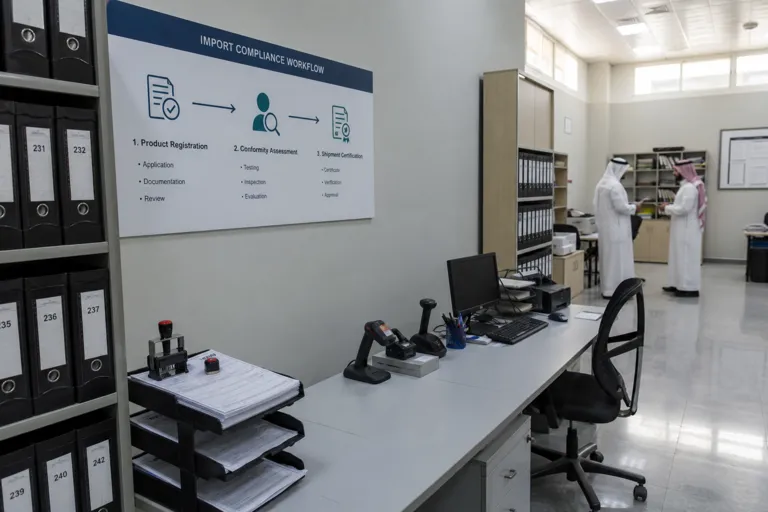
In 2026, lubricant shipments headed to Saudi Arabia sit inside a compliance workflow that is easy to misunderstand if you mix up SASO and SABER. SASO is the Saudi Standards, Metrology, and Quality Organization, and it acts as the regulatory authority that sets technical regulations and oversees the framework for products placed on the Saudi market. SABER is different. It is the online platform used to register products and apply for the conformity documents SASO requires, and it operates under SALEEM, the Saudi Product Safety Program. For lubricant importers, treating SABER as the “how” and SASO as the “what” helps you plan documents, timing, and responsibilities with fewer surprises at customs.
SABER is also described as an online verification tool that connects importers, SASO-approved certification bodies, and Saudi customs and related trade authorities in one online system. Saudi Arabia’s purpose for initiating this program is to accelerate the clearance of upcoming shipments, reduce counterfeit consumer products, track products more easily, and raise the number of SASO-standard-conforming products in the market. A key detail for exporters is that SABER is not a certification body. The “SABER certificate” commonly refers to conformity certificates issued through the platform and reviewed and approved by SASO-recognized conformity assessment bodies, while SABER functions as the official application channel and digital gateway.
A Practical 2026 Workflow: From Product Entry to Customs
For regulated products, the importer initiates the request by registering the product in SABER, entering product details, selecting the product’s classification, assigning a SASO-approved certification body for conformity assessment, and then awaiting an approval certificate. If the product receives its approval certificate, the importer is then issued a shipment certificate. That shipment certificate must be sent to Saudi customs before the product can enter the market. For unregulated products, the importer can self-declare that the product meets a voluntary standard by entering product details into SABER, attaching technical files and documents, and being issued a Requester Declaration (S-DoC). The importer can then receive a shipment certificate and proceed to customs.
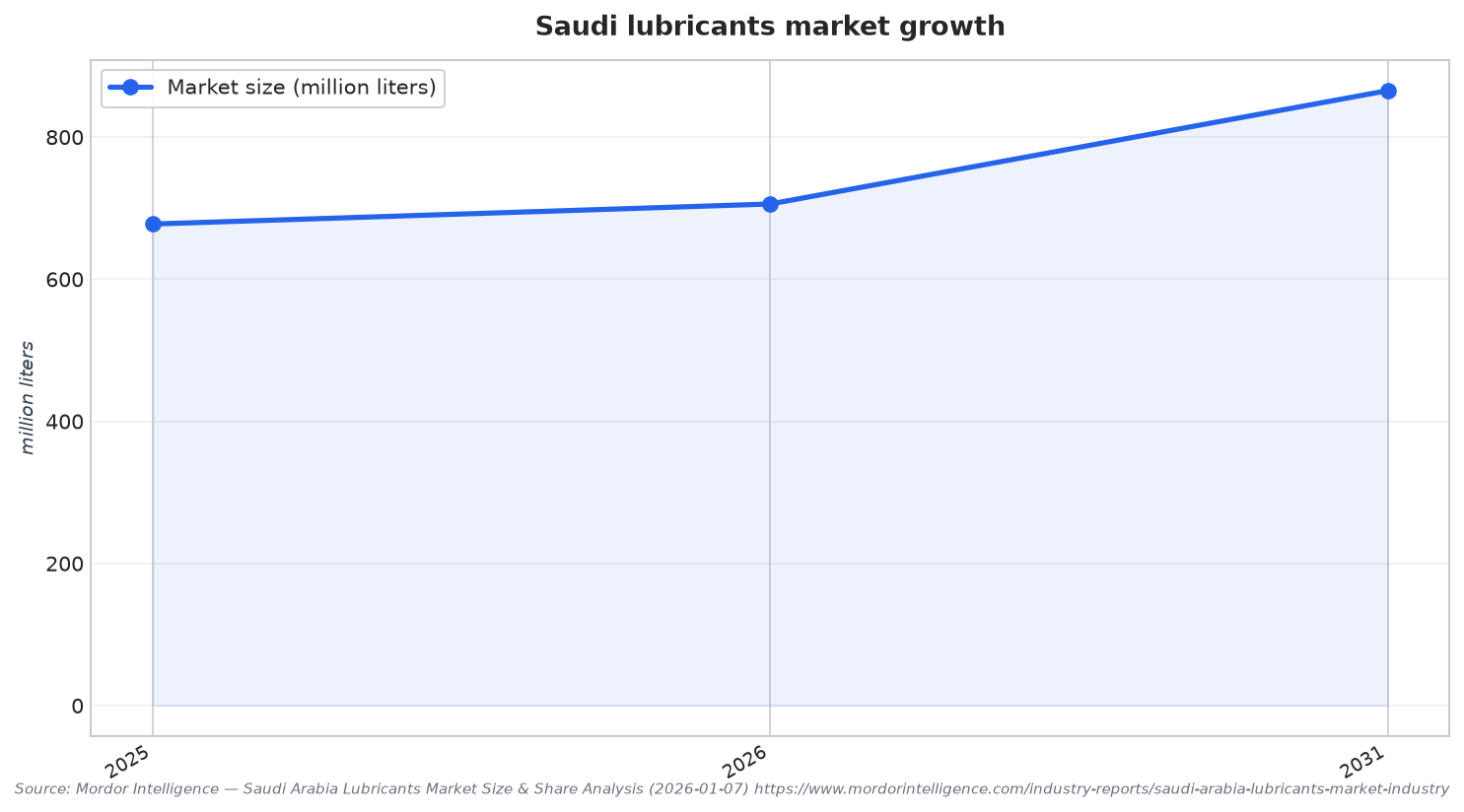
For lubricants, the business case for getting the process right is tied to the size and direction of local demand. Mordor Intelligence values the Saudi Arabia lubricants market at 677.67 million liters in 2025 and estimates 705.86 million liters in 2026, reaching 865.41 million liters by 2031 at a 4.16% CAGR for 2026–2031. Automotive applications captured 58.64% of the Saudi Arabia lubricants market in 2025. Separately, Saudi Arabia’s automotive lubricants market is valued at 402.79 million liters in 2025 and is estimated at 420.56 million liters in 2026, reaching 521.83 million liters by 2031 at a 4.41% CAGR. These figures highlight why importers often prioritize smoother clearance and fewer shipment disruptions as part of their 2026 planning.
To keep your compliance story coherent, anchor it to the roles each institution and system plays. SASO sets standards, nominates conformity assessment bodies, and manages the system that governs products entering Saudi Arabia. SABER is where you register your company and products, upload product information, test reports, and technical files, and create the electronic certificates used for customs clearance. This is where the topic of SABER Saudi Product Safety Program lubricants becomes practical: shipments move more smoothly when the importer treats SABER as the required channel, understands that certificates are reviewed by SASO-recognized bodies, and prepares the documentation flow early enough to match shipment timing and customs steps.
What is the difference between SASO and SABER for shipments to Saudi Arabia?
Does SABER itself issue certificates?
What certificates are needed before a regulated product can clear Saudi customs?
How does the SABER Saudi Product Safety Program lubricants workflow affect 2026 lubricant shipments?
What do recent market figures suggest about lubricant demand in Saudi Arabia?