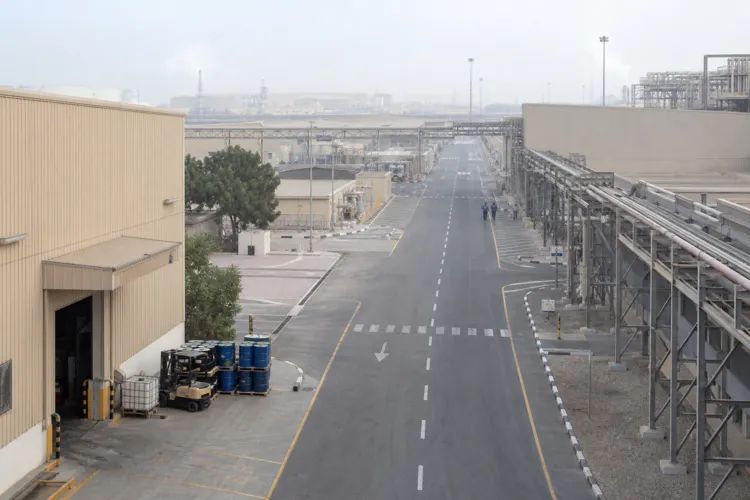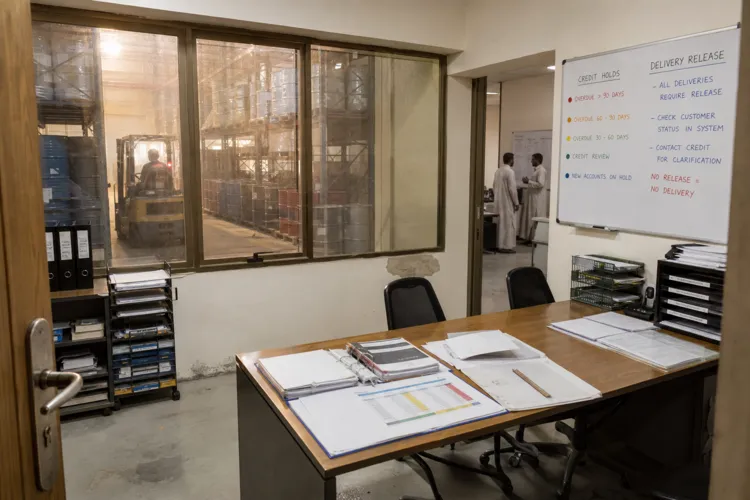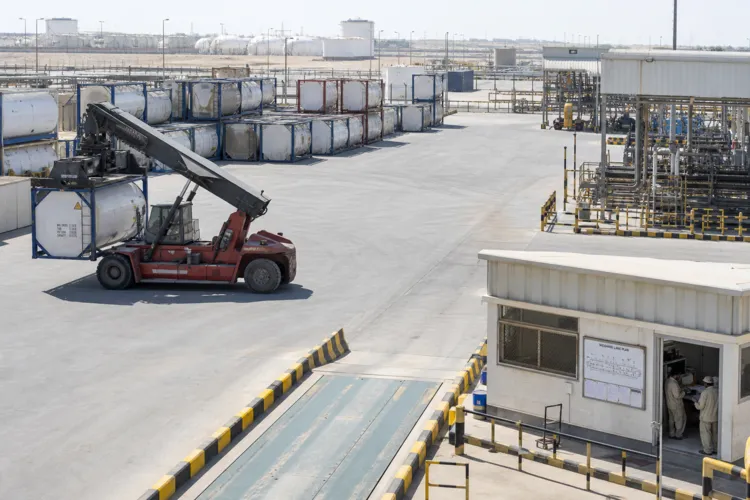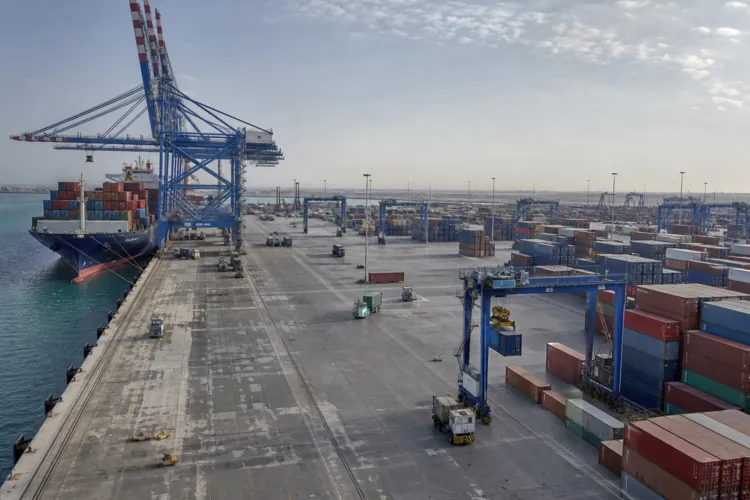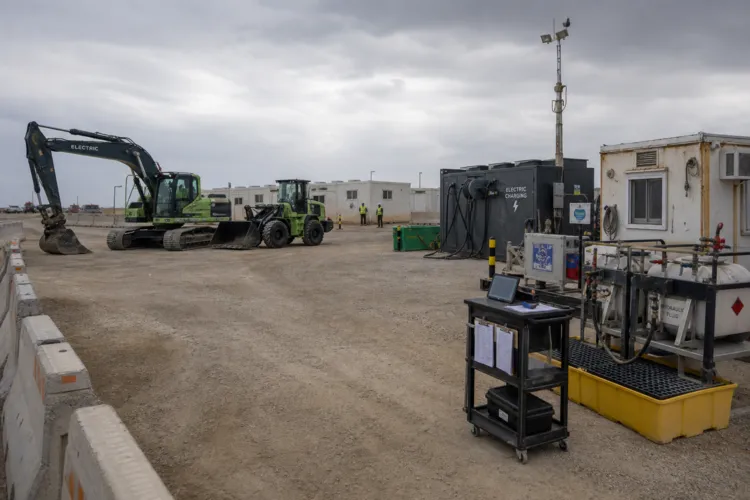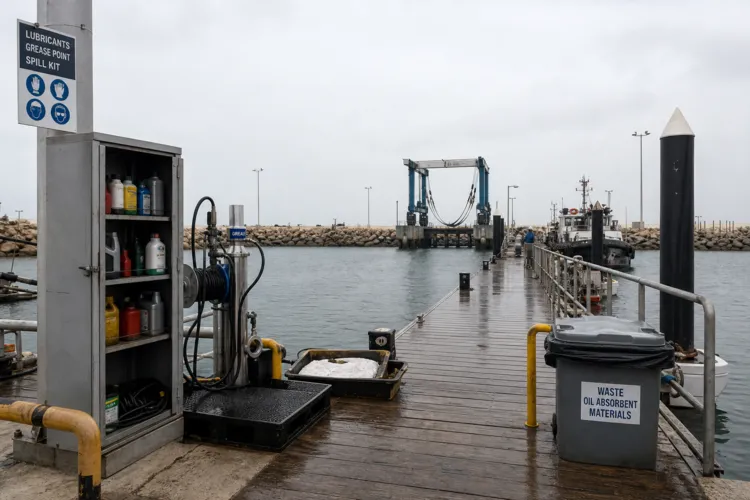

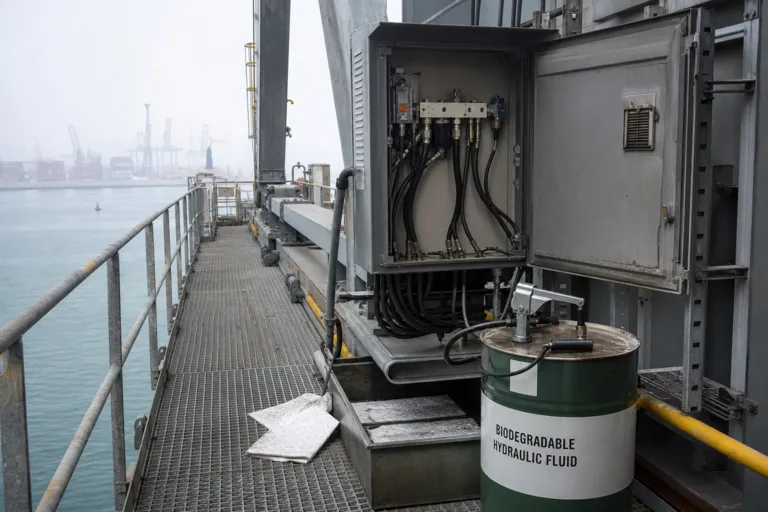
Coastal, port, and marine-sensitive sites in the GCC often run hydraulic equipment close to water. That reality raises the stakes for fluid selection, spill risk planning, and disposal pathways. Across the wider industry, suppliers are responding to environmental regulation and OEM requirements by developing environmentally acceptable and higher-performance hydraulic fluids. Grand View Research describes a global hydraulic fluids market that was $9.3 billion in 2025 and is projected to grow from $9.8 billion in 2026 to $14.5 billion by 2033, at a CAGR of 5.7%, with companies increasingly developing environmentally acceptable options. The Business Research Company also forecasts the global hydraulic fluid market reaching $11.68 billion by 2030 at a CAGR of 5.1%, and notes active product development in “advanced environmentally compliant” hydraulic fluid solutions suited to marine and construction use cases.
For GCC operators searching specifically for an environmentally acceptable hydraulic fluid GCC procurement pathway, the most transferable lessons in the sources come from marine and offshore use cases. IndexBox notes that regulatory pressure to replace mineral-oil hydraulic fluids in environmentally sensitive locations is broadening beyond forestry and marine into manufacturing plants near waterways, wetlands, or emissions-control zones. It also states that the segment favors synthetic ester-based fluids because their water separability and resistance to hydrolysis are critical in marine environments. At ports, this connects fluid choice to practical operations, including fluid recycling and disposal services that IndexBox flags as a growing trend “at ports” to support circular economy initiatives. The same source highlights increased use of biodegradable fluids in remotely operated vehicles (ROVs) and subsea hydraulic systems, reinforcing that the harsh, wet operating envelope is already a key driver of product selection.
Saudi Offshore Wind Signals: Volumes, Applications, and Pricing
Saudi Arabia’s early offshore wind timeline is one of the few GCC-adjacent datasets in the sources that attaches numbers to “environmentally safe hydraulic fluids” in a marine setting. IndexBox says the offshore wind market in Saudi Arabia is in its early commercial phase, with the first utility-scale projects expected to reach financial close by 2027–2028. Within that context, the Saudi market for environmentally safe hydraulic fluids for offshore wind is estimated at $2.5–4.5 million in 2026, corresponding to 150–250 metric tons of fluid volume, reflecting pre-commercial activity such as factory fill and commissioning fluids. By 2030, as the first 4–6 GW of offshore wind capacity becomes operational, IndexBox projects the market reaching $12–20 million annually. Application splits are also quantified: pitch control system hydraulics are estimated at 50–60% of fluid demand, yaw drive hydraulics 20–25%, and offshore crane and jacking system hydraulics 10–15%, with each turbine requiring 200–400 liters for blade pitch adjustment.
Pricing and supplier landscape details in the Saudi offshore wind source can help GCC port buyers benchmark budgets even when their equipment is different. IndexBox reports bulk pricing for premium synthetic ester fluids at $8–14 per liter, with polyalphaolefin-based fluids at $6–10 per liter, water-glycol at $4–7 per liter, and vegetable oil-based fluids at $7–12 per liter. It also notes the competitive landscape is dominated by global specialty chemical formulators with established OEM qualifications, naming Shell, ExxonMobil, Castrol, and TotalEnergies. Domestic production is described as currently negligible for high-grade synthetic esters or polyalphaolefins in Saudi Arabia, and local blending operations are said to lack OEM certifications and the technical capability required for offshore wind turbine fluids. For GCC coastal and port sites, that implies procurement may rely on qualified imports and documentation discipline aligned to OEM and environmental discharge expectations.
Beyond biodegradability, some coastal and industrial operations also face fire-risk constraints that influence fluid selection. Market Research Future states the Middle East and Africa region holds about 5% of the global fire resistant hydraulic fluid market share, with growth driven by infrastructure and industrial projects, particularly in GCC countries. It also cites a Q3 2024 example in which Chevron launched a biodegradable fire-resistant hydraulic fluid for environmentally sensitive mining and energy operations, framed around compliance with new environmental standards. Separately, The Business Research Company notes a December 2023 partnership between Bosch Rexroth AG and TotalEnergies SE to develop water-based hydraulic fluids described as biodegradable, fire-resistant, environmentally friendly, and offering performance comparable to traditional mineral oil-based fluids. Together, these developments show how environmental acceptability, marine suitability, and safety-driven specifications can converge in GCC coastal procurement decisions.
What makes an environmentally acceptable hydraulic fluid approach relevant for GCC coastal and port sites?
What Saudi offshore wind figures can help benchmark demand for environmentally safe hydraulic fluids?
Which offshore wind hydraulic applications drive the most fluid demand in the Saudi dataset?
What price ranges are cited for synthetic ester and other environmentally oriented hydraulic fluid types?
How significant is the fire resistant hydraulic fluid market in the Middle East and Africa region?