
Air-quality compliance is becoming a board-level issue for lubricant blending plants, including operators planning for tighter VOC-focused requirements. Across the lubricants value chain, environmental regulation is already influencing product mix decisions. Mordor Intelligence notes that demand is shifting away from traditional mineral-oil grades toward higher-performance synthetics as environmental regulations tighten, and it flags “increasingly stringent VOC limits in North America” as part of the industry risk–reward landscape. In the GCC, MarkWide Research highlights tightening technical rules that filter market access, pointing to GSO technical regulations and UAE-specific ESMA specifications, along with SASO enforcement of API SP and ILSAC GF-6 standards. For blending plants, these trends converge into one message: prepare for more scrutiny on both what you make and how you operate.
The regulatory push is also shaping the tools plants will be expected to use. IndexBox projects the global VOC analyzers market to grow at an approximately 5.8% CAGR from 2026 to 2035, reaching a market index of 172 by 2035 (2025=100). The same source describes a shift toward cloud-connected, multi-variable instruments with predictive analytics, and estimates that this can raise average system value by about 15–25% per installed node in mature markets. It also states that entry-level price points for handheld detectors have fallen by roughly 30% over the past five years, broadening adoption among small and medium-sized enterprises. For GCC lubricant blenders, this is practical context: monitoring options are expanding, and monitoring expectations are tightening in several major industrial regions.
What “Prepare” Looks Like: Monitoring, Abatement, and Documentation
Preparing for tighter VOC and air-quality rules is not only an instrumentation project. It can become a plant-wide retrofit and procurement program. IndexBox forecasts the global VOC capture and scrubbing chemicals market to expand at an approximately 5.8% CAGR from 2026 to 2035, reaching a market index of 175 by 2035 (2025=100). The report links that outlook to “increasingly stringent environmental regulations” and a need to “upgrade or install new abatement systems,” which boosts demand for scrubbing media, adsorbents, oxidizing agents, and regenerative solvents. Even if GCC timelines vary, the global direction is clear: facilities that can quantify emissions and demonstrate control strategies will be better positioned when permit conditions and inspections become more demanding.
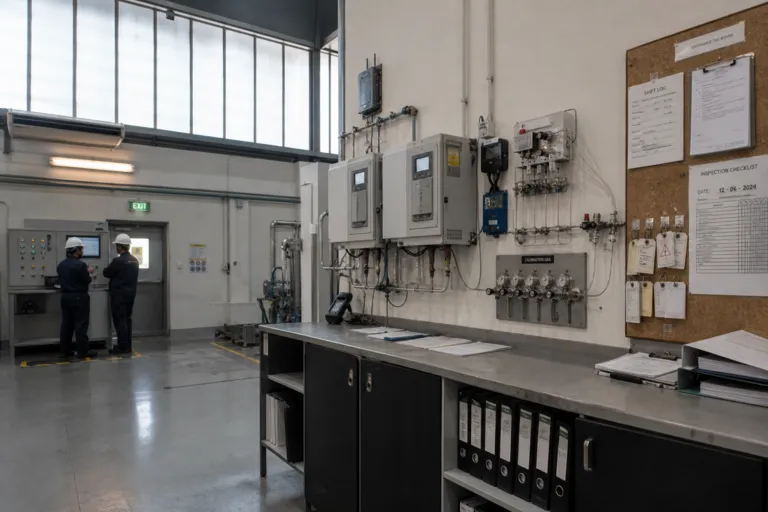
Operators should also plan for compliance to be evaluated through evidence, not intent. Future Market Insights describes how traceability is advancing, including blockchain-enabled tracking systems that improve batch verification, quality control, and compliance documentation across multi-location supply chains. FMI also links tightening environmental rules to accelerating development of biodegradable lubricants, while emphasizing operational control metrics such as plant utilization rate and OTIF delivery rate for automated plants with strict uptime targets. Separately, MarkWide Research notes that stakeholders must monitor evolving Gulf environmental frameworks, including how carbon intensity disclosures could reshape procurement criteria for state-linked fleet operators. In combination, these signals suggest that future audits may look at monitoring data, batch records, supplier documentation, and internal control discipline as an integrated story.
Finally, align air-quality readiness with the market shift already underway in the region. MarkWide Research describes synthetics consolidating share against mineral-based alternatives across GCC service bays, while SASO enforcement of API SP and ILSAC GF-6 standards accelerates equipment upgrades at independent workshops. Mordor Intelligence similarly frames a global pivot away from conventional mineral-oil lubricants toward synthetics and bio-based alternatives, citing pressures such as European REACH requirements and California VOC regulations. California’s latest consumer-products rulemaking, for example, aims to eliminate 21 tons per day of VOC emissions, impacting lubricant-rich products such as brake cleaners. For GCC blending plants, the lesson is not to copy foreign rules, but to treat them as a preview: as expectations tighten, the operators who integrate product strategy, VOC monitoring, and documentation will adapt faster under emerging VOC air quality rules for lubricant blending across the GCC.
What signals that VOC and air-quality compliance pressure is rising for lubricant operators?
What do global forecasts suggest about VOC analyzer demand?
How fast is the VOC capture and scrubbing chemicals market expected to grow?
What should GCC blending plants document to prepare for tighter VOC air-quality rules for lubricant blending?
Which GCC-related standards and enforcement trends should operators track alongside air-quality requirements?