
ADNOC base oils Ruwais sits in a regional export story that has turned more volatile. ICIS described Middle East supply constraints as a factor that “tightens the Group III market” and creates knock-on pressure in Group II. ICIS also stated that around 25% of global Group III capacity is currently constrained in the Middle East. That matters for premium lubricant supply chains because Group III is a key export grade, and reduced export availability can quickly change trade flows and buyer behavior in import-dependent markets.
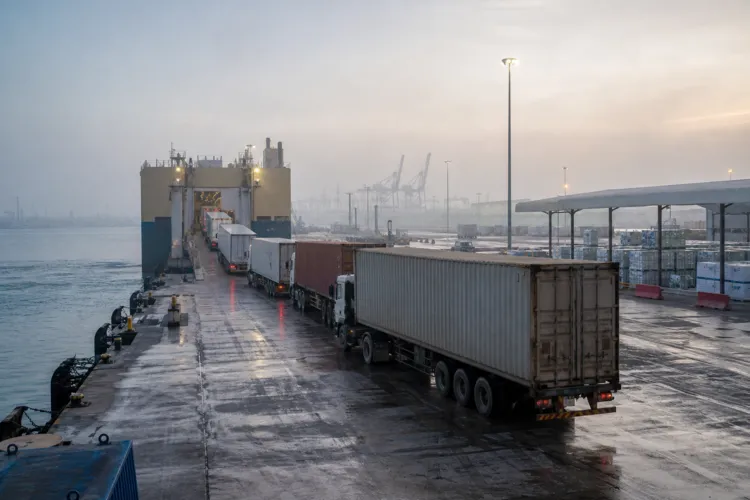
Shipping is a core part of the reshape. ICIS highlighted that disruptions in key maritime routes and longer voyage times are driving freight rates higher, lifting landed costs and potentially reducing arbitrage flows. In Europe, ICIS reported concerns that vessels will look to avoid the Suez Canal, which can add anywhere between 10-16 days on a journey from Asia. ICIS also noted the 4cSt market was already tight due to limited imports from the Middle East so far this year, plus existing delays on vessels from Asia, and that the situation was expected to worsen shortages.
Why Group III+ Exports Feel the Shock First
Geopolitics is amplifying the premium-grade sensitivity to logistics and insurance. ICIS wrote that the Strait of Hormuz holds hostage almost one-quarter of global crude supply and almost one-third of Group III base oils supply. It also reported that threats and attacks from Iran made insurance costs unattainable, while some insurers refused to offer insurance 12 nautical miles either side of the strait. When insurance and routing are disrupted, premium exports face not just higher costs, but also harder planning, fewer prompt offers, and more cautious buying.
Diesel economics add another layer that can reshape availability. ICIS stated that gasoil strength can divert refinery economics away from base oils and that rising gasoil cracks improve fuel margins, incentivizing refiners to prioritize distillate output over base oils. ICIS also reported that gasoil values peaked at $1,024/tonne FOB ARA mid-week and were the closest they have been to Group III 4cSt values since 2022. ICIS noted that when gasoil values peak, there is typically a drop in base oils production to cover rising demand for fuels.
In Europe, the market response included tighter offer behavior and early price movement. ICIS reported that Group II and III players pulled offers as they braced for tightness from Middle East disruptions. It also reported subdued gains on Group II, with spot values up €10-20/tonne, and warned that if there is no new supply coming out of the Middle East, “everything is unpredictable,” according to a distributor. ICIS further pointed to upward pressure coming from shipping and feedstock price jumps, reinforcing the export premium placed on reliable supply.
Operational disruptions can also hit confidence around key hubs. Reuters reported via MarineLink that ADNOC shut its Ruwais refinery after a fire broke out at a facility within the complex following a drone strike. ICIS later summarized that global base oils faced a bullish reaction after the Middle East war, with drone attacks, high diesel competition, expensive shipping, and uncertainty over feedstock availability. Against that backdrop, ADNOC base oils Ruwais and ADbase Group III+ exports are being judged not only on product quality, but on the ability to deliver amid higher freight, constrained routes, and heightened uncertainty.
What is driving uncertainty around ADNOC base oils Ruwais exports?
How much of global Group III capacity is constrained in the Middle East?
Why does the Strait of Hormuz matter for Group III supply?
How can shipping changes impact base oil trade flows?
How does diesel competition affect base oils availability?