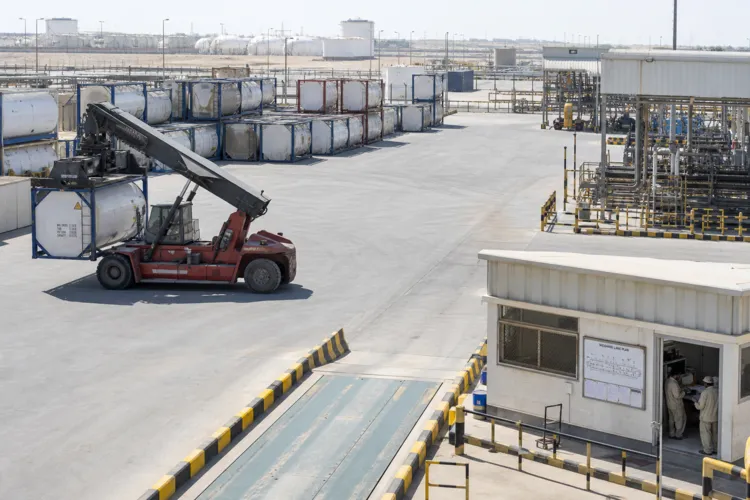

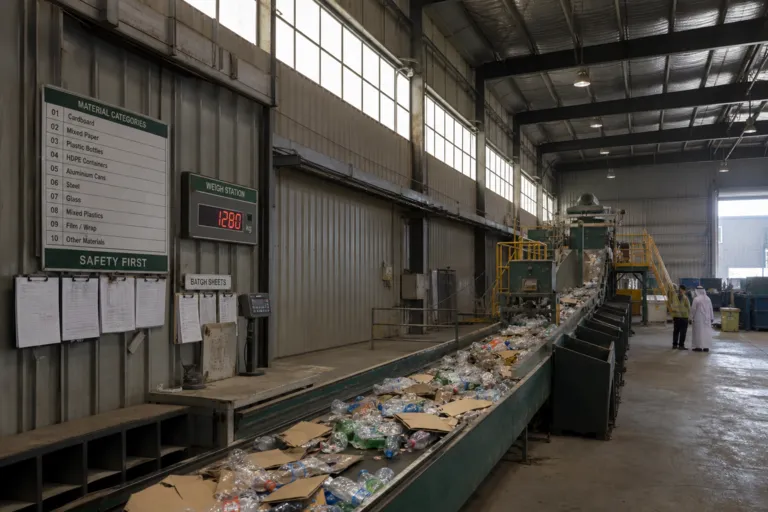
Extended Producer Responsibility (EPR) is changing how brands think about packaging. Across markets where EPR is active, the core idea is consistent: costs and obligations shift to the company that puts packaged products on the market, rather than municipalities paying to manage post-consumer packaging waste. Legal and compliance sources describe common requirements such as joining a Producer Responsibility Organization (PRO), reporting packaging data by material and weight, and paying fees that are linked to the packaging a brand uses. For lubricant brands, that framing matters because packaging is not just the bottle or pail. Guidance on EPR readiness stresses that primary, secondary, and transit packaging can fall under EPR expectations, which raises the operational burden beyond the pack customers see.
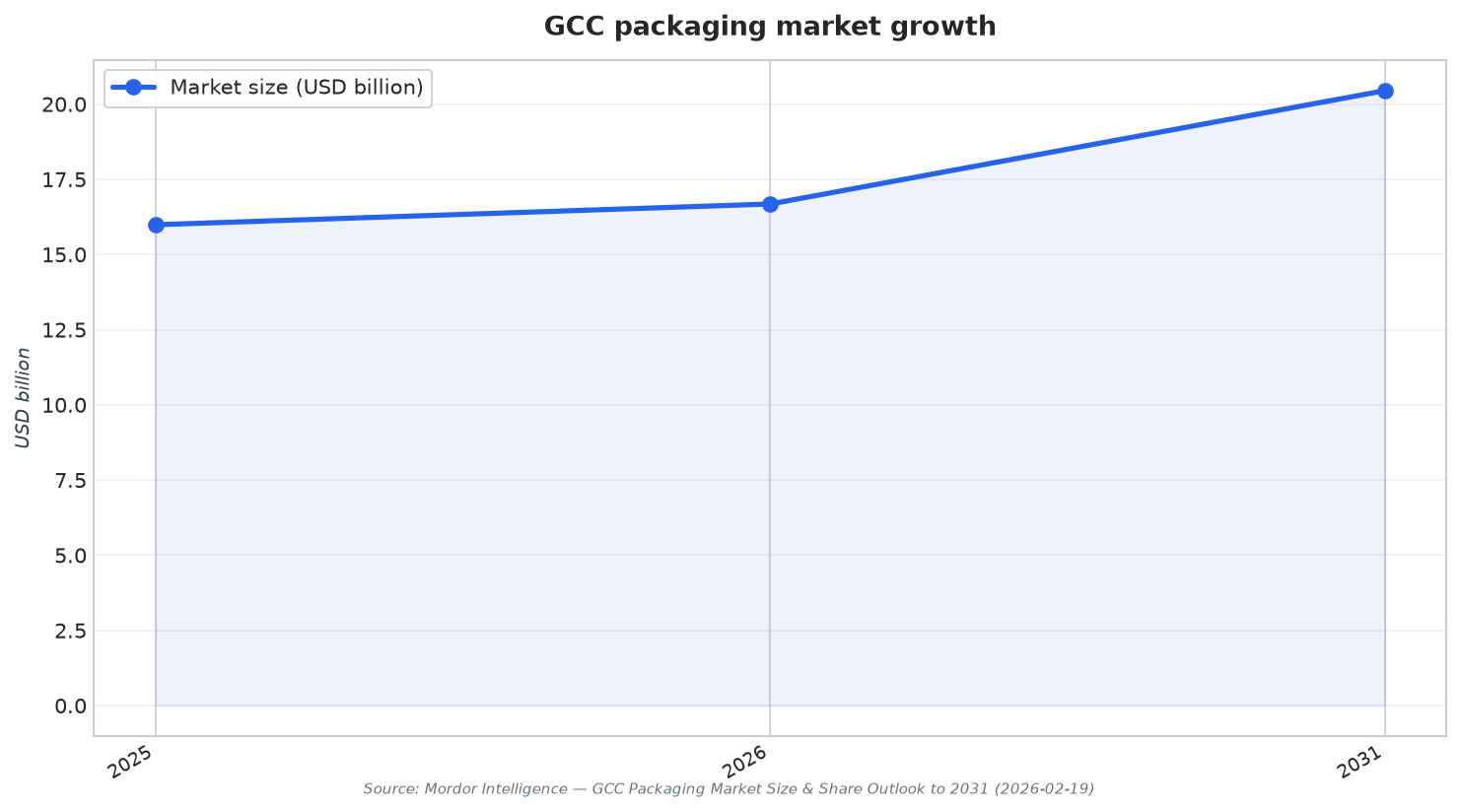
In the GCC, packaging is already a major industrial and consumer enabler, and market signals point to rising attention on recyclability and circularity. Mordor Intelligence forecasts the GCC packaging market to increase from USD 15.99 billion in 2025 to USD 16.68 billion in 2026, reaching USD 20.45 billion by 2031, with a 4.16% CAGR over 2026–2031. Plastics held 66.04% of GCC packaging market share in 2025, and rigid formats accounted for 48.19% that year. Saudi Arabia represented 54.37% of GCC packaging demand in 2025. The same source notes that adoption of EPR in the United Arab Emirates is nudging converters toward recycled-content capability, automation, and design-for-circularity. For lubricant brands that rely on plastic rigid packs, that mix of market scale, material dominance, and policy pull is the backdrop for packaging take-back style expectations.
What EPR Means in Practice: Fees, Data, and Definitions
Where EPR systems are operating, the most immediate impact on brand teams is administrative and financial. Legal analysis of packaging EPR describes requirements that often include PRO membership, paying fees to the PRO based on the amount of packaging used, and reporting packaging data by material and weight. Another U.S.-focused compliance update highlights how deadlines can become a single, practical forcing function: it notes that May 31, 2026 is the first common reporting deadline that the Circular Action Alliance (CAA) is using for collecting 2025 packaging data, which it will use to set fees for each state program. Although that date is specific to U.S. state programs, it shows how quickly reporting turns into fee-setting. Packaging industry commentary also warns that tension points include definitions of compliance, material categorization, fees, and incentives, even as harmonization begins to emerge in certain areas such as responsible end markets.
Operationally, lubricant brands should treat EPR as a packaging data project first, and a redesign project second. Packaging guidance aimed at EPR readiness says brands often have more access to data because they buy packaging directly and have its specifications, which can put them in a better position to handle reporting. But it also cautions that many companies are still far from perfect in how they track, record, and report packaging sustainability, and it would not be a surprise if submissions include proxy data and educated guesswork rather than fully accurate information. Separately, packaging EPR guidance aimed at 2026 emphasizes that active EPR programs are increasingly enforceable and can require registration with PROs, packaging data reporting, and fees based on the type, weight, and recyclability of packaging. For the extended producer responsibility lubricant packaging GCC conversation, that means aligning pack specs, bills of materials, and shipping configurations early, so reporting is not built on assumptions.
Finally, lubricant brands should anticipate that compliance will not be limited to “big brands only.” One EPR packaging guide notes that brand size does not automatically determine exemption, because thresholds vary and small and mid-sized brands can still be affected, especially if they sell across multiple jurisdictions. For GCC-focused teams, that is a useful lens as regional rules mature: cross-border sales models and multi-country distribution can complicate packaging obligations. The practical move is to standardize how packaging is categorized, weighed, and described, then connect that dataset to procurement and packaging design decisions. In markets discussing fee modulation, incentives can be designed to favor packaging that is recyclable, reusable, or includes post-consumer content, reinforcing why material choices and pack format simplification become financial levers, not just sustainability goals.
What is Extended Producer Responsibility for packaging, in simple terms?
Which packaging types can be included under EPR expectations?
What GCC figures show why packaging policy changes matter for brands?
How does the extended producer responsibility topic affect lubricant packaging in the GCC?
What is an example of how EPR reporting can drive fee-setting?