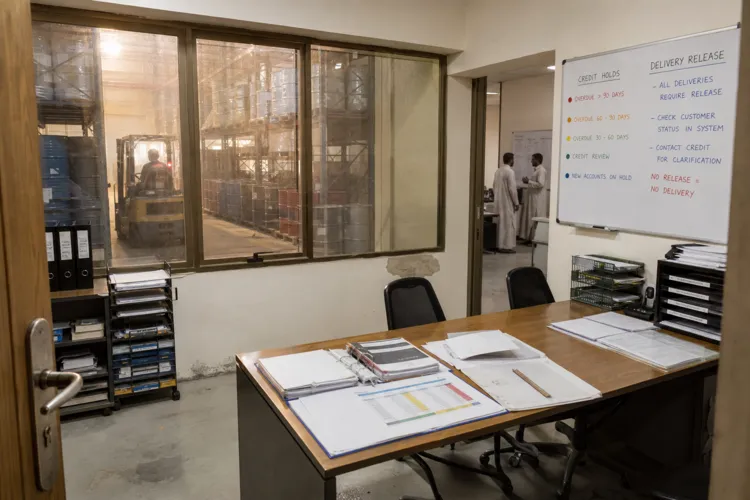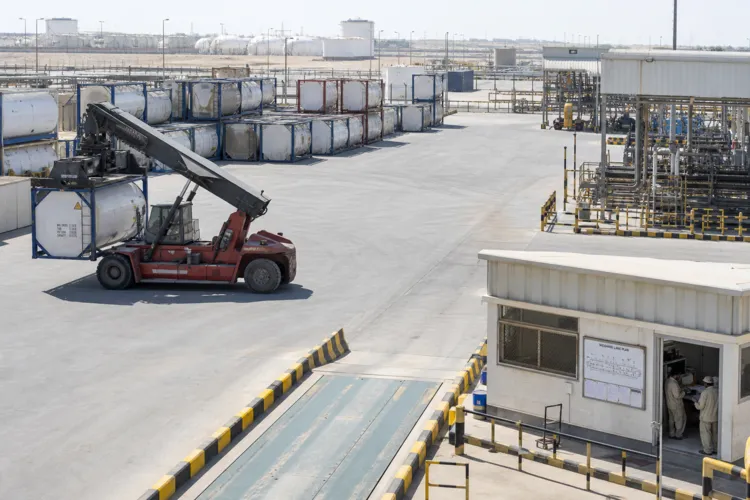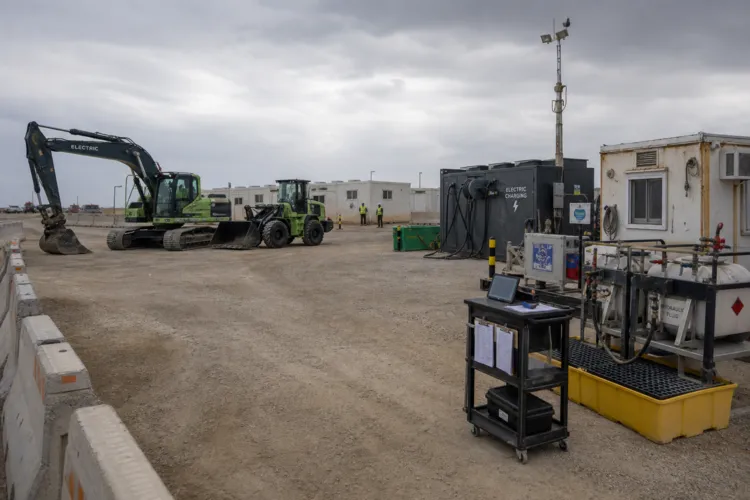

Reconstruction prospects for the Sudan lubricants market depend on whether industrial and transport activity can be supplied consistently, not just on headline demand. Within Sudan’s energy system, industrial nodes such as Jabalain and Kosti host cement manufacturers that negotiate direct refinery supply contracts, while sugar processing complexes and irrigation infrastructure create seasonal fuel demand patterns in an agricultural heartland. These same user clusters often depend on reliable maintenance inputs, where lubricants become a practical bottleneck when purchasing cycles and logistics are disrupted. MarkWide Research also notes that central bank foreign exchange controls can delay equipment imports for distributed power generation assets, which matters because delayed equipment and spares can stall commissioning, maintenance routines, and lubricant stocking plans.
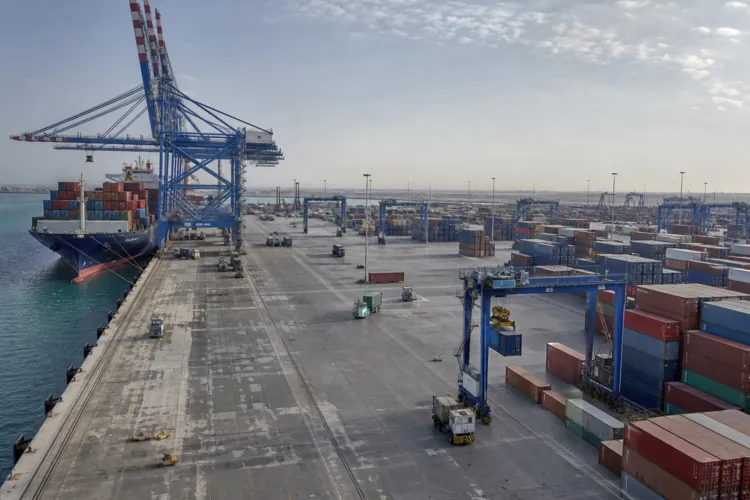
Coastal logistics and internal transport realities also set the boundaries for lubricant availability and lead times. The Port Sudan terminal infrastructure and coastal refining prospects are positioned for export-oriented hydrocarbon development, and the Suakin and Port Sudan harbor zones concentrate maritime logistics capacity for regional product trade. Inland, industrial users near the Sennar Dam vicinity rely on fuel oil shipments via White Nile river transport. These corridors do not only move fuels; they shape how packaged lubricants, base oils, and additives can be imported, warehoused, and redistributed. In that sense, reconstruction is as much a supply-chain design task as it is a consumption story.
Cross-Border Flows and Why They Matter for Lubricants
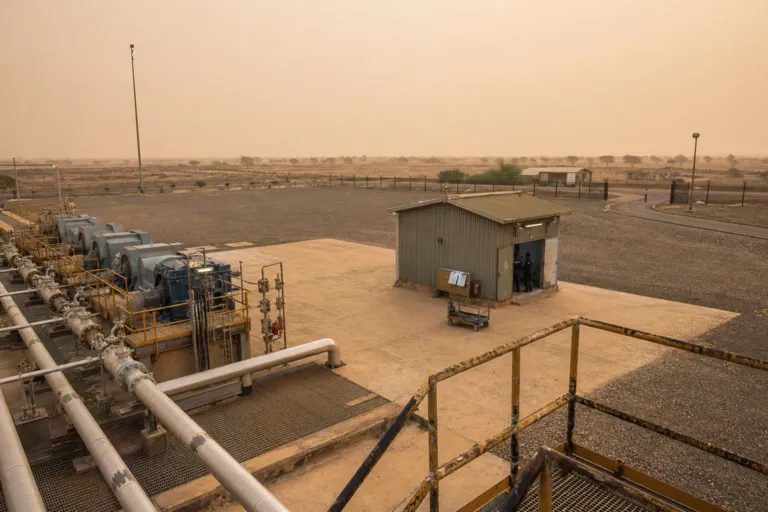
Sudan’s cross-border role is visible in the way South Sudan’s exports rely on transit. Mordor Intelligence reports that the reopening of Sudan’s pipeline in 2025 ended an eight-month pause that had stripped South Sudan of roughly USD 100 million in monthly receipts. The same source describes wax-management upgrades at six pumping stations that now enable continuous Dar Blend flow, which typically accounts for three-quarters of South Sudan’s national exports. For lubricant buyers and distributors in Sudan, these facts function as a proxy for midstream operability and corridor security: when cross-border flows stabilize, supporting services, maintenance activity, and associated consumables can plan with fewer sudden stoppages, even if the lubricant demand itself sits in different end-use segments.
Supply-chain risk remains structural and is not limited to one country. On the global side, Mordor Intelligence projects the lubricant market will reach 39.86 billion liters by 2026 and 44.33 billion liters by 2031, at a 2.15% CAGR, while highlighting supply-chain risk for high-viscosity synthetic esters. Those risks can surface locally through longer lead times or tighter availability for certain formulations. Regionally, the Middle East and Africa industrial lubricants market was valued at USD 4.52 billion in 2025, estimated at USD 4.77 billion in 2026, and projected to reach USD 7.28 billion by 2034 at a 5.43% CAGR. That regional competition for volumes can matter when Sudan-based buyers are trying to secure consistent supply into Port Sudan and onward to industrial centers.
Procurement resilience also depends on how operators and large buyers manage concentration risk and contracting. In South Sudan’s upstream market, MarkWide Research notes that operators disaggregate services such as directional drilling, logging-while-drilling, and completions to mitigate single-supplier concentration risk. While that example is upstream-focused and not a direct description of Sudan’s lubricants channels, it offers a relevant reconstruction lesson: diversified sourcing and modular contracting can reduce failure points. In Sudan, where peripheral basin exploration targets and security infrastructure requirements elevate capital costs for frontier development, and where foreign exchange controls can delay imports, lubricant supply strategies benefit from redundancy across suppliers, routes, and product specifications.
What is shaping reconstruction demand in the Sudan lubricants market?
How does cross-border oil transit through Sudan connect to lubricant supply risk?
What regional market figures provide context for lubricant supply competition?
What global lubricant-market risks are relevant to procurement planning?
What practical sourcing approach can reduce supply-chain concentration risk?