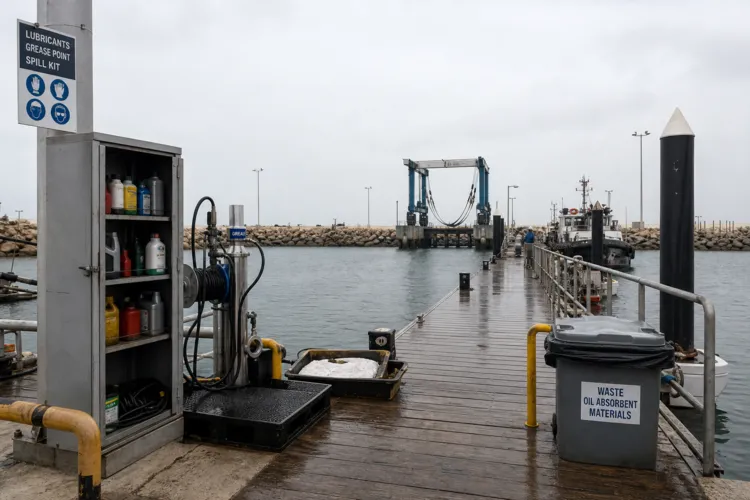

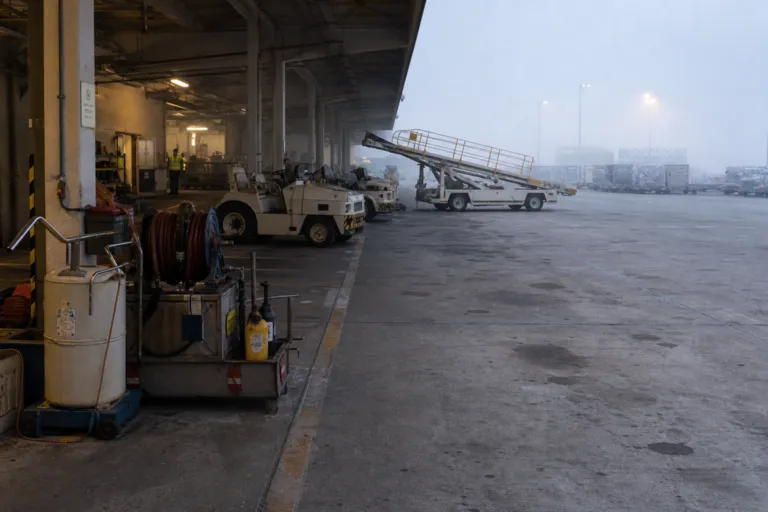
Ground operations sit at the center of airport growth. When a hub adds capacity, it also adds ramp equipment, maintenance workload, and recurring fluid replacement. That is the operating backdrop for ground support equipment lubricants in Gulf airports, especially as Dubai, Doha, and Saudi Arabia position around new builds, upgrades, and MRO expansion. In the UAE, MarketsandMarkets values the ground support equipment market at USD 78.8 million in 2024 and projects it to reach USD 130.3 million by 2029, a 10.6% CAGR and a 65.3% increase from 2024 levels. The same source links demand to modernization, higher aviation activity, expanded MRO capabilities, and ongoing airport projects such as Al Maktoum International Airport development and terminal upgrades.
New procurement and higher utilization both matter for lubrication. IndexBox notes that commercial airports are the largest global end-use segment for GSE demand at approximately 45%, driven by the need to handle growing passenger volumes and aircraft movements efficiently. The same IndexBox outlook also frames Middle East & Africa as holding 5% of the global GSE market, with demand concentrated in Gulf hub airports including Dubai and Doha, plus Abu Dhabi and military bases. For Dubai specifically, a separate GSE market analysis cites Al Maktoum International Airport Phase 2 carrying an AED 128 billion investment, with a target of 150 million passengers annually. Each added tug, tractor, loader, or boarding system increases the number of moving assemblies and service intervals that depend on consistent lubrication discipline on the ramp.
Why GSE Mix, Electrification, and Rentals Change Lubricant Planning
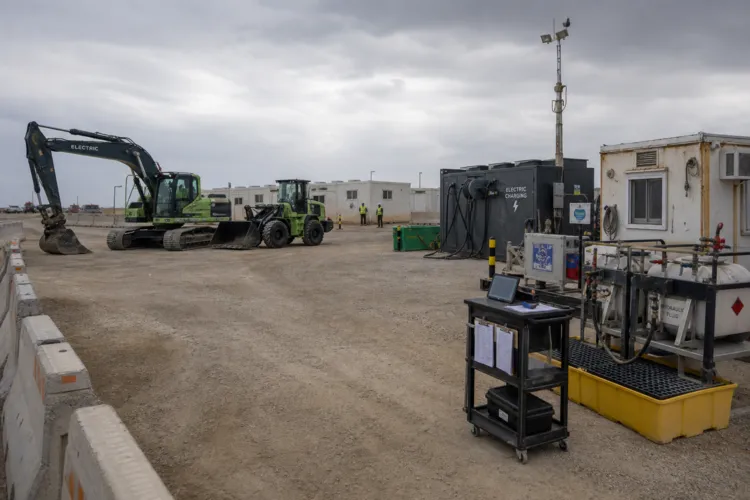
Equipment mix and operating models reshape how airports and handlers plan maintenance. HTF Market Insights highlights that tugs and tractors dominate revenue share because of their essential role in aircraft maneuverability and high demand across airport types. It also points to change in the region: in March 2025, GSE Rentals expanded its fleet and service operations in Qatar in response to increased demand driven by FIFA World Cup infrastructure legacy projects and ongoing airport expansions. Alongside rentals, the shift toward electric, hybrid, and automated ground fleets is widely cited as a trend. IndexBox describes airport investment in electric tugs, GPUs, and passenger boarding bridges to reduce carbon footprints and comply with emissions rules, and notes that automated and remotely operated equipment is gaining traction in major hubs including Dubai International.
Lubricant demand also tracks broader aviation maintenance logic, not only ground vehicles. Mordor Intelligence sizes the global aviation lubricants market at 21.80 million liters in 2025, growing to 23 million liters in 2026 and forecast to reach 30.20 million liters by 2031 at a 5.60% CAGR. It also states that the aftermarket held 72.65% share in 2025, reflecting how recurring replacement cycles drive volume. While this is aircraft-focused market sizing, it reinforces the underlying mechanism that also applies to GSE: once a fluid is approved for a platform family or operating practice, switching is limited by safety and compliance considerations, and recurring replacement becomes a steady procurement line.
For airport growth strategies in Dubai, Doha, and Riyadh, the operational takeaway is simple. When airports expand capacity, they expand their ramp ecosystem, and maintenance must keep pace across towing, cargo handling, and passenger servicing systems referenced in UAE procurement drivers. Middle East & Africa’s 5% share of global GSE demand, with concentration in Gulf hub airports, shows the regional clustering effect. Meanwhile, large-scale build programs like Al Maktoum’s Phase 2 investment and Qatar’s continued expansion-linked rental activity signal more active ground fleets. In practice, that means more scheduled servicing, more condition monitoring, and more disciplined lubricant selection and availability for GSE fleets as airports scale.
What evidence supports rising maintenance needs for ground operations in the UAE?
How concentrated is GSE demand in Gulf hub airports such as Dubai and Doha?
Which GSE categories matter most for day-to-day ramp operations?
How do Qatar expansions affect GSE service activity?
What is changing in ground support equipment lubricants at Gulf airports as fleets modernize?