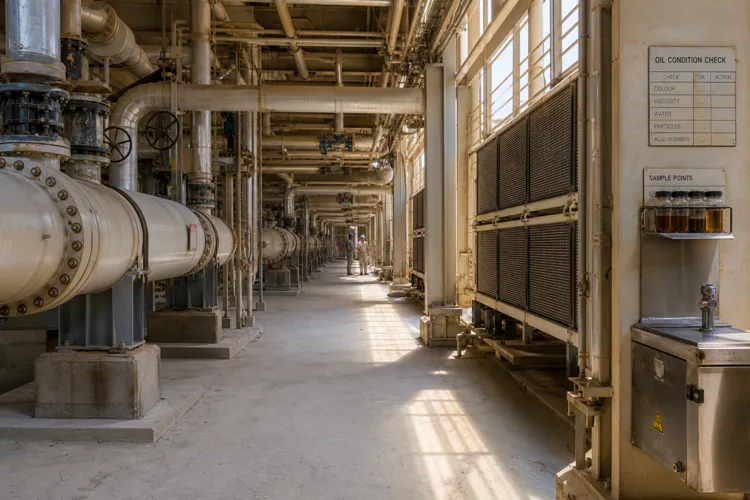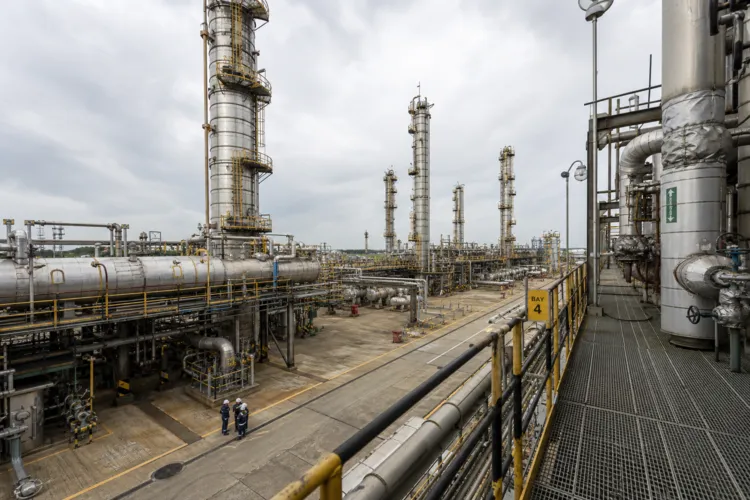
Bright stock tightness is not a short-term imbalance. It is a structural issue tied to how Group I plants are built and how many of those plants are closing. One market narrative talks about oversupply, but that mainly applies to light and mid-grade Group II. Heavy Group I is a different market, and bright stock is where scarcity becomes most visible. Sanyang Petroleum describes bright stock as a very high-viscosity base oil derived from the deasphalted residual stream, not a simple distillate cut. That matters because “no Group I unit, no conventional bright stock,” which limits how quickly supply can respond when demand for heavy formulations rises.
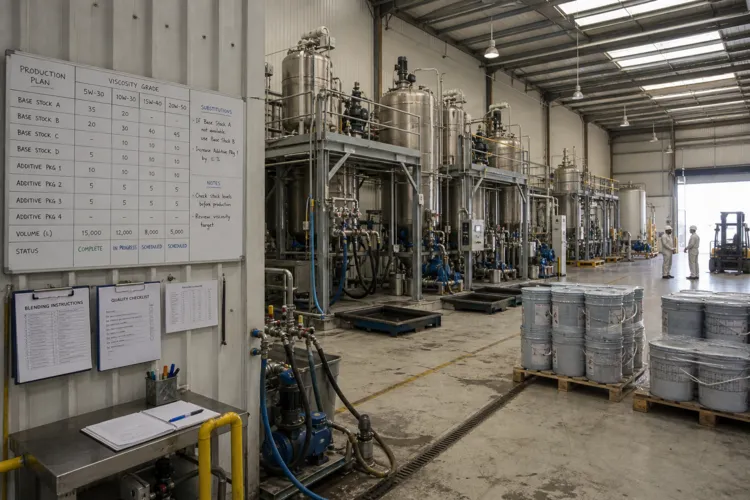
For blenders, the formulation problem is practical. Bright stock is widely used in marine lubricants, gear oils, greases, and industrial lubricant formulations, and Fibre2Fashion highlights it as a heavy Group I grade that is complex to produce. Sanyang Petroleum adds two reasons Group I still matters: solvency and viscosity. Solvent-refined oils retain aromatic and polar structures that help additives dissolve, support predictable seal behavior, keep sludge and varnish in suspension, and allow grease thickeners to yield properly. On viscosity, bright stock can deliver heavy finished-product viscosity directly, while alternatives may require thickeners, polymers, or a redesigned formulation, which can force reformulation work when supply is disrupted.
What the Numbers Say: Growth, Volatility, and Why Tightness Spreads
Even as the regional base-oil economy grows, heavy Group I can stay constrained. GM Insights states the base oil market in Middle East & Africa generated USD 3.82 billion in 2025 and is forecast to grow at a 3.92% CAGR from 2026–2035, while also noting that Group I retains strategic relevance in selected bright-stock and industrial applications where supply rationalization can create localized tightness. Mordor Intelligence similarly projects the Middle East and Africa leading with a 3.33% CAGR to 2031. Price behavior shows how quickly tightness can reprice barrels: Fibre2Fashion reports bright stock rose nearly 90% during March–April 2026 as crude volatility, US–Iran tensions, force majeure events, and reduced Asian refinery rates sharply tightened supply.
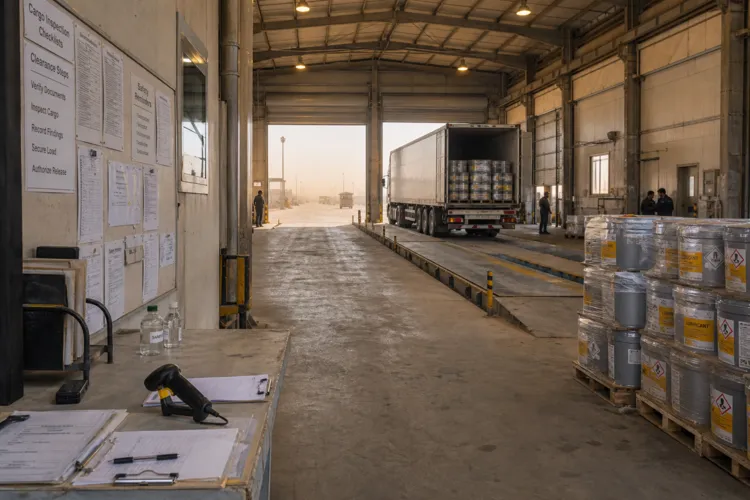
Supply risk is not limited to where bright stock is produced. Logistics and geopolitics can transmit tightness across regions and grades. In 2026, Mordor Intelligence notes disruptions tied to the Persian Gulf and the Strait of Hormuz highlighted exposure to long-haul routes for premium Group III cargoes, increasing the value of regional hubs and secured offtake. In parallel, Lubes’N’Greases reported that the Strait of Hormuz remained closed amid conflict conditions, with base-oil producers implementing price increases through March, and it also observed reduced supplies from the Middle East contributing to Group III price strength elsewhere. These examples reinforce why spot availability can vanish quickly, turning a procurement issue into a production-planning issue.
For buyers managing bright stock supply in the Middle East, contracting and diversified sourcing become risk controls, not just commercial preferences. Mordor Intelligence points to June 2026, when Apar Industries said its subsidiary signed a base-oil supply agreement with Saudi Aramco Base Oil Company (Luberef) tied to the Yanbu LubeHUB value park, describing the deal as improving feedstock security and reflecting the growing role of long-term supply arrangements. GM Insights also highlights Dubai’s distribution role, calling the UAE a significant commercial node for Middle Eastern lubricant supply chains. In a structurally short heavy Group I market, these tools help align allocations, lead times, and formulation needs with supply reality.
Why does bright stock stay tight even when some base oils look oversupplied?
Which lubricant products are most exposed to bright stock tightness?
What happened to bright stock pricing during the March–April 2026 disruption period?
How big is the Middle East & Africa base oil market, and what growth is expected?
How can buyers improve bright stock supply security in the Middle East?