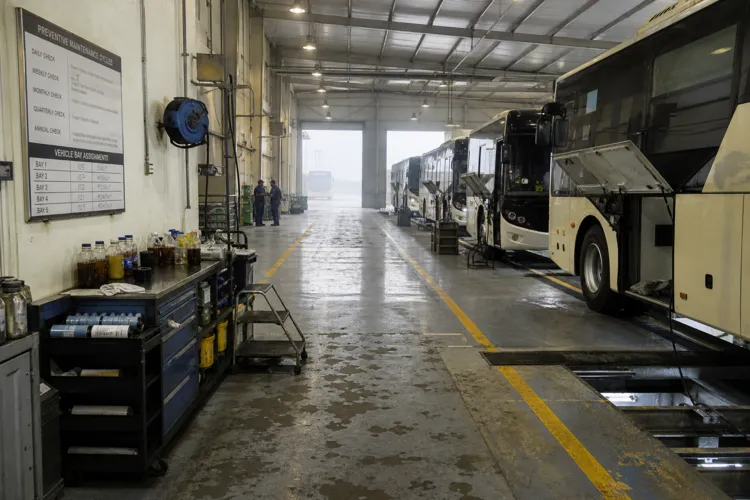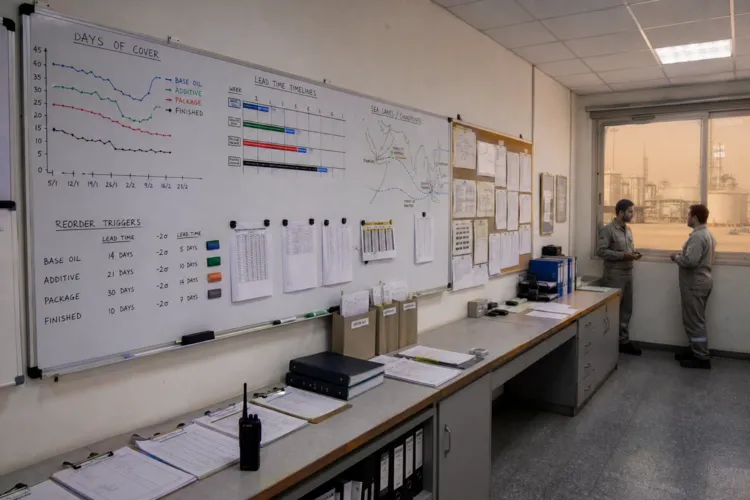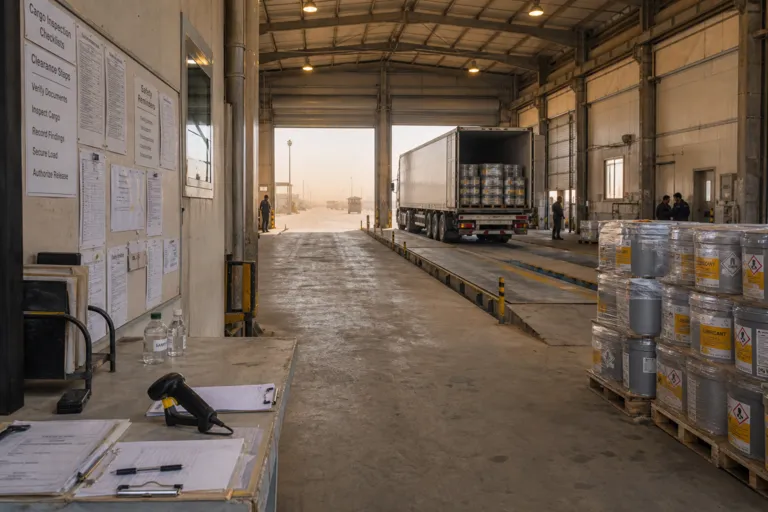
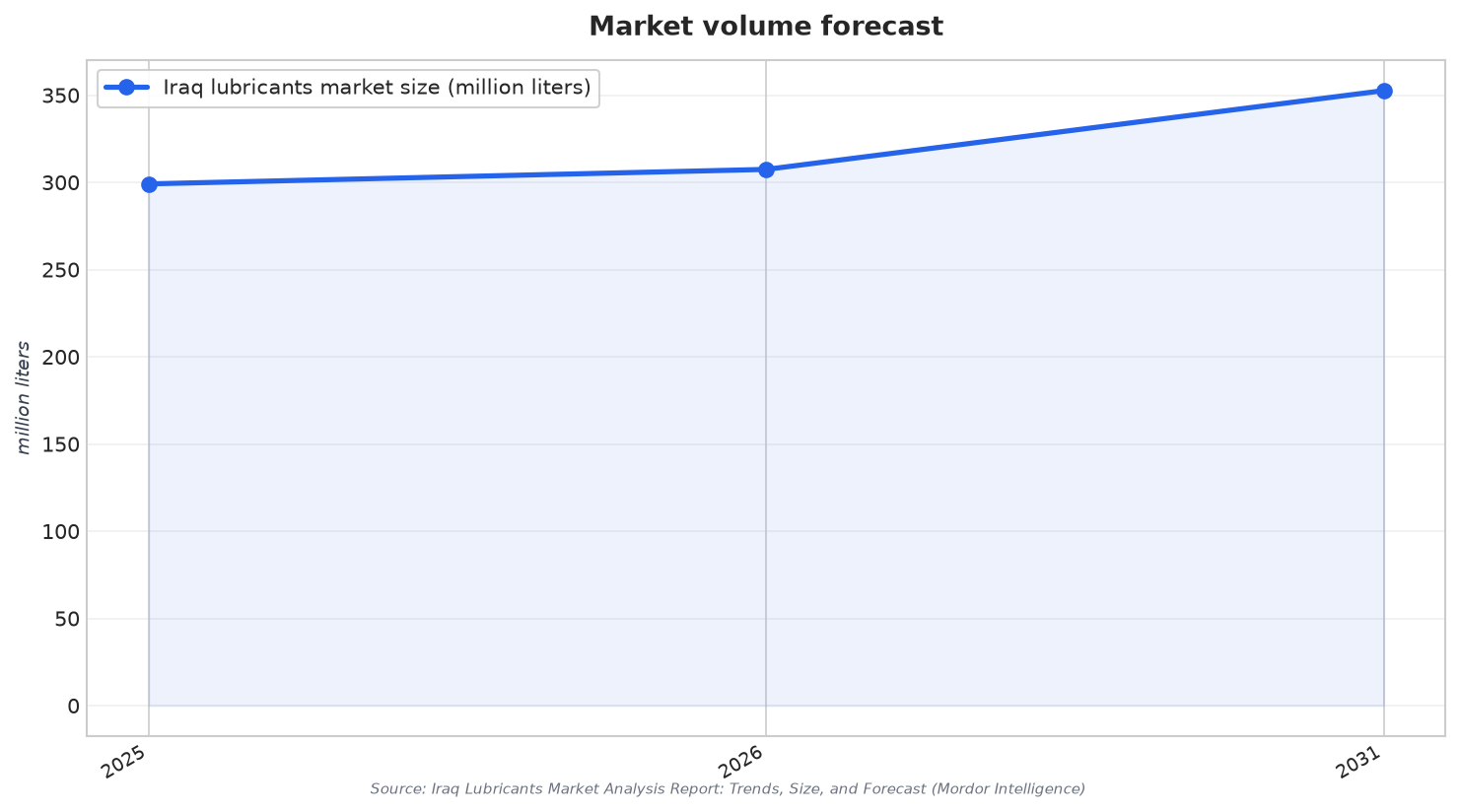
Iraq’s lubricant demand is sizable and tracked in liters, not just anecdotes. Mordor Intelligence values the Iraq lubricants market at 299.12 million liters in 2025, and estimates growth from 307.44 million liters in 2026 to 352.61 million liters by 2031, at a 2.78% CAGR for 2026–2031. Automotive engine oil led with 61.12% market share in 2025, while mineral oil-based lubricants accounted for 72.12%. These shares matter for exporters because the highest-volume categories also draw the most scrutiny at the border, especially in a market where counterfeit products are cited as a challenge.
Demand drivers also shape which lubricant grades and documentation checks become pain points. The same Iraq market report notes the power grid supplies only 24–28 GW against peak demand exceeding 50 GW, which sustains private diesel generator use and demand for high-viscosity engine oils. It also states that upstream oil projects exceeding USD 52 billion are part of the reconstruction-led backdrop. Retail prices for full synthetics are cited at USD 16–27 per liter, and synthetic formulations are forecast to advance at a 4.55% CAGR in 2026–2031. For exporters, that mix means product labeling, claims, and conformity evidence must be consistent with what is shipped.
COSQC Conformity: The Gatekeeper to Clearance
The Central Organization for Standardization and Quality Control (COSQC), under Iraq’s Ministry of Planning, oversees Iraqi Quality Standards (IQS) and mandates conformity requirements for regulated imports, including via programs described as Import Conformity Inspection and Certification. Multiple sources stress that these requirements are not optional when applicable: without the required Certificate of Conformity (CoC), shipments may face delays, additional inspections, penalties, or rejection. Enforcement risk is also quantified in one clearing-agent guide, which states enforcement has intensified and led to a 15% increase in inspection failures for non-compliant goods in 2025, highlighting why Iraq lubricant import standards tied to COSQC must be planned into the shipment timeline.
Cost and delay exposure are also described with concrete figures. The same on-the-ground COSQC inspection guide states that when cargo is stuck at the border for 5 days awaiting COSQC clearance, demurrage can reach USD 800+ per day. It also describes a CoC as typically costing USD 300–700 for Iraq for many product categories. Another trade guide emphasizes that COSQC has digitized the verification process in 2026 and recommends ensuring the inspection agency provides a digital QR-coded certificate to expedite customs clearance and reduce the risk of terminal rejection.
Finally, route selection and paperwork discipline decide whether a lubricant container moves or sits. One IQS guide warns that Federal Iraq and the Kurdistan Regional Government (KRG) operate differently: federal entry points such as Umm Qasr, Zurbatiya, or Shalamcheh strictly require a COSQC-approved CoC issued by designated international inspection bodies, while KRG border crossings such as Ibrahim Khalil use distinct KRG standards and different inspection schemes. For customs clearance, a separate 2026 checklist source calls out core documents including a commercial invoice (English plus Arabic translation), a legalized certificate of origin, and a detailed packing list, and notes stricter verification of Certificate of Origin and Pre-Shipment Inspection.
What role does COSQC play in lubricant imports into Iraq?
How much can COSQC-related border delays cost an exporter?
What documents are commonly required for Iraq customs clearance?
Why does the point of entry matter for Iraq lubricant import standards and COSQC compliance?
What market signals suggest ongoing lubricant demand in Iraq?