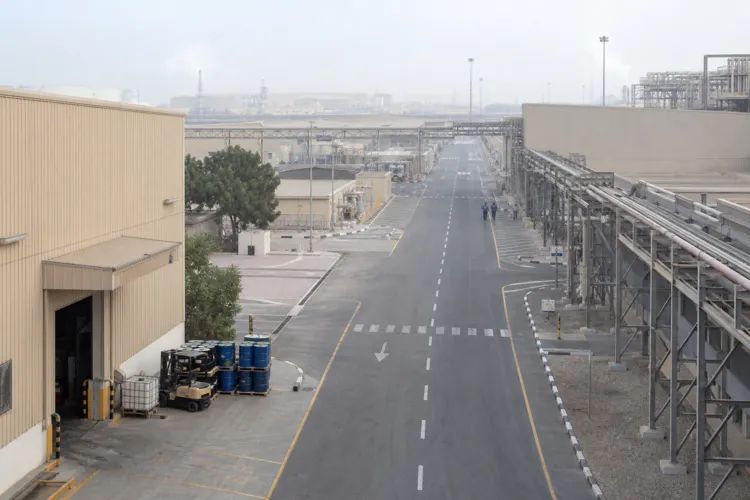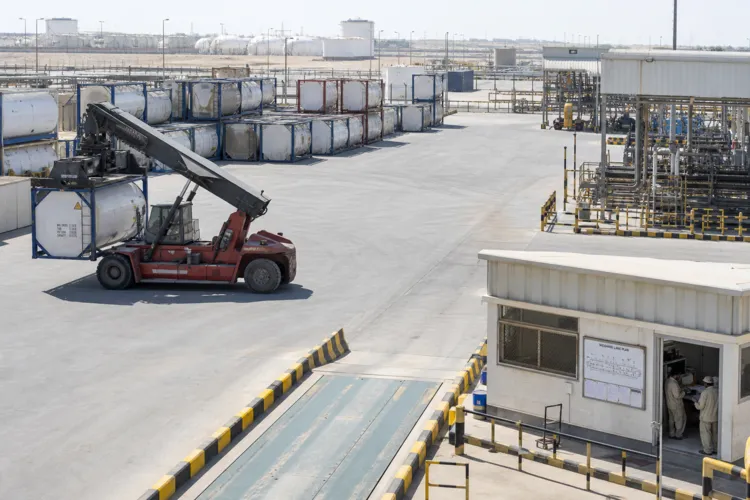

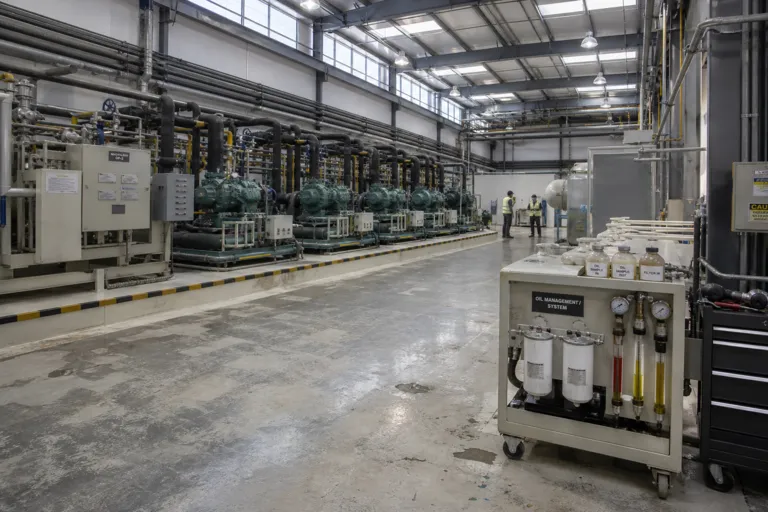
Cold chain expansion in the Gulf is becoming more visible in the UAE, where new storage and distribution assets are being added to support regional flows. Mordor Intelligence states the UAE Cold Chain Logistics Market is worth USD 1.83 billion in 2026 and is growing at a CAGR of 5.84% to reach USD 2.43 billion by 2031. That buildout matters for refrigeration systems, because cold chains integrate refrigerated production, cold storage, and temperature-controlled transportation across air, water, and rail. More facilities and more run time translate into more compressors in service—and, by extension, more lubricant demand tied to routine operation, performance, and maintenance cycles.
Project additions also show up in named sites. Mordor Intelligence points to Gulftainer’s K-Flow facility, launched in September 2025 at Khorfakkan Commercial Terminal, providing cold storage and bonded services for regional distribution. The same source highlights inland hubs linked by highway and rail as a pathway for future expansion potential, especially for food re-exports into the GCC, and notes testing of micro cold storage for e-grocery and foodservice. Each of these use cases depends on refrigeration plant stability. Compressor lubrication is part of that stability, because refrigeration oil is described by SNS Insider as keeping the compressor well lubricated and protected from overheating in air conditioning and refrigeration units.
Why Compressor Lubricants Rise With Warehousing and Transport
Global market signals help frame why lubricant demand tracks cold chain growth, even when local project data is still emerging. Polaris Market Research values the global refrigeration oil market at USD 1.18 billion in 2024, with growth at a CAGR of 7.2% from 2025 to 2034, and ties expansion to rising refrigeration applications in food and pharmaceuticals and the expansion of the cold chain industry. SNS Insider also reports the refrigeration oil market was valued at USD 1.45 billion in 2025 and is expected to reach USD 2.33 billion by 2035, growing at a CAGR of 4.86% from 2026–2035, while describing rising need for freezer warehouse facilities and refrigerated transportation facilities as supporting stable use of refrigeration oils in warehouses and transport.
Operating conditions in the UAE add another layer to the refrigeration compressor oil Gulf cold chain discussion. Mordor Intelligence notes high summer temperatures and humidity increase refrigeration loads in deep-freeze and chilled storage, raising energy spend as a share of operating expenses. The same source says operators respond with ammonia-based systems, better insulation, and predictive controls that modulate compressor cycles against door activity and ambient heat ingress. These shifts can influence lubricant choice and changeout strategy, because oils must support efficient compressor operation under variable cycling, while also aligning with evolving refrigerant and efficiency preferences highlighted in global reports.
Technology and formulation trends also point to where demand can concentrate. Polaris Market Research says the synthetic oil segment held the largest market share in 2024, citing superior performance, extended service life, and strong compatibility with eco-friendly refrigerants. SNS Insider similarly describes synthetic oils at approximately 48% share in 2025 and notes compatibility with HFC and HFO refrigerants. Spherical Insights adds that investments in cold chains, cold storage facilities, pharmaceutical logistics, and HVAC systems are providing impetus, and cites an August 2025 launch of a next generation synthetic refrigeration lubricant that increased compressor efficiency by 24% and reduced energy use by 18%. For Gulf operators facing energy-cost exposure from climate-driven loads, these kinds of performance claims become part of procurement conversations as facilities scale.
What is driving refrigeration compressor oil demand in the Gulf cold chain?
How fast is the UAE cold chain logistics market growing?
Why do high temperatures and humidity matter for compressor oil needs?
Which refrigeration oil type is leading in the market, according to the sources?
What performance improvements are cited for newer synthetic refrigeration lubricants?