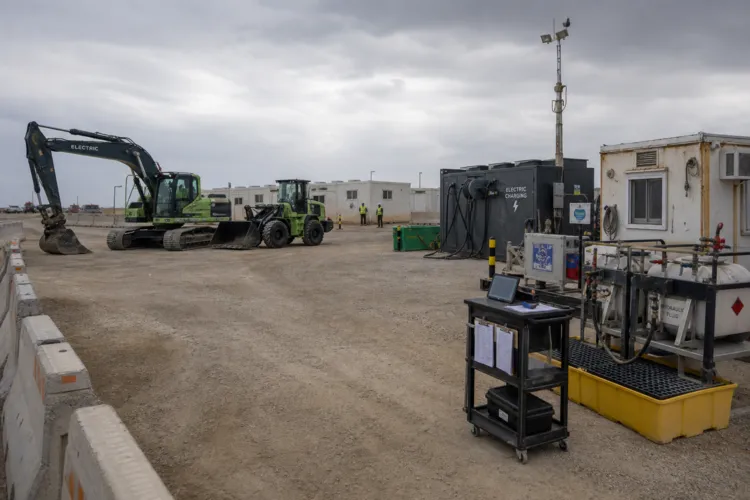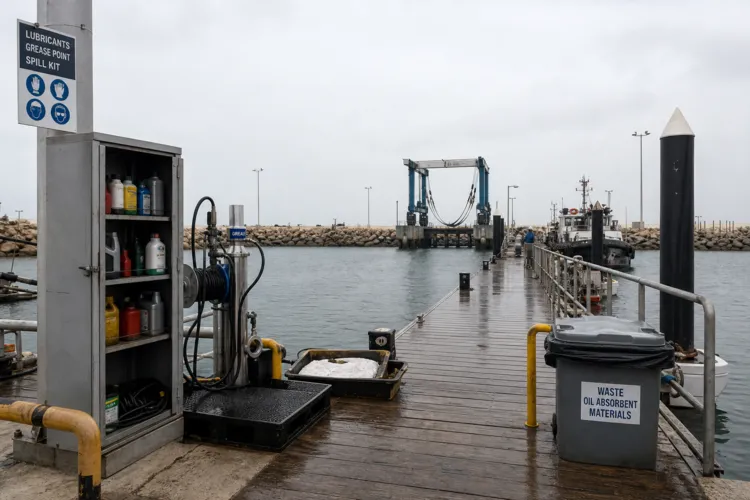

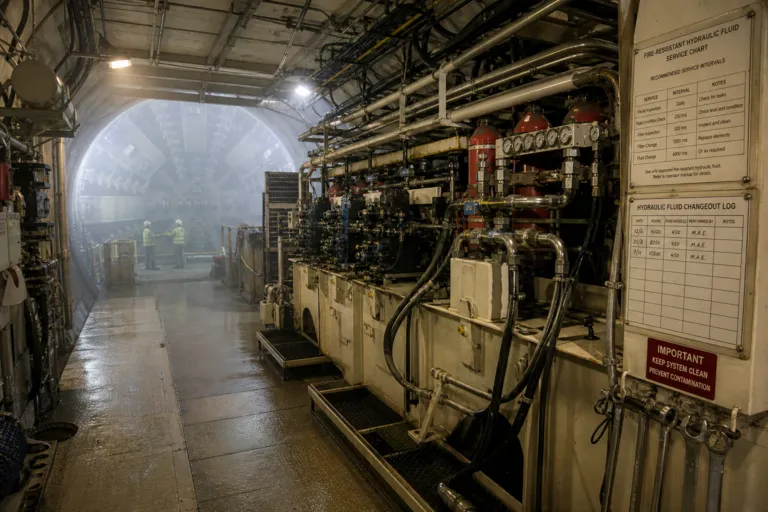
Underground and metro rail construction puts hydraulic systems in close proximity to ignition sources and confined airflow. Industry commentary links regulations and insurer requirements in hot-work and high-risk environments—including underground mining and tunnel-boring—to a shift away from mineral-oil AW fluids toward fire-resistant hydraulic fluids, to reduce ignition and flame-propagation risk. In construction equipment, fire-resistant hydraulic fluids are described as crucial for excavators, cranes, and drilling machines because high-pressure hydraulic systems can create significant fire risk. For decision-makers focused on fire-resistant hydraulic fluid in GCC construction equipment fleets, the practical story is not only compliance. It is also uptime and reliability where equipment operates under demanding duty cycles.
Multiple market studies frame this shift as part of a broader growth trend for fire-resistant hydraulic fluids. MarketResearchFuture estimates the fire-resistant hydraulic fluid market at USD 5.93 billion in 2024, projected to reach USD 8.57 billion by 2035 at a 3.41% CAGR. Mordor Intelligence values the market at USD 1.48 billion in 2025 and estimates growth from USD 1.53 billion in 2026 to USD 1.83 billion by 2031 at a 3.63% CAGR. A separate report projects the global market at USD 1.645 billion in 2026 and USD 2.167 billion by 2035 with a CAGR of 3.1%. These figures differ by methodology, but they consistently point to sustained demand tied to safety expectations in high-risk operating environments.
What Fluid Types and Standards Signal a “Safety-First” Shift
Fluid selection is also changing. MarketResearchFuture describes water-containing fluids as dominant, valued for cooling and lubrication, and notes that water-free fluids are smaller today but “rapidly gaining traction” as regulations and technology improve performance and fluid life. Mordor Intelligence adds detail: HFC water-glycol held 31.22% of 2025 market share, while HFDU synthetic esters are forecast to expand at a 3.56% CAGR through 2031. It also links environmental regulations in marine, mining, and construction to biodegradable synthetic esters that comply with Factory Mutual FM 6930 and ISO 15380 HEES biodegradability criteria. For underground and metro assets, this mix matters because it connects fire performance, environmental compliance, and practical lifecycle considerations.
Operating conditions in confined worksites make the technical case more urgent. One report notes that hydraulic systems in mining typically operate at pressures exceeding 250 bar and temperatures above 120°C, and that about 65% of underground mining equipment uses fire-resistant hydraulic fluids due to explosion risks in confined environments. It also states adoption of HFA and HFC fluids has increased by 39% since 2020 due to safety regulations. While mining is not metro construction, the shared risk pattern is clear: pressure, heat, and limited escape routes increase the consequences of ignition. In parallel, Mordor Intelligence highlights that automation and electrification raise flash-point requirements for high-voltage electronics, and it points to OEMs such as Volvo and Caterpillar mandating fire-resistant hydraulic fluids for electro-hydraulic steering systems.
Procurement teams still face real trade-offs. One study lists restraints including a nearly 45% cost premium over conventional fluids, 38% higher maintenance requirements, 33% compatibility limitations with seals, and 29% performance degradation in extreme water exposure. These constraints are relevant for GCC underground and metro contractors balancing safety objectives with operating cost targets and component compatibility. At the same time, suppliers are investing in portfolios and launches that support industrial users. MarketResearchFuture cites a Q2 2024 launch of ExxonMobil Mobil Pyrotec HFC for heavy industry applications. In the wider hydraulic fluids market, Mordor Intelligence notes TotalEnergies Lubrifiants acquired fire-resistant hydraulic fluid product lines from Fluid Competence in January 2025, and that rail operators are shifting toward specialized fire-resistant blends to comply with stricter environmental regulations in coastal zones.
Why are fire-resistant hydraulic fluids becoming a safety requirement in underground and metro work?
Which fire-resistant hydraulic fluid types are gaining traction for construction-style equipment needs?
What constraints can affect adoption for GCC construction fleets using fire-resistant hydraulic fluids?
How do mining conditions help explain the need for fire-resistant hydraulic fluids in confined environments?
What does the market outlook suggest for fire-resistant hydraulic fluid demand tied to GCC construction?