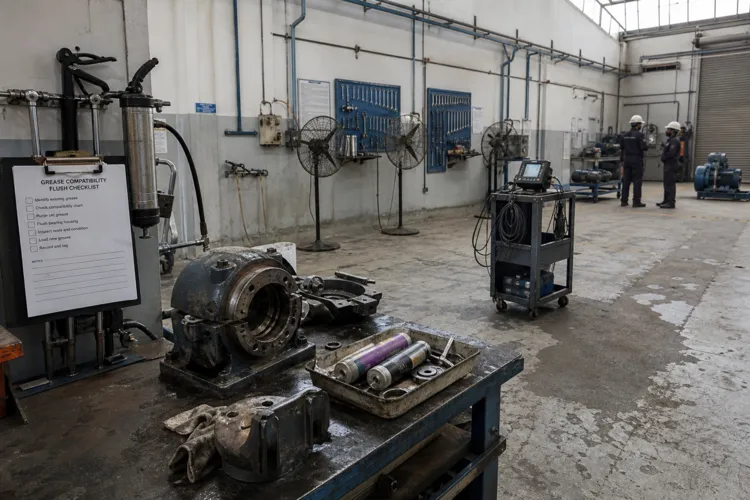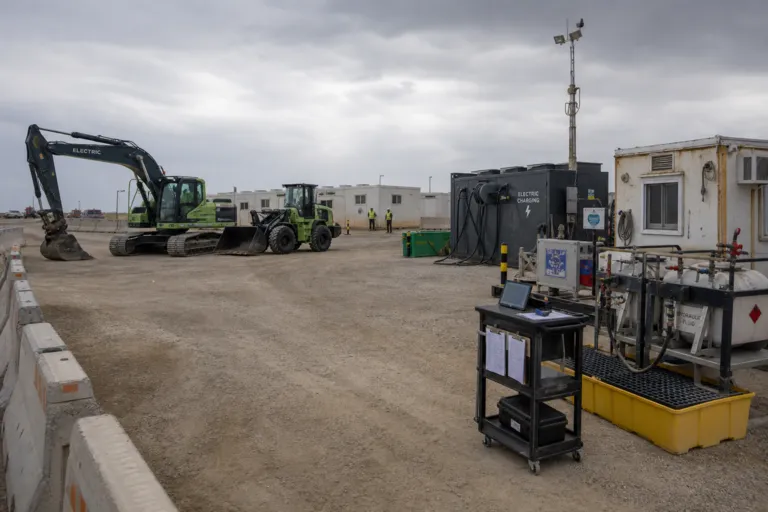
Across the GCC, electrification is starting to reshape how contractors think about machine uptime and maintenance. Even when local market figures are not disclosed in the available sources, the product categories are clear: electric loaders and electric excavators sit alongside electric dump trucks, dozers, motor graders, and load haul dump machines in electric and hybrid heavy construction equipment segmentation described in MarketsandMarkets coverage. That same coverage also highlights a connected-equipment direction, including telematics integration and remote diagnostics as a way to improve equipment uptime and reduce unplanned downtime. For decision makers, the shift is not only about the powertrain; it is also about defining what “good” looks like for electrified maintenance standards and the fluids that support reliable operation.
The strongest signal from the excavator category is that technology improvements are tied to efficiency and systems performance. MarketsandMarkets states the excavator market is projected to grow from USD 54.49 billion in 2026 to USD 71.74 billion by 2032 at a CAGR of 4.7%. In that same discussion, electric and hybrid powertrains are described as delivering up to 30–40% lower fuel consumption, and the report links growth to advanced hydraulic systems using load-sensing, variable-flow pumps, and energy recovery. For a GCC fleet evaluating electrified earthmoving, these are direct pointers to where fluids still matter: hydraulics remain central, and the lubrication and fluid strategy has to match load-sensing and variable-flow behavior rather than treating the machine like a conventional, fixed-demand system.
What Electrified Fleets Change in Fluid Planning
Electric excavator market segmentation also signals practical diversity, which affects service planning and fluid specifications. MarketsandMarkets breaks electric excavators by battery capacity bands: <50 kWh, 50–150 kWh, 151–300 kWh, and >301 kWh, and it also references battery chemistries including Lithium Iron Phosphate and Lithium Nickel Manganese Cobalt Oxide (plus others). Those ranges do not prescribe a single maintenance approach. Instead, they imply different duty profiles and operating temperatures that can influence thermal management choices and inspection intervals. In parallel, the broader heavy-equipment coverage emphasizes electrified and connected machines for urban and quarry applications, with remote diagnostics and energy-efficient operation framed as a route to improved lifecycle cost and sustainability compliance—conditions that reward disciplined fluid monitoring rather than reactive changes.
Digital operations also change how fluid condition is tracked. MarketsandMarkets describes integration of telematics and autonomous haulage systems for real-time fleet monitoring and predictive maintenance, with benefits that include improving equipment uptime and reducing unplanned downtime. It also describes IoT-enabled excavators and dozers used for automated grading and jobsite visualization to enable precision earthmoving and reduce rework. For GCC operators building an electrified mixed fleet, this points toward a more data-led fluid program. Instead of relying on calendar-based routines alone, fleets can align sampling, alarms, and service triggers to real-world utilization patterns captured by connected-machine systems, especially where productivity depends on consistent hydraulic response.
As a macro indicator of electrification momentum, Fortune Business Insights reports the global off-highway electric vehicle market size was $15.41 billion in 2025 and is projected to grow from $17.84 billion in 2026 to $59.51 billion by 2034. Those figures are global, not GCC-specific, but they help explain why fluid suppliers and fleet managers are revisiting product fit and service models now. In practice, the planning conversation in the region increasingly includes electric construction equipment fluids in the GCC: how to maintain hydraulic efficiency, how to support machine thermal needs, and how to integrate condition tracking into telematics-led maintenance so electrified excavators and loaders can deliver consistent performance on high-visibility projects.
What equipment types are included in electric and hybrid heavy construction equipment segmentation?
What is the stated growth outlook for the excavator market in the provided sources?
How are electric excavators segmented by battery capacity in the sources?
How does the keyword topic—electric construction equipment fluids in the GCC—connect to telematics and predictive maintenance?
What global market figures are given for off-highway electric vehicles?