
The competitive race for electric vehicle lubricants UAE is accelerating as fleets and consumers shift toward electrified powertrains. Ken Research notes that EV penetration in Dubai is reducing reliance on internal combustion engines and shrinking demand for conventional engine oils. That change pushes suppliers to expand into EV-compatible fluids such as gearbox oils, thermal management fluids, and battery-cooling agents. It also increases the value of partnerships with automakers and charging solution providers to stay relevant in a transitioning mobility landscape.
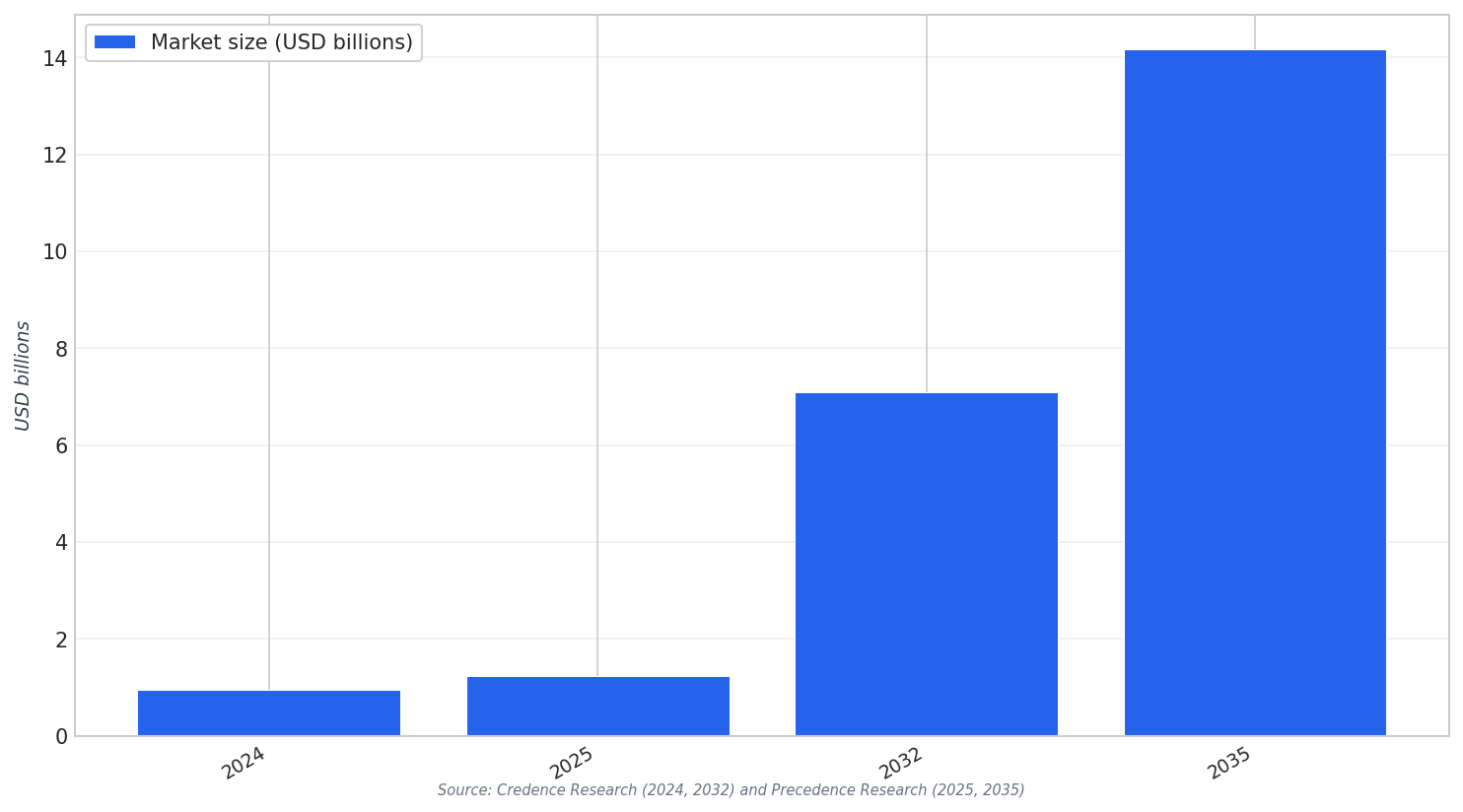
Globally, the EV fluids and lubricants category is growing fast. Credence Research values the electric vehicles fluids and lubricants market at USD 957.5 million in 2024 and anticipates it will reach USD 7095.97 million by 2032, with a 28.45% CAGR. Precedence Research also highlights expansion, valuing the global electric vehicle fluids market at USD 1.24 billion in 2025, rising to USD 1.59 billion in 2026, and projecting USD 14.18 billion by 2035. These are global figures, but they signal the size of the opportunity that UAE suppliers and distributors are preparing for.
One of the clearest strategy signals is product focus. Precedence Research reports the engine oil segment generated more than 56% revenue share in 2025, and Credence Research estimates engine oil holds 55–56% share in its EV fluids and lubricants segmentation. Precedence Research also states that HEVs/PHEVs accounted for 75% of revenue share in 2025. For UAE suppliers, this supports a near-term “mixed fleet” approach: serve hybrids and plug-in hybrids with the right low-viscosity and EV-compatible formulations while building capabilities for BEV-specific needs such as coolants and driveline fluids.
Supplier Strategies in the UAE as EV Uptake Builds
Supplier execution in the UAE also depends on operational credibility and channel control. Mordor Intelligence lists top UAE lubricants companies as ADNOC, ENOC, Shell, BP, and ExxonMobil. It emphasizes buyer concerns such as local plant access, channel coverage, technical credibility, and proof of follow-through. It also highlights the need to document authenticity when counterfeits circulate through informal channels, making packaging integrity and workshop-level verification part of a defensible go-to-market strategy.
Local positioning can be strengthened with visible infrastructure and product updates. Mordor Intelligence notes ENOC’s lubricants and grease facility in Jebel Ali runs entirely on solar energy, based on a November 2023 update. It also cites ADNOC’s push into premium low-viscosity grades and mentions a 2025 dealer event introducing SQ grade 0W20 and 5W30 variants. Separately, an Atlantic Lubes blog argues lubricant companies should build strong relationships with EV manufacturers now and diversify into adjacent offerings, positioning themselves as broader solution providers.
Heat, driveline requirements, and charging build-out also shape the EV lubricant playbook. Intel Market Research states the Middle East & Africa region has nascent potential and that harsh climates demand heat-resistant formulations for emerging electric fleets. It adds that investments in charging networks indirectly boost lubricant needs, with focus on versatile oils for mixed ICE-EV transitions. For suppliers, that reinforces three priorities: expand EV-compatible fluid portfolios, deepen strategic alliances, and keep technical support strong for workshops and fleets managing electrified vehicles alongside conventional ones.
What does “electric vehicle lubricants UAE” typically include?
Why are partnerships important for lubricant suppliers as EV adoption grows?
Which companies are listed among the top UAE lubricants players?
What product segments still matter during a mixed ICE-EV transition?
How do climate and charging investments affect EV lubricant needs in the region?