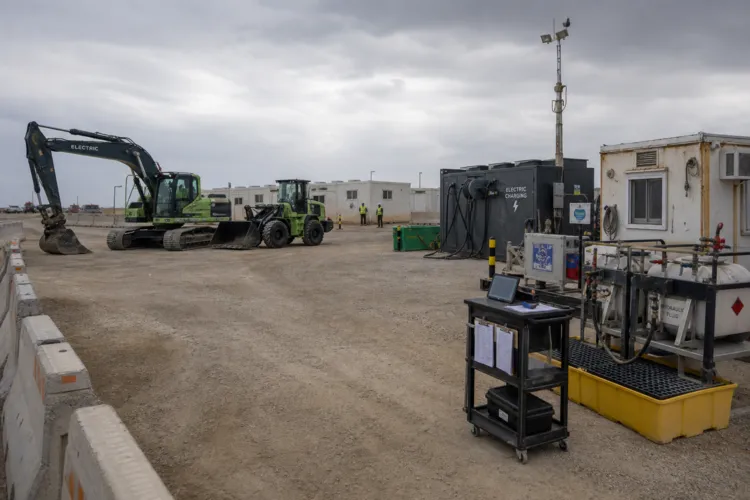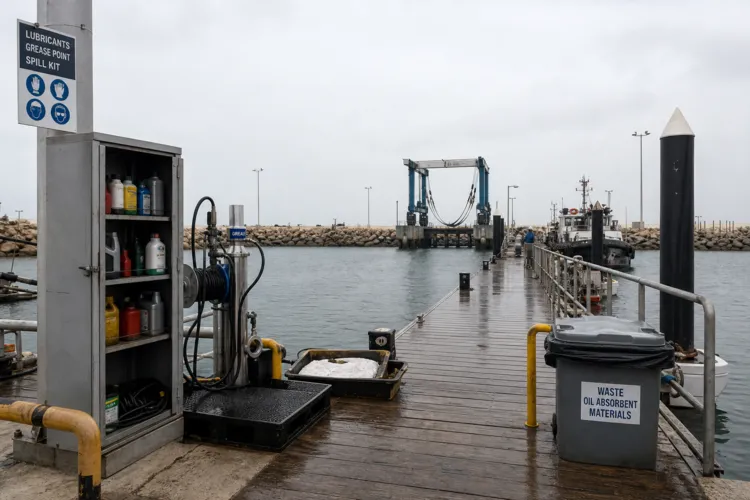

In GCC construction and off-highway operations, lubricant cleanliness is not a nice-to-have. Off-highway equipment lubricants are selected and managed around severe loads, dust, water exposure, temperature variation, and extended service intervals. Modern machines also combine electronically controlled engines, high-pressure hydraulic systems, advanced transmissions, and emissions after-treatment. That complexity raises the importance of lubricant cleanliness, oxidation stability, deposit control, and compatibility with seals and filters. This is the operating context for sand contamination control lubricants in the GCC: keep abrasive contaminants out, detect issues early, and protect equipment reliability across dispersed worksites.
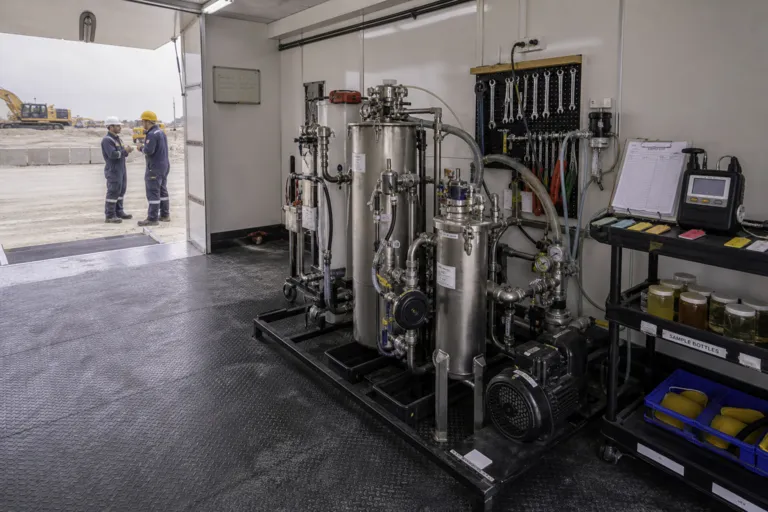
Filtration is the frontline defense against contamination. Lubricant filtration is defined as removing contaminants such as dirt, metal particles, and other impurities from lubricating oil used in machinery and engines. The purpose is clear in the source material: maintain the oil’s effectiveness, extend equipment lifespan, and ensure optimal performance. Filtration systems can address multiple lubricant circuits, including engine oil, hydraulic oil, and transmission fluid. The filtration approach can also vary. Depth filtration, for example, traps contaminants within the filter’s material as fluid passes through a porous medium, rather than only collecting debris on the surface.
How Predictive Monitoring Supports Cleaner Oil in Dusty Fleets
Condition-based maintenance strengthens filtration strategies by turning oil health into an actionable signal. Sources describe how advances in filter media and real-time monitoring technologies, combined with predictive maintenance, help detect contamination early and take required measures to prevent equipment failures. With sensors and analytics in the oil, maintenance strategies are no longer based only on time intervals. Instead, teams can focus on condition-based maintenance, which is described as helping industries reduce oil changes and lower operating costs. AI adds another layer by combining oil analysis, equipment telemetry, temperature, load, vibration, and maintenance records to identify abnormal wear, contamination, oxidation, or lubricant degradation earlier than fixed schedules, while still needing validation against specialist and OEM requirements.
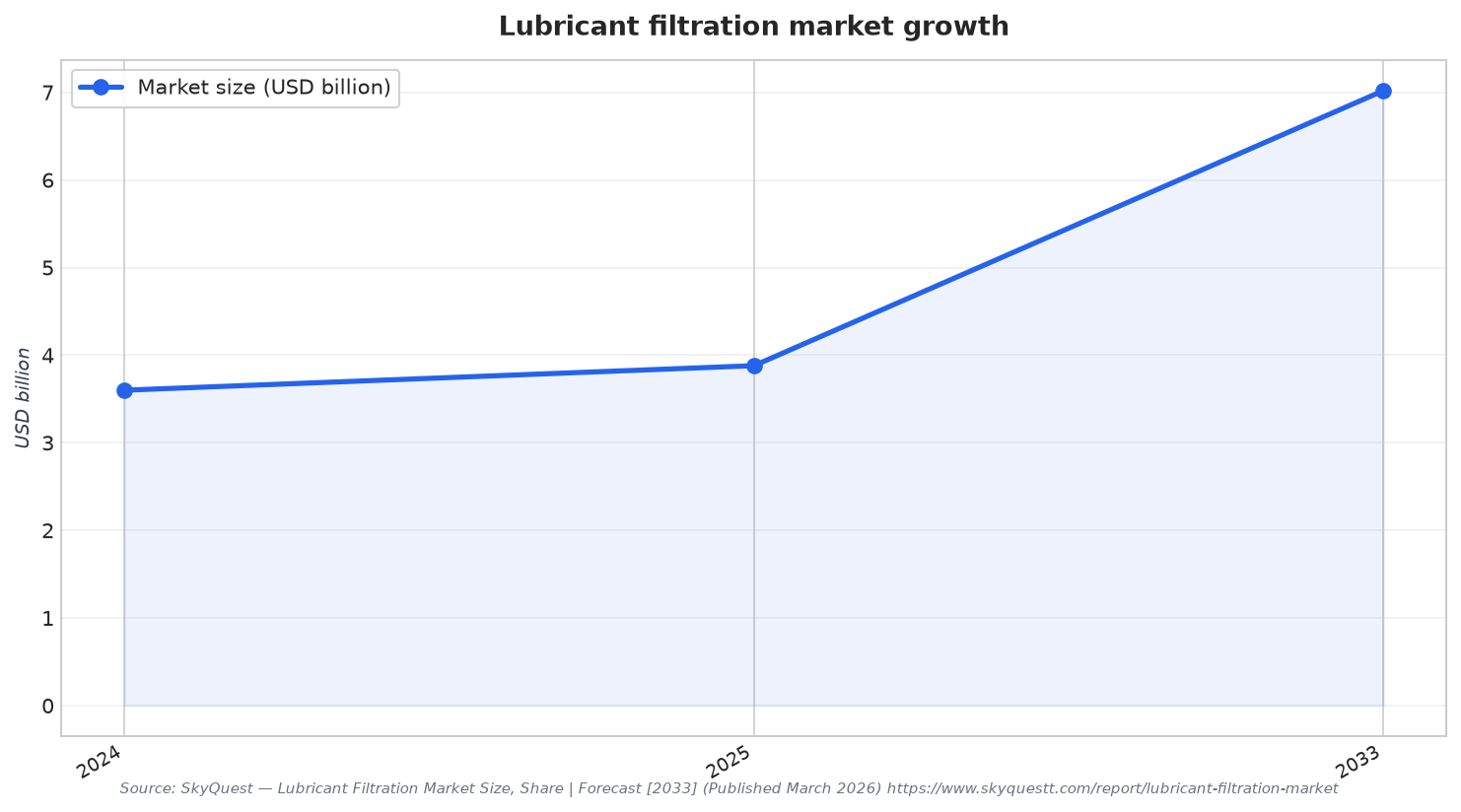
Investment and market direction also signal how central contamination control has become. In the GCC, the construction lubricants market is cited at USD 90.0 million in 2025 and projected at USD 108.2 million in 2034, with a 2.07% market growth rate for 2026 to 2034. The same source links demand to equipment longevity, high-performance lubricants, and rising awareness about equipment maintenance, alongside government infrastructure initiatives and expansion of construction equipment rental services. At the filtration level, global market estimates show strong momentum too: one source values the global lubricant filtration market at USD 3.6 billion in 2024, rising to USD 3.88 billion in 2025 and USD 7.02 billion by 2033 (7.7% CAGR for 2026–2033). Another source sizes the lubricant filtration market at $36.53 billion in 2026 and projects $47.04 billion by 2030 at a 6.5% CAGR, reinforcing that filtration is being treated as a core reliability lever.
Practically, a GCC-ready contamination-control plan links fluid selection, filtration design, and verification. Off-highway lubricant performance depends on matching chemistry and viscosity to the system (engine, hydraulic, drivetrain, gear, and specialty systems) while accounting for dust and extended intervals. Filtration then needs to be aligned to the circuit and the expected contaminant profile, using appropriate media options such as cellulose-based, synthetic-based, or blend filters. Finally, monitoring closes the loop by flagging abnormal contamination and helping prioritize inspections across dispersed fleets. This combination makes sand contamination control lubricants GCC programs more consistent: filtration removes impurities, and data-driven maintenance reduces guesswork when operating conditions shift.
What does lubricant filtration remove from equipment oil?
What is depth filtration in lubricant contamination control?
How does predictive monitoring help with sand and dust contamination risks?
What is the GCC construction lubricants market size cited in the sources?
Which strategies best fit a sand contamination control lubricants program in the GCC?