
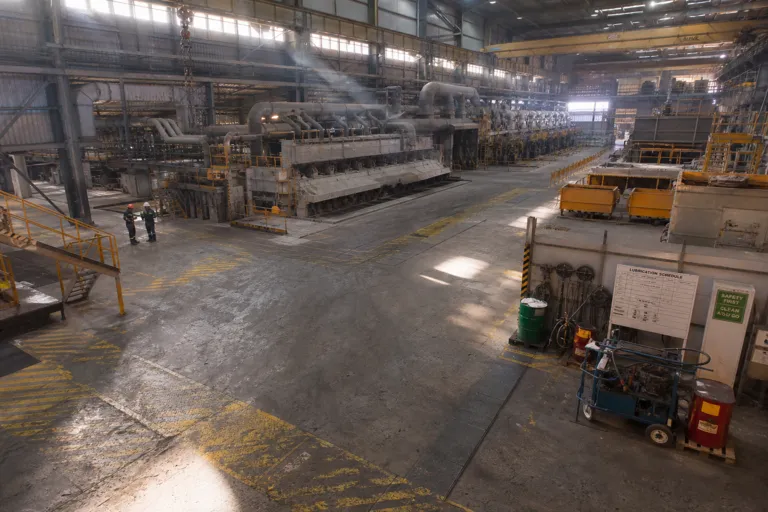
Industrial lubrication demand in the Gulf often concentrates where equipment runs continuously and reliability is measured in uptime. Bahrain’s Aluminium Bahrain B.S.C. (Alba) sits inside this reality, because it is a large industrial asset in a region where aluminium output is significant. The International Aluminium Journal estimates the five aluminium smelters in the GCC produced about 6.3 million tonnes in 2024, described as a 1.8% year-on-year increase. The same source also cites a record level of nearly 6.45 million tonnes in 2024, noting growth of around 120,000 tonnes year-on-year, attributed to the secretary general of the Dubai-based Gulf Aluminium Council. In plants like these, oils and greases are not “commodities” in practice. They are part of how operators protect assets, manage maintenance windows, and keep complex machinery stable.
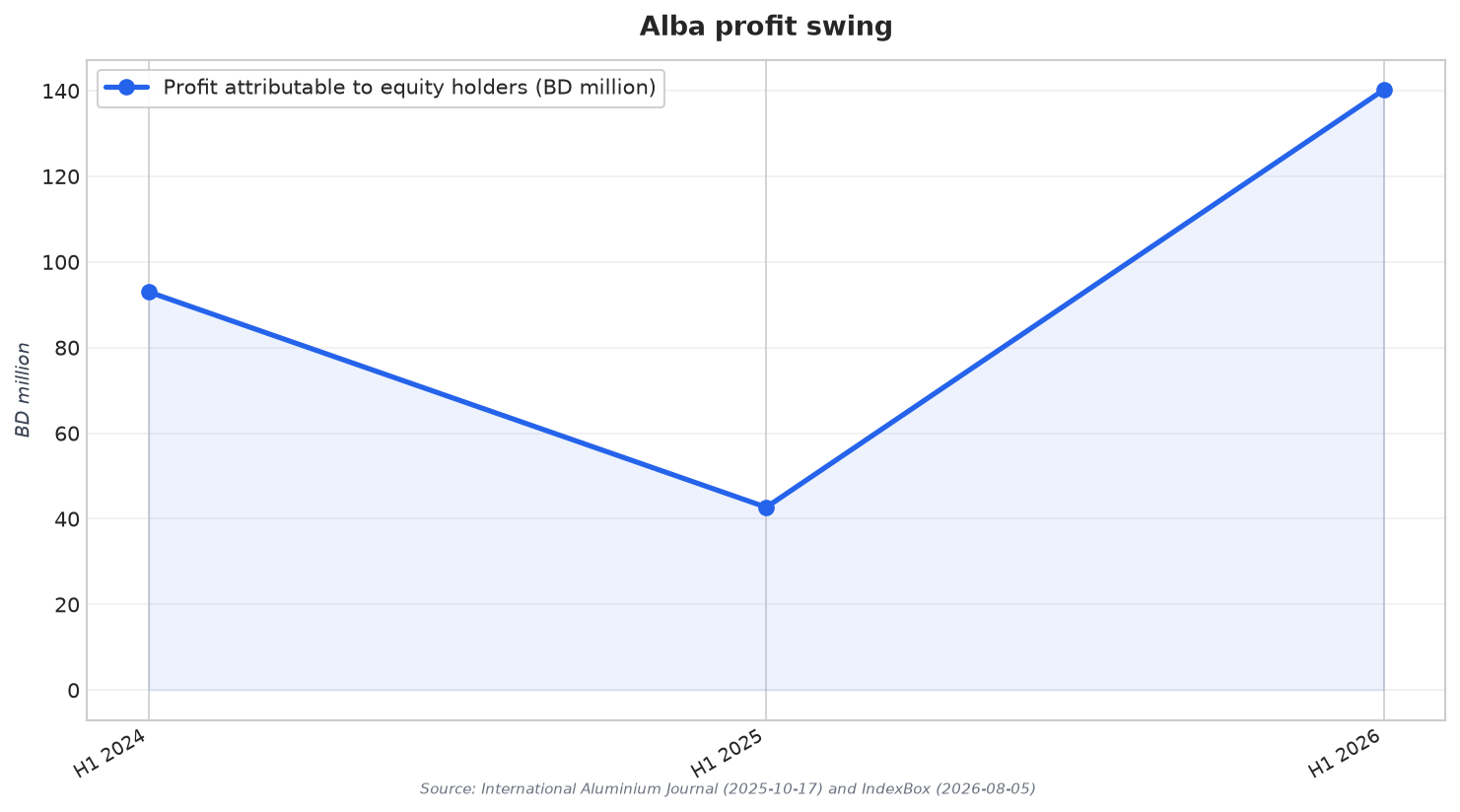
Alba’s recent financial and operating updates show why maintenance discipline, including lubrication routines, stays in focus. For the first half of 2025, Alba reported profit of BD42.7 million (USD113.5 million), down 54% year-on-year from BD93 million (USD247.3 million) in the first half of 2024, according to the International Aluminium Journal. IndexBox later reported that for the first six months of 2026, Alba posted profit attributable to equity holders of BD140.2 million (USD372.8 million), up 228% from BD42.7 million in the same period of 2025. In Q2 2026, IndexBox also reported sales volume of 280,799 metric tonnes, down 32% year-on-year, and net finished production of 155,469 metric tonnes, down 61% year-on-year, linked to a controlled shutdown of L1-2-3 lines amid regional tensions. When operations are adjusted and assets are protected, lubricant selection, storage, and application practices become closely tied to asset care and operational reliability.
Why Specialty Oils and Greases Matter More in GCC Heavy Industry
Regional market signals also frame the opportunity for suppliers targeting heavy industry. Market Research Future reports the GCC region holds a 5.5% share of the MEA lubricants market, driven by a booming industrial sector and increasing automotive demand. It also describes greases in the industrial sector as an emerging category, linked to growing operational complexity and specialized applications, and highlights grease as a preferred choice for maintenance in heavy equipment under extreme conditions. This matters for industrial buyers because a smelter’s maintenance planners typically procure across multiple lubricant types, not just one. In parallel, MarkWide Research notes that steel and aluminum smelters in Sohar and Jubail Industrial City generate concentrated grease and circulating oil demand for continuous-process machinery. While that specific comment is not about Bahrain, it signals how smelter-driven lubrication demand can cluster in large, continuous operations across the GCC.
For the Alba aluminium smelter lubricants Bahrain topic, the most practical way to read the data is through operations and risk management rather than generic consumption. IndexBox reported that during disruption-related shutdown conditions, Alba planned asset care and maintenance work on idled lines, including cleaning processes, to prepare for a potential restart, while coordinating with suppliers and customers to manage commitments. In the same Q2 2026 performance update, IndexBox said Alba optimized alumina usage and used strict inventory and supply chain management to maintain smelter stability, protect key assets, and sustain operational reliability. These phrases map directly to the lubricant world: stable operations depend on maintenance workflows, and maintenance workflows depend on dependable availability of the right oils and greases, delivered and managed consistently even when logistics are strained.
Finally, demand context in and around Bahrain influences how lubricant suppliers prioritize accounts and technical support. The International Aluminium Journal notes Middle East demand for aluminium dropped 4% year-on-year, primarily driven by lower consumption in Bahrain (down 10% year-on-year) and the UAE (down 5% year-on-year). That kind of end-demand pressure can push operators to emphasize efficiency, asset protection, and reliability, because cost and performance scrutiny rises when markets soften. For lubricant and grease providers, that usually shifts conversations toward specifications, condition-driven maintenance alignment, and supply assurance. The result is that specialty oils and greases are positioned less as line items and more as part of the operating system that keeps a large industrial site resilient through swings in production, logistics, and market conditions.
Why is lubrication a strategic issue for Bahrain’s Alba smelter operations?
What do the latest updates say about Alba’s performance in 2025 and 2026?
How big is GCC aluminium production, and why does it matter for industrial lubricants?
What does research say about the GCC’s position in the wider MEA lubricants market?
How does the Alba aluminium smelter lubricants Bahrain theme connect to wider GCC smelter lubrication demand?