
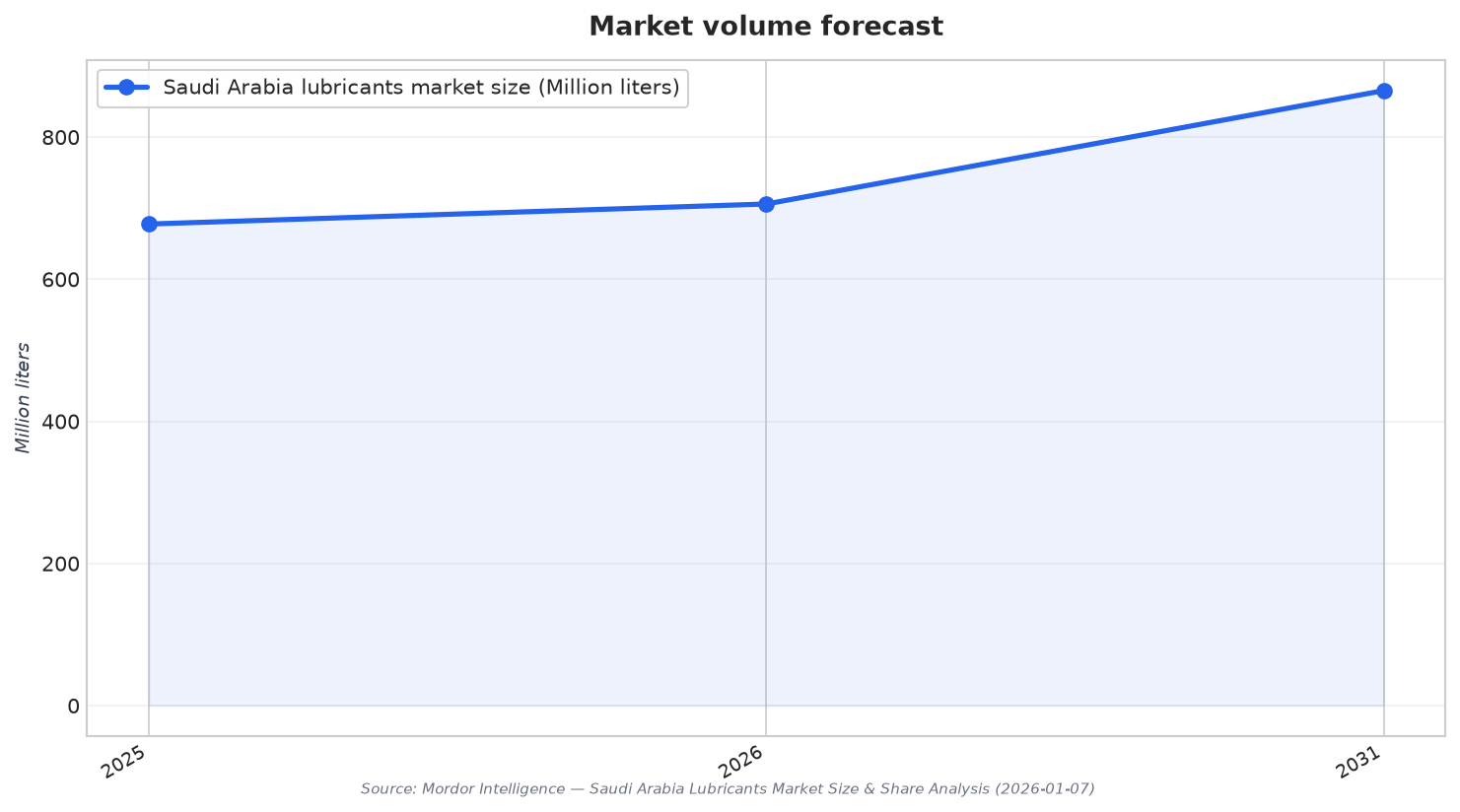
Saudi Arabia is not a “set-and-forget” lubricants market. It is a fast-moving arena shaped by industrial diversification, changing formulations, and distribution digitalization. Mordor Intelligence values the Saudi Arabia lubricants market at 677.67 million liters in 2025, with estimates rising to 705.86 million liters in 2026 and 865.41 million liters by 2031 (4.16% CAGR, 2026–2031). For a foreign entrant, the practical takeaway is simple: plan for growth, but enter with a portfolio and route-to-market that match where volume sits today and where growth is concentrating through 2031.
Start your product strategy with what already dominates. Engine oil led with 63.72% share of Saudi Arabia’s lubricants market in 2025. Automotive applications held 58.64% share that same year. In the separate automotive lubricants view, Mordor Intelligence sizes the segment at 402.79 million liters in 2025, projecting 420.56 million liters in 2026 and 521.83 million liters by 2031 (4.41% CAGR). Passenger vehicles accounted for 93.17% of automotive lubricants volume in 2025, while commercial vehicles are forecast to grow faster (6.89% CAGR through 2031). Build your first-wave SKUs around passenger-car engine oils and the service environment described by Mordor, including enforced 10,000-kilometer service intervals and a shift toward synthetic and low-ash formulations under Euro 5-linked OEM requirements for low-SAPS API SP or ILSAC GF-6A oils.
Route-to-Market in 2026: Win the Shelf, Then Win Direct
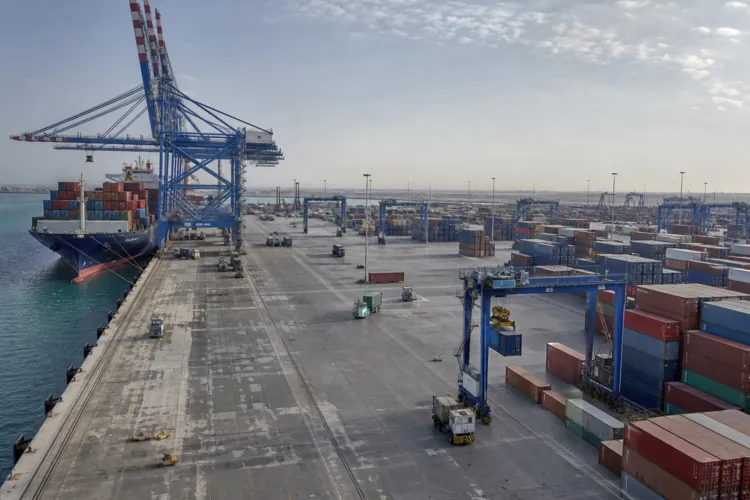
Distribution choices should mirror how buyers actually purchase lubricants now, while preparing for the channel that is growing fastest. In 2025, distributor/retailers held 62.58% of the Saudi Arabia lubricants market by channel. Yet direct-channel sales are advancing at a 15.35% CAGR to 2031, indicating that large accounts and structured procurement are becoming more reachable for brands that can sell and service directly. Design a two-speed go-to-market: secure credible nationwide coverage with established distributors first, then layer a direct engine aimed at fleets, workshops, and industrial accounts. Mordor also flags rapid digitalization of distribution and the rise of e-commerce and same-day delivery in automotive lubricants, so your entry plan should include digital ordering and fulfillment standards that match these expectations from day one.
Localization is no longer optional positioning; it is part of the competitive structure. Mordor notes consolidation moves such as Saudi Aramco’s Valvoline acquisition and a potential Castrol bid, framing a market where vertical integration is strengthening domestic value-chain depth. It also cites localization initiatives like Luberef’s LubeHUB, described as reducing import dependencies for base oils and additives. For a foreign brand, this raises the bar: be explicit about how you will ensure continuity of supply and technical support, even as the market leans toward domestic integration. Pair imported differentiation (OEM approvals, condition-monitoring services, premium synthetics) with a localization pathway that supports customers who prioritize availability and locally aligned solutions.
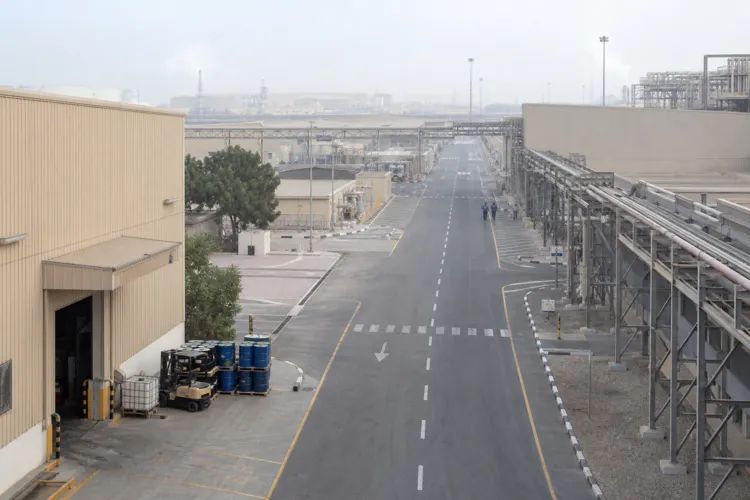
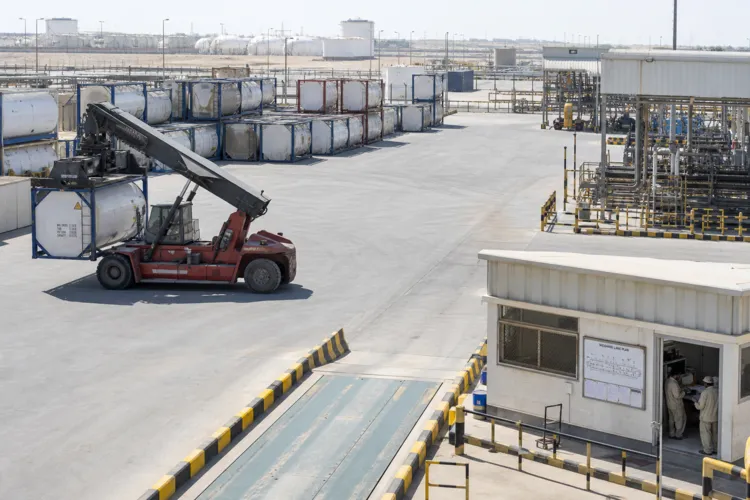
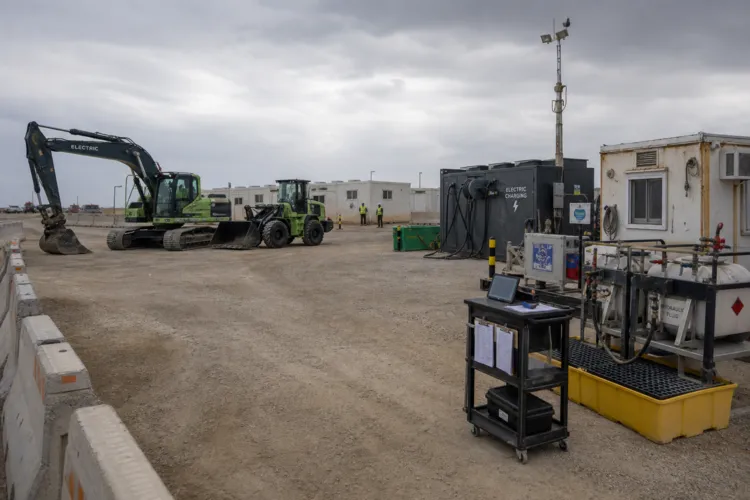
Finally, build your second-wave growth around industrial and power-generation demand signals. Mordor links “Vision 2030-driven industrial projects” to steady lubricant demand and reports that greases are projected to record the fastest 4.55% CAGR through 2031. Power-generation demand is also growing at a 4.52% CAGR over the forecast horizon. Mordor further states that over USD 130 billion has been invested in new factories since 2016 under NIDLP incentives, and it highlights Eastern Province petrochemical complexes and orders for hydraulic fluids, metalworking fluids, and specialty greases. Complement that with IMARC figures reported by Vocal Media: Saudi Arabia’s lubricants market at USD 1,352.4 million in 2025, with a projection to USD 1,717.4 million by 2034 (2.69% CAGR, 2026–2034), and a cited jump in Saudi Arabia’s Manufacturing Value Added to USD 162.7 billion in 2022 from USD 117.6 billion a year prior. Together, these sources justify an entry plan that begins in high-volume automotive engine oils, then expands into greases, hydraulics, and plant-focused specialties as account access and technical credibility deepen.
What does a foreign lubricant brand’s market entry into Saudi Arabia need to prioritize in 2026?
How large is Saudi Arabia’s lubricants market, according to the cited reports?
Which segments are growing fastest for a new entrant to target beyond engine oil?
What evidence supports industrial demand growth in Saudi Arabia’s lubricant market?