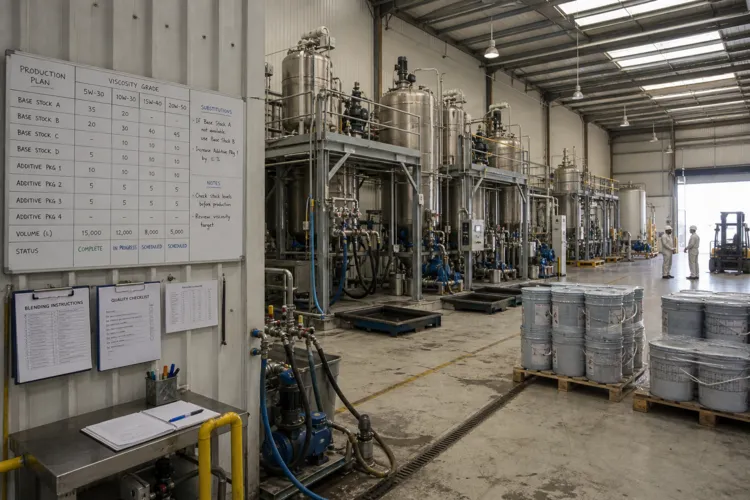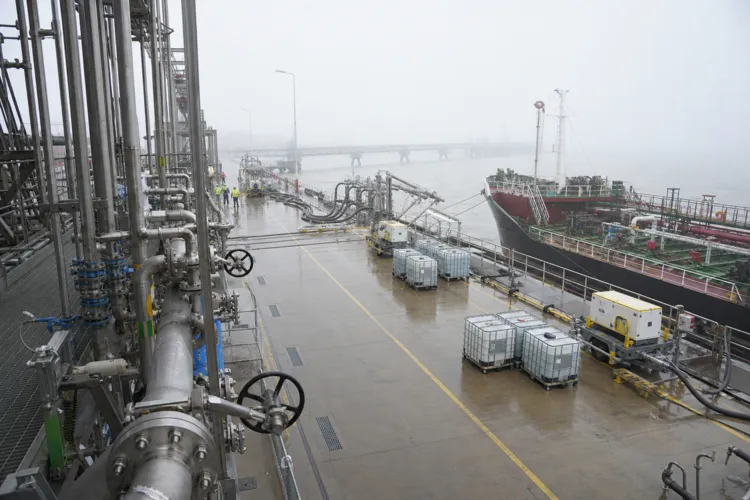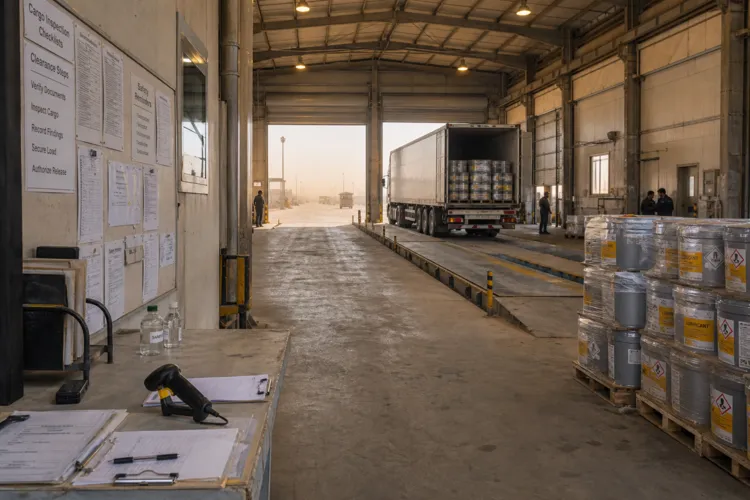
PAG lubricants are positioned as high-performance synthetics for conditions where conventional mineral oils fall short. Dataintelo describes polyalkylene glycol oils as known for superior thermal stability, excellent lubricity, and (for certain grades) water solubility, with compatibility across a wide range of operating conditions. In market terms, Dataintelo values the global polyalkylene glycol oil market at $2.8 billion in 2025 and projects $4.7 billion by 2034, at a 5.9% CAGR from 2026 to 2034. In parallel, Dataintelo puts the global PAG base oil market at $1.8 billion in 2025, projected to $3.1 billion by 2034 at a 6.2% CAGR. These global figures do not describe the Middle East specifically, but they set a backdrop for why PAG is being specified more often in industrial equipment where heat and oxidation stability matter.
For the Middle East & Africa region, Global Growth Insights estimates the region holds approximately 10% of the global polyalkylene glycols market, with growth driven by expanding industrial and automotive sectors. The same source states the lubricant industry dominates, accounting for nearly 50% of regional PAG demand, tied to industrial machinery and heavy-duty equipment requiring high-performance synthetic lubricants. This is where decision-makers comparing base stocks can see why PAG keeps showing up in specs: multiple sources frame PAG as a practical answer when equipment complexity rises and efficiency standards tighten. Market Research Future also describes a technology shift in which mineral-oil blends are losing ground to PAO and PAG chemistries engineered for tighter tolerances and longer drain intervals, reinforcing why synthetic selection is becoming more application-led than brand-led.
Where PAG Beats PAO: Gear, Compressor, and Fire-Resistant Work
In gear and compressor duty, sources repeatedly tie PAG adoption to performance under thermal stress and to OEM-driven specification. IndexBox describes the current market as defined by replacement of mineral oils in demanding, high-temperature, or environmentally sensitive applications like compressor lubricants and industrial gearboxes, and it highlights OEM specification of PAG-based lubricants for new-generation high-speed compressors and industrial gearboxes. Dataintelo’s PAG base oil report aligns with this by naming compressors and gearboxes as core applications and by emphasizing PAG’s inherently high viscosity index, superior thermal and oxidative stability, and excellent low-temperature fluidity. In practice, that combination supports precision lubrication and can help users align fluid choice with modern equipment operating conditions, especially where energy-efficiency goals and maintenance planning are key parts of the reliability discussion.
For fire-resistant duty, the case for PAG is even more explicit in the sources. IndexBox points to rising demand for fire-resistant hydraulic fluids in mining, metal processing, and aviation, and it calls out the ISO HFDU category in that context. Dataintelo’s PAG-based lubricants report adds that water-soluble PAG formulations continue to gain traction in aerospace hydraulic systems where fire safety standards mandate non-flammable fluid performance, and it notes that the Federal Aviation Administration (FAA) and European Union Aviation Safety Agency (EASA) mandate Type IV and Type V fluid specifications for modern aircraft hydraulic systems. While those mandates are not Middle East regulations, they matter to Middle East operators and MRO-linked supply chains because the same aircraft and specification regimes influence procurement. Dataintelo also notes growing investments in aerospace manufacturing and MRO activity particularly in Asia Pacific and the Middle East, which supports the relevance of fire-resistant and thermally robust fluid choices regionally.
Looking across end uses, the strongest Middle East narrative in the sources is industrial demand concentration and the push toward higher-performance synthetics. Global Growth Insights links the region’s growth to industrial and automotive expansion, while Dataintelo frames PAG adoption as accelerating as industries transition toward energy efficiency, reduced maintenance intervals, and lower environmental footprints. To anchor the broader synthetic context without over-localizing it, Market Research Future identifies over 75 prominent synthetic lubricant manufacturers across North America, Europe, Asia-Pacific, the Middle East, and Latin America, and maps products across PAO and PAG categories among others. For buyers of PAG synthetic lubricants in the Middle East, the practical takeaway is to match PAG’s strengths—thermal stability, lubricity, and specific fire-resistant hydraulic fit—to gear, compressor, and fire-resistance priorities, rather than defaulting to a single synthetic base stock across every duty.
How large is the Middle East & Africa share of the polyalkylene glycols market in the sources?
What do the sources say about lubricant demand inside Middle East & Africa PAG consumption?
Which applications are highlighted for PAG advantages in gears and compressors?
What fire-resistant hydraulic context is provided for PAG formulations?
What is the 2025–2034 global market outlook stated for PAG oils?