
Quick-lube is built on speed. Now it is being rebuilt around data. For GCC operators, quick lube workshop digitalization GCC strategies tend to look like simple convenience upgrades, such as apps, online booking, and automated reminders. But the pressure is structural. MarkWide Research notes that synthetic formulation adoption across GCC service bays is compressing mineral oil margins and concentrating procurement power with certified blenders. It also flags certification concentration risk, where ESMA and SASO approval processes filter market access. In Saudi Arabia’s Eastern Province, SASO enforcement of API SP standards can force independent workshops to upgrade dispensing equipment or exit state-linked procurement. That is a direct incentive for chains to standardize operations and customer communications.
Digital adoption patterns from broader market research provide useful context, but they should be read as global indicators, not GCC measurements. Global Growth Insights reports that nearly 52% of quick lube operators have adopted online booking systems and 46% have implemented customer relationship management (CRM) tools to improve retention rates. In a separate market report, Market Growth Reports says integrated CRM platforms are used by 52% of shops globally to track customer history and automate appointment reminders, improving retention rates by 28%. If GCC workshop chains use loyalty apps to capture vehicle history, frequency, and service preferences, these figures explain the business logic: retention gains can be engineered with reminders, consistent offers, and faster rebooking.
Why Loyalty Data Matters More When Service Intervals Stretch
Longer drain intervals can reduce how often customers show up, which makes every visit and every retained customer more valuable. MarkWide Research highlights “extended-drain technology substitution,” noting advanced synthetic formulations with 15,000+ kilometer service intervals that reduce transaction frequency at quick-lube centers dependent on volume throughput. Loyalty data becomes a hedge against that decline. It helps chains time reminders, suggest bundled checks, and keep customers from drifting to a competitor between longer intervals. Global Growth Insights also reports that over 48% of customers opt for bundled services such as tire rotation and fluid checks. That supports a loyalty-and-bundling playbook: capture data, segment customers, and make each visit carry more value.
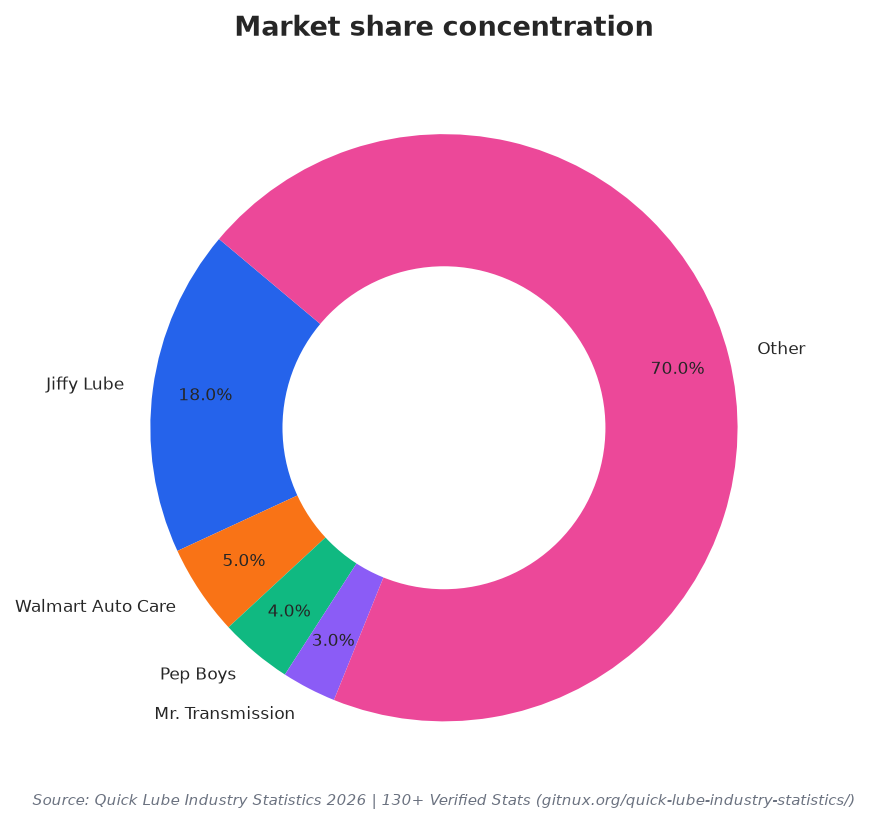
U.S. quick-lube results show how digital marketing and brand loyalty can shape outcomes, but they should be treated as comparison only. Gitnux reports U.S. quick lube revenue hit $12.4 billion in 2023, up 4.2%, and that chains took 24% of market growth from digital marketing. The same source says independents hold 42% of outlets but only 28% of revenue, while the top 10 quick lube chains control 55% of the market, up from 48% in 2020. It also reports brand loyalty is highest for Valvoline at a 44% repeat rate. For GCC chains, the lesson is not that these shares match the region, but that booking, marketing, and loyalty signals can compound into measurable scale advantages.
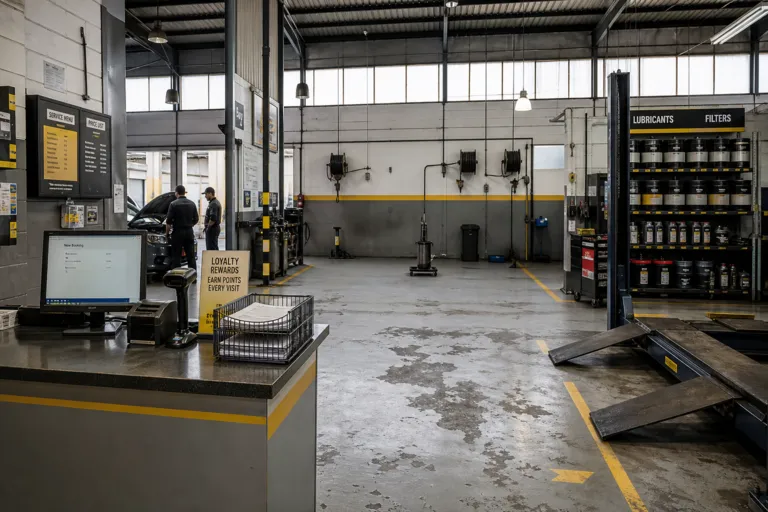
Digitalizing the bay also means instrumenting time, not just transactions. National Oil and Lube News describes AI tools like PitCrew using existing shop cameras to monitor vehicle entry, service times, and technician activity, boosting efficiency by at least 10%. The same article notes a Jiffy Lube franchisee group planned a rollout of PitCrew across 66 stores after a pilot, and that Revmo AI handles customer calls, texts, and emails, with a large franchisee operating 128 locations using it. Again, these are U.S. examples, but they map to GCC priorities: standardized KPI tracking, consistent guest experience, and always-on communication that supports loyalty programs and app-based scheduling.
What is driving quick-lube workshop digitalization across the GCC?
How common are online booking and CRM tools in quick-lube operations globally?
Do CRM reminders and customer history tracking improve retention?
How can longer synthetic service intervals change loyalty strategy?
What measurable operational gains are linked to AI tools in quick lube?