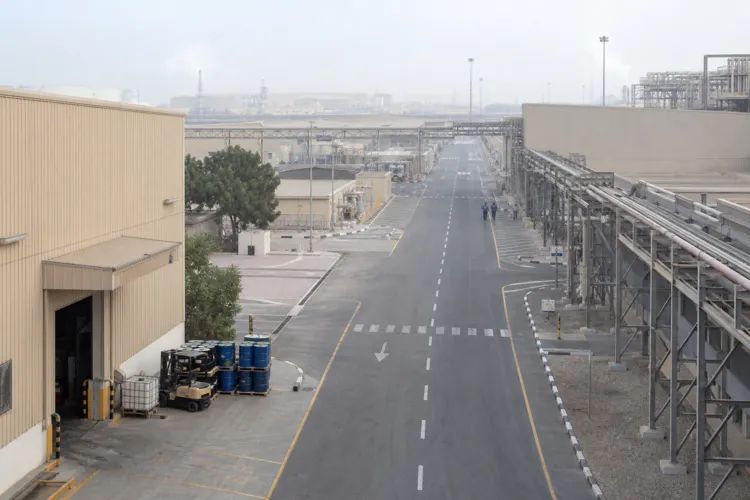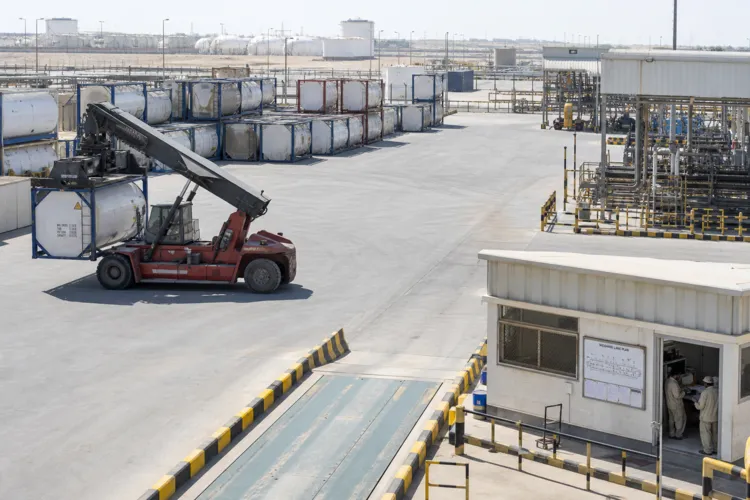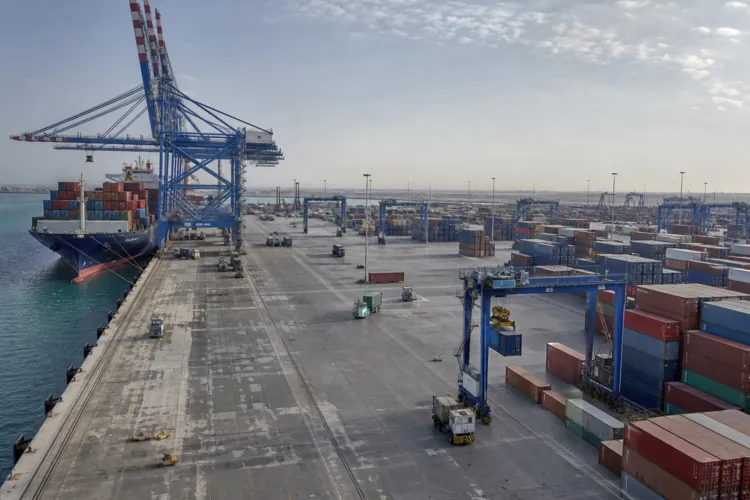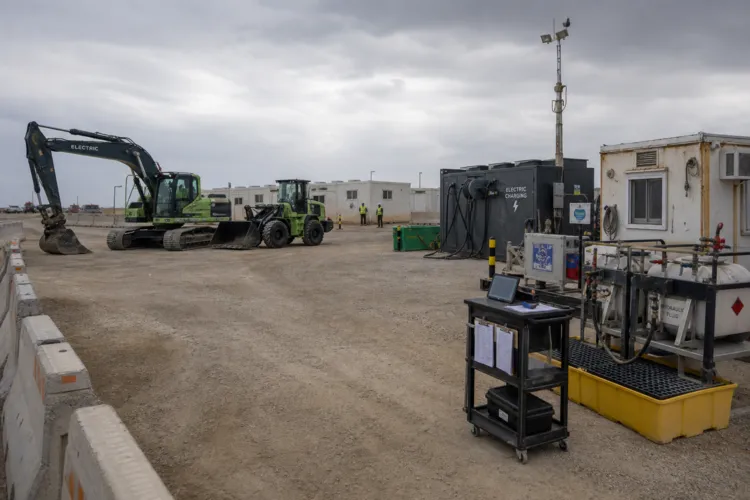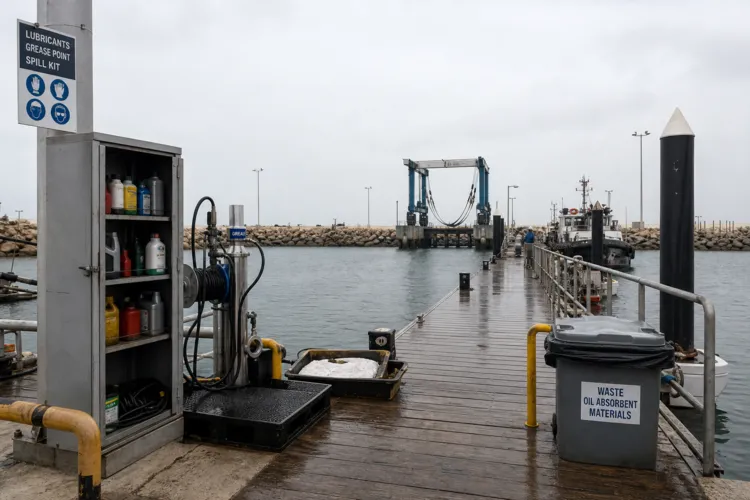

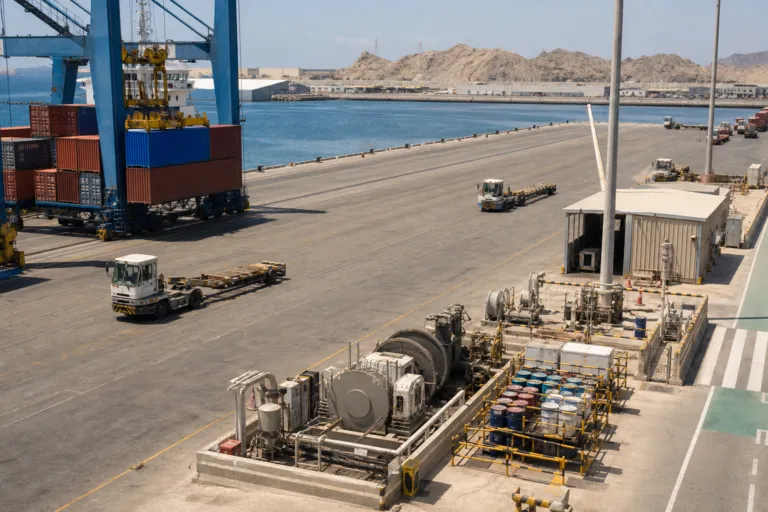
Oman’s port-led logistics build-out is reshaping where marine activity concentrates and how suppliers plan coverage. The country’s three deep-water ports—Sohar in the north, Duqm in the center of the coastline, and Salalah in the south—operate under concessions through joint ventures between the government and foreign private companies, and they connect to 86 ports in 40 countries. Those connections matter for marine lubricants because they influence vessel calls, bunker and stores planning, and the practicality of stocking multiple grades near the quay. In 2024, cargo throughput across Oman’s ports reached 137 million tonnes, up 15% over the previous year. For lubricant marketers and service providers, that lift is a clear signal that more port moves can mean more opportunities for routine replenishment and onshore support.
Duqm stands out for momentum and infrastructure depth. According to Oman’s Ministry of Transport, Communications and IT, Duqm Port grew fastest in 2024, with volumes rising 152% across all cargo types. Duqm also has a new port, a naval base, a dry dock, and an oil tank storage terminal, alongside power and desalination plants and a completed refinery. The U.S. government’s Oman transportation and logistics guide notes that in July 2021, Asyad built its first new ship at Duqm’s dry dock, which also provides ship repair and maintenance services. Ship repair and maintenance can be lubricant-intensive work, from oil changes and flushing to stern-tube and hydraulic system servicing, and it improves the commercial logic of positioning marine lubricants inventory and technical teams close to the yard.
Sohar’s Cargo Upswing and Industrial Clusters Tighten the Supply Loop
Sohar’s numbers show why the corridor concept matters for suppliers planning route density. In 2024, Sohar Port saw bulk cargo surge 72%. The same source reports container throughput growth of about 15%, with Ro-Ro traffic up 25%, even as bulk volumes dipped slightly by 2.6%. In late 2024, Sohar struck a USD 2.6 million deal to expand its container depot capacity by two hectares, aligning with fast-growing logistics demand. For marine lubricants in Oman, this mix points to two demand channels at once: more vessel types and turnarounds at the port, plus more landside logistics and equipment fleets that typically share procurement and maintenance disciplines with marine operators. MarkWide Research also links Oman industrial zone development to the Duqm Special Economic Zone and Sohar Port expansion, stating that these hubs attract steel and aluminum smelting investments and create greenfield lubricant procurement opportunities.
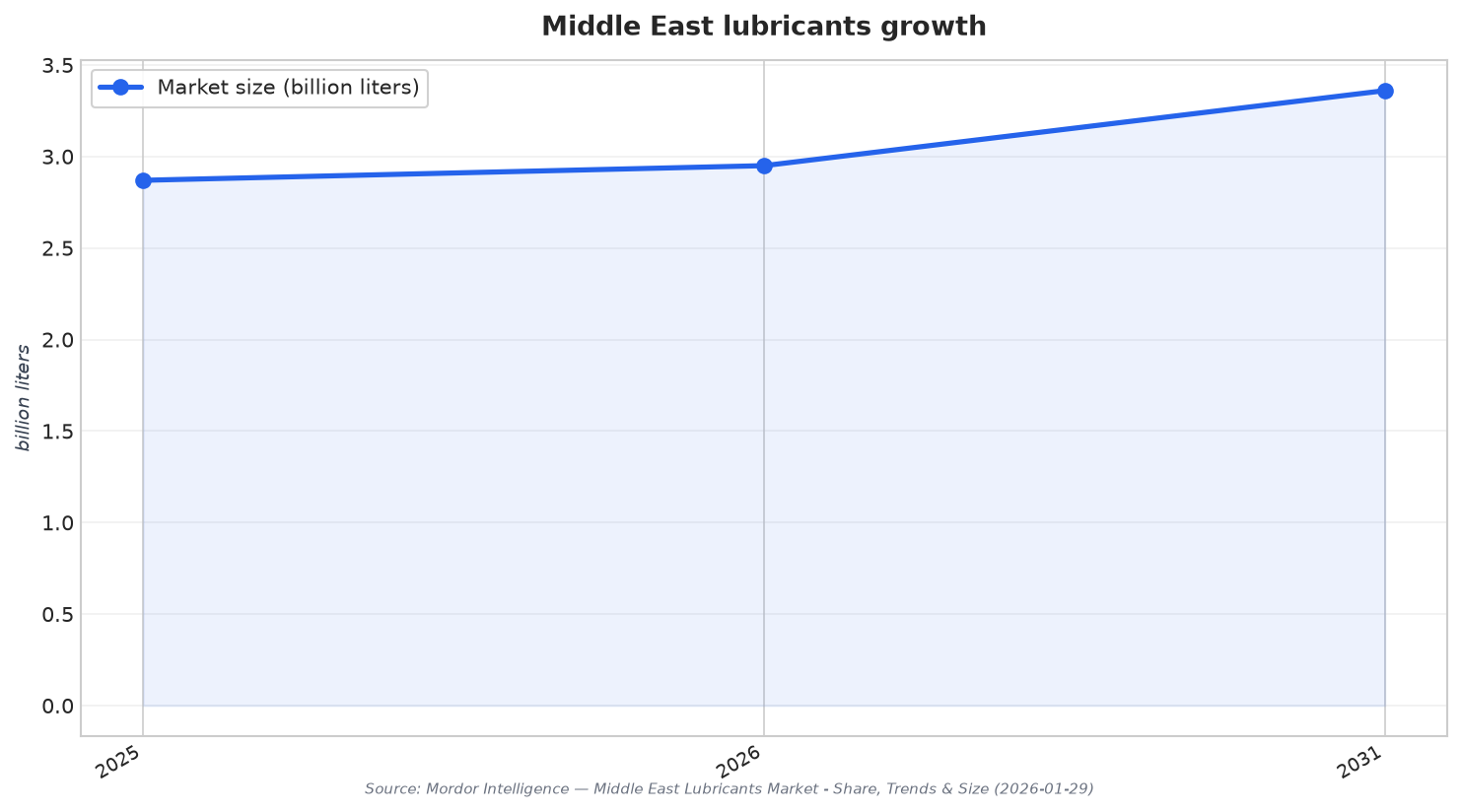
These port corridors sit inside wider lubricant and marine-lube trends that shape what ships and operators buy. In the global marine lubricants market, mineral oil commanded 71.96% of 2025 volume, while bio-based lubricants are the fastest-growing subsegment at a 2.18% CAGR through 2031. The same report notes that direct supply secured 66.22% of 2025 volume, and online platforms are the fastest-growing channel at a 2.35% CAGR through 2031. That matters in Oman because tighter corridors can support direct-to-ship supply models with fewer handoffs, while digitized procurement can shorten lead times. At the same time, MarkWide Research highlights extended drain intervals, stating that OEM service specifications now recommend oil change cycles exceeding fifteen thousand kilometers, which can reduce annual lubricant purchases for fleets despite higher per-unit prices. For suppliers targeting Duqm and Sohar, the winning play becomes service reliability, correct grade availability, and condition-focused support, not just volume chasing.
In parallel, Oman’s downstream and compliance landscape adds structure to how lubricant businesses compete. MarkWide Research describes aftermarket lubricant blending and technical services as reshaping margin capture in Oman’s downstream sector and notes that Shell PLC competes through technology licensing for hydroprocessing units at the Sohar refinery complex. The same source states that Duqm Refinery and Petrochemical Industries Company anchors the Sultanate’s capacity expansion with its greenfield complex on the Arabian Sea coast, and that the Directorate General of Environmental Affairs enforces air quality limits on stack emissions from Sohar and Duqm facilities. Put together, the Duqm–Sohar corridor story is not only about cargo growth. It is also about building a credible marine lubricants proposition around ports, repair capability, industrial clusters, and compliance-driven operating discipline—an increasingly investable foundation for Duqm–Sohar marine lubricants demand in Oman.
What port growth signals the strongest upside for marine lubricants around Duqm and Sohar?
Why does Duqm’s dry dock matter for marine lubricants supply planning?
How are industrial zones around Duqm and Sohar linked to lubricants demand?
What global marine lubricants mix and channels are shaping supplier strategies in Oman?
What should buyers and suppliers consider in the Duqm–Sohar marine lubricants Oman market?