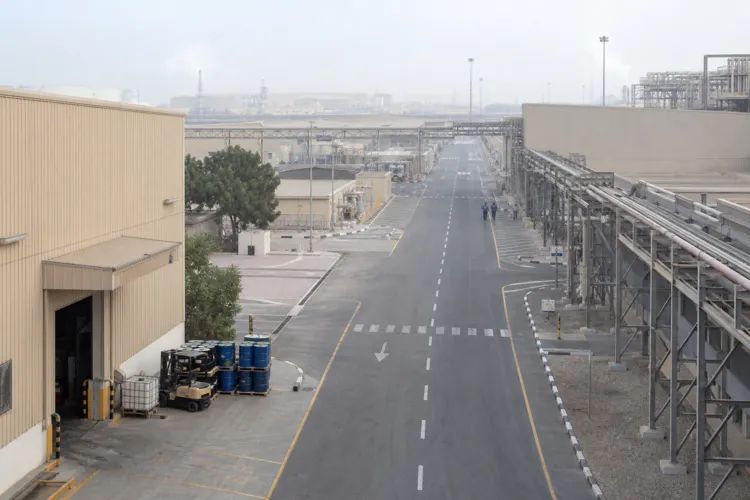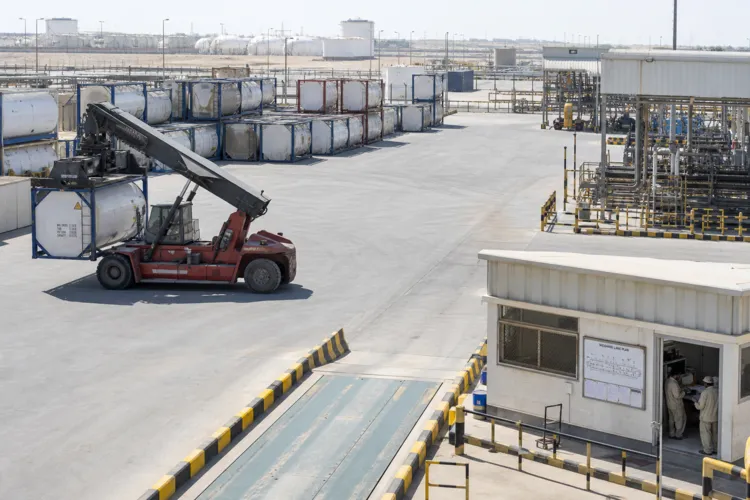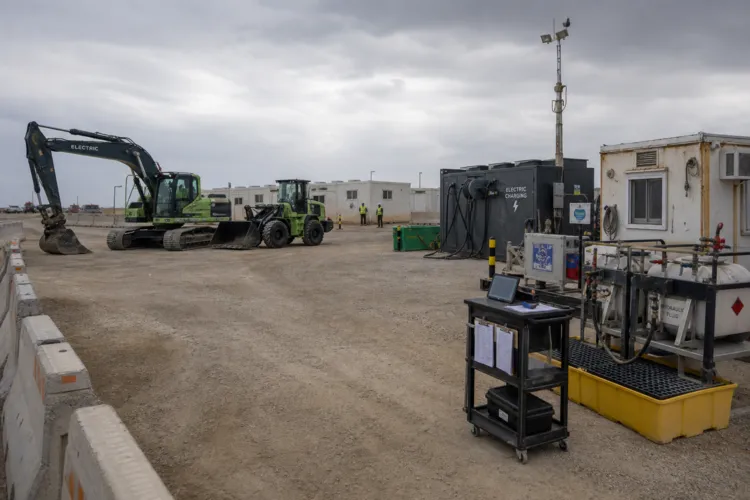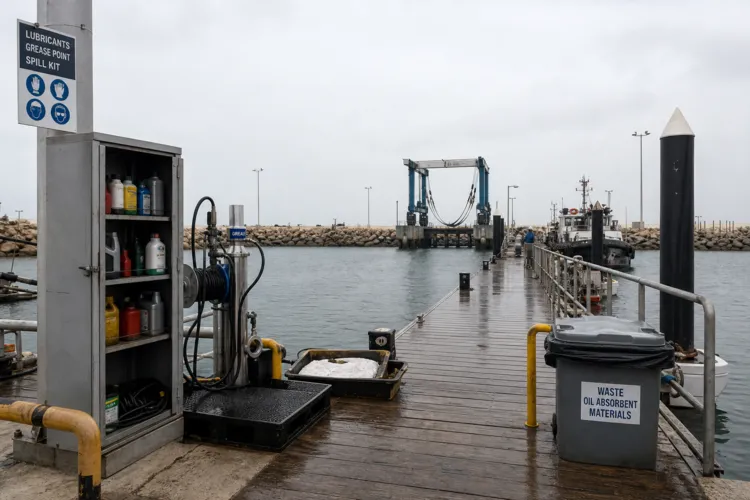

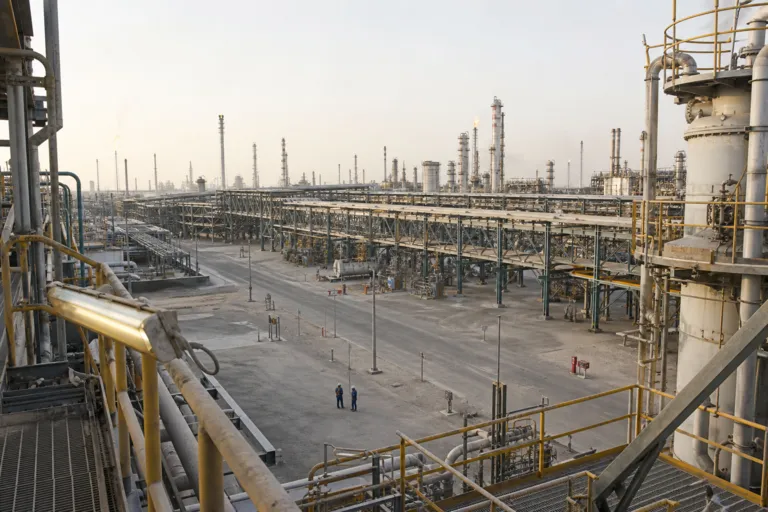
Kuwait is pushing deeper integration across the petroleum value chain, led by Kuwait Petroleum Corporation (KPC) and its “K-companies,” including Kuwait Integrated Petroleum Industries Company (KIPIC) and Petrochemical Industries Company (PIC). Multiple sources describe an explicit pivot toward downstream development and value capture, including policy efforts to promote new refineries and petrochemical plants and a broader goal under Kuwait Vision 2035 to position the country as a global hub for the petrochemical industry. In practice, this integration drive matters for how markets read Kuwait petrochemical process oils demand, because process and specialty oils sit downstream of refinery configuration choices, petrochemical output slates, and the economics of converting crude into higher-value chemical streams.
Downstream scale and utilization are central to the new demand curve. Mordor Intelligence notes that downstream profitability is rising as the 615,000-barrel-per-day Al-Zour refinery approaches nameplate throughput and captures IMO-compliant bunker-fuel premiums. In the same report, upstream still held 58.14% of Kuwait’s oil and gas market share in 2025, but downstream is forecast to advance at a 6.18% CAGR through 2031. That combination—large refining assets moving closer to full throughput while downstream grows faster than the overall mix—creates a clearer operating base for process oils, which are closely linked to refinery output and the steady production of intermediate streams used across petrochemical and industrial applications.
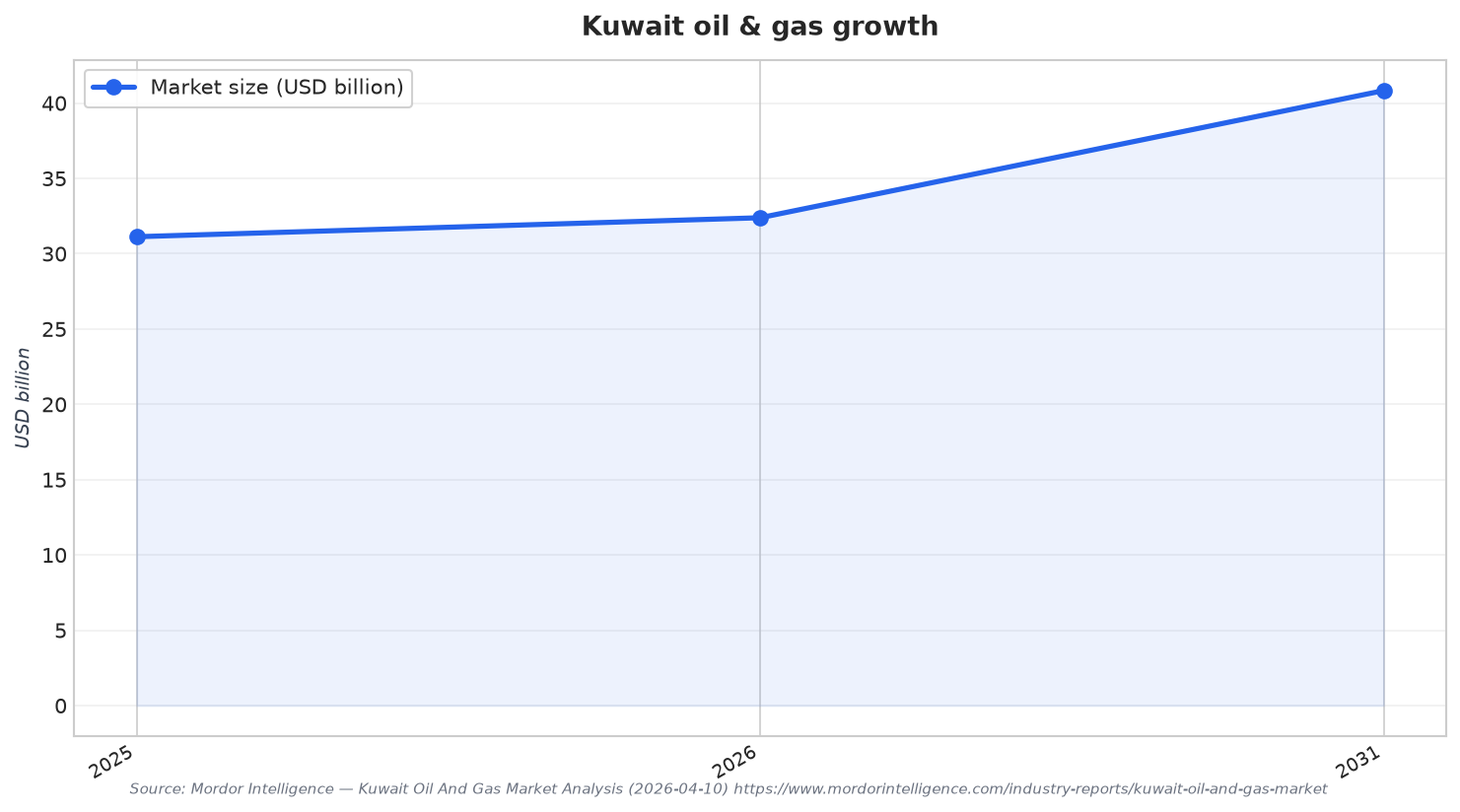
Integration Economics Are Redrawing the Process Oils Demand Curve
Global integration trends provide the context for Kuwait’s strategy, but they should not be mistaken as Kuwait-specific metrics. DataIntelo values the global refinery petrochemical integration market at $312.4 billion in 2025 and projects it to reach $548.7 billion by 2034, a 6.4% CAGR from 2026 to 2034. The same source argues that petrochemicals are increasingly displacing fuels as the primary driver of crude oil consumption and cites an International Energy Agency view that petrochemicals will account for more than half of the growth in global oil demand through 2040. It also describes crude oil-to-chemicals complexes that can convert up to 40–50% of crude inputs to petrochemical feedstocks, compared with roughly 10–15% in conventional refinery configurations. For Kuwait, this global logic reinforces why integrated projects can pull more barrels into chemical value chains, where process and specialty oils demand tends to be more structurally tied to manufacturing than to transportation-fuel cycles.
Kuwait’s capital allocation and operational modernization also shape the curve. Mordor Intelligence describes state-led investment of USD 9 billion to USD 10 billion per year pushing offshore acreage into development and slowing decline rates in mature onshore fields, while also noting digital-oilfield roll-outs across 1,200 wells. This matters because stable upstream supply and improved field efficiency can support consistent feedstock availability for downstream operations, especially as OPEC+ quota discipline caps headline crude volumes. Separately, the Baker Institute reports that about 70% of Kuwait’s natural gas production is associated with oil output and highlights that natural gas consumption increased by 52% between 2014 and 2022 as the natural gas-fired Az Zour power plant came onstream—an important backdrop because power, desalination, petrochemicals, and the oil sector all rely heavily on gas, tightening the interdependence between upstream operations and downstream scaling.
Finally, the demand narrative is not only local. Maximize Market Research values the global petrochemicals market at USD 722.20 billion in 2025 and forecasts growth at a 6.5% CAGR through 2034 to nearly USD 1272.93 billion by 2034. Kuwait is also not operating in isolation on market access: the Baker Institute notes that KPC co-owns refineries in Europe, Vietnam, and Oman, supporting secure markets for crude oil and stabilizing long-term planning amid global demand shifts. Put together, Kuwait’s integrated posture—domestic refining momentum, international refining exposure, and a stated push for deeper downstream buildout—suggests a process and specialty oils demand curve that becomes less about short-term fuel swings and more about sustained petrochemical-linked throughput and integration economics.
What is changing the demand curve for process and specialty oils in Kuwait’s petrochemical push?
Which Kuwait asset signals rising downstream utilization tied to process oils demand?
How fast is Kuwait’s downstream sector expected to grow versus upstream share?
What do global integration benchmarks imply for Kuwait’s refining-to-chemicals direction?
Why does gas availability matter for Kuwait’s petrochemical and process oils outlook?