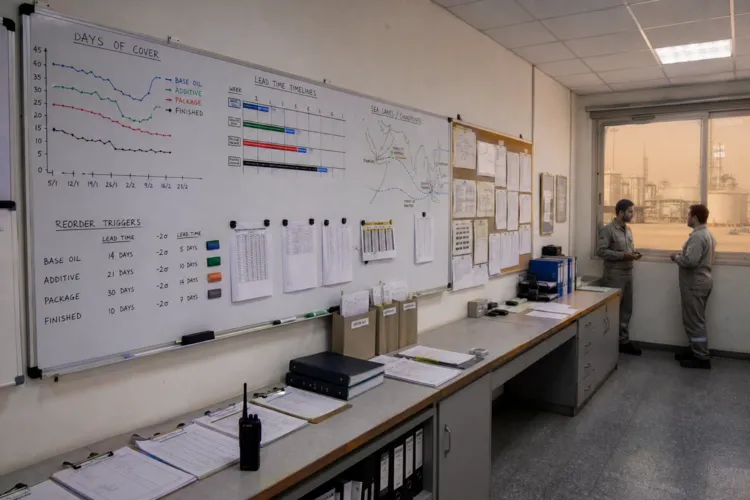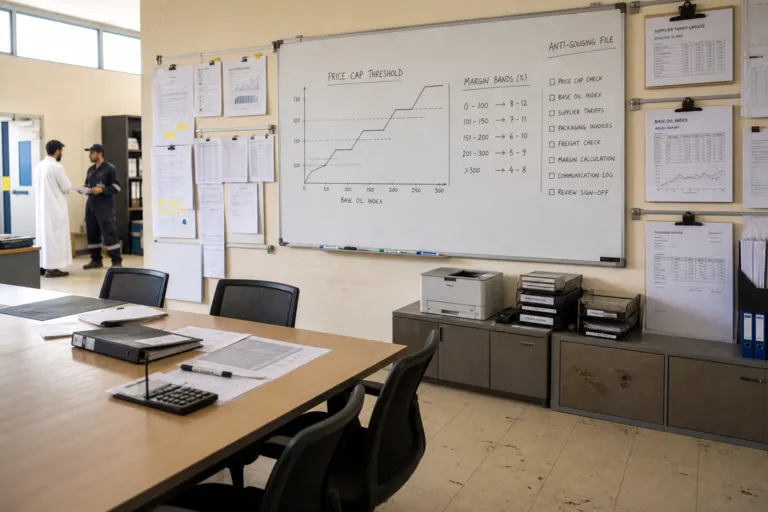
Lubricant pricing in GCC markets can change fast, especially when imported inputs and logistics costs move together. A Middle East market note cites base oil price fluctuations of up to 45% in 2022 and says lubricant production costs surged by 28% in 2021. That creates pressure to raise prices. But when regulators or consumers view increases as “excessive,” sellers can face consumer-protection complaints and investigations. The legal risk is not only the number on the invoice. It is whether a seller can explain the increase with credible cost evidence, consistent internal governance, and clean documentation across the supply chain.
A useful warning comes from debates around price-gouging laws in the United States. A Cato Institute analysis argues that price constraints discourage conservation of goods when demand spikes and also discourage extraordinary efforts to bring goods into affected areas. Even if a GCC seller does not operate under an identical legal framework, the logic matters for compliance strategy. If a government sets price caps or applies an anti-gouging approach during abnormal conditions, lubricant sellers may have limited flexibility to pass through sudden cost increases. This is why pricing policies should be built before a shock, not during it.
Where Price Shocks Come From in GCC Lubricant Supply Chains
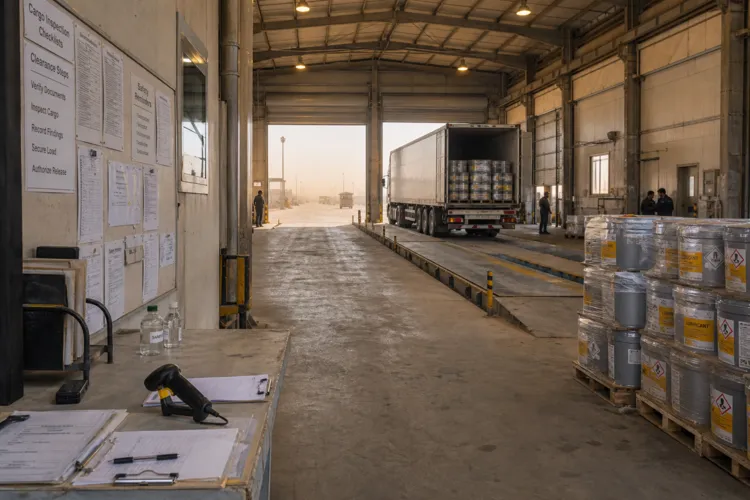
In the GCC, cost shocks often start at the border. A 2026 GCC customs guide warns that unexpected import duties and customs fees can inflate landed costs by 20–30% when they are not estimated before shipment. It also stresses HS-code accuracy, noting that even a single-digit mistake can trigger audits, penalties up to four times the duty owed in the United States, or shipment delays. Saudi Arabia is highlighted as a reference point because it applies the GCC common external tariff of at least 5% on most goods imported from outside the GCC. If a lubricant seller raises prices, these documented landed-cost drivers can be central to showing the increase was cost-based rather than exploitative.
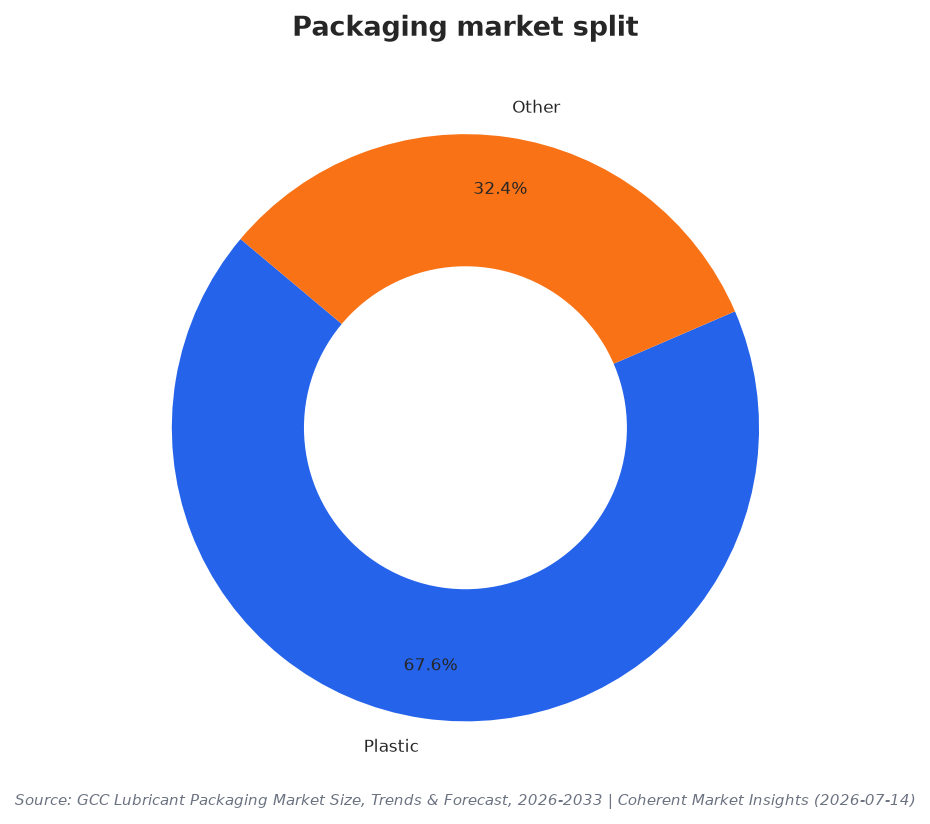
Packaging and compliance requirements can tighten margins too. The GCC lubricant packaging market is anticipated to grow at a CAGR of 3.5%, with USD 220 Mn in 2026 and expected to reach USD 280 Mn in 2033, and plastic is cited as 67.6% of market share in 2026. On the service side, GCC technical regulations and UAE-specific ESMA specifications are described as mandating performance certifications that filter market access for uncertified providers, while SASO enforcement of API SP and ILSAC GF-6 standards is said to be accelerating equipment upgrades at independent workshops. These pressures can raise operating costs, which may justify price changes if recorded carefully and communicated consistently.
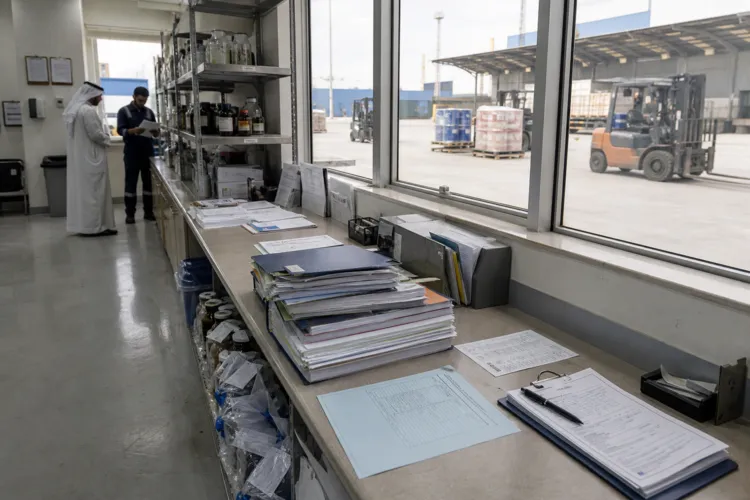
For lubricant sellers worried about lubricant price control, consumer protection expectations, and GCC compliance scrutiny, the safest posture is “prove the math.” Build a repeatable landed-cost model that includes product cost, transport, CIF, duty, fees, and then any VAT/GST after duties and fees, as the customs guide recommends. Keep evidence of base oil and production-cost movements cited in your market notes, and tie each SKU adjustment to a dated cost change. Also watch for signals from other jurisdictions: in the United States, a Congress.gov review describes approaches such as caps on percentage increases during emergencies and consumer-fraud theories that treat “excessive prices” for disaster-needed merchandise as unfair practice. Those models show how quickly pricing can become a legal issue when the public expects restraint.
What creates anti-gouging risk when lubricant sellers raise prices in GCC markets?
Which supply-chain costs should be documented before changing lubricant prices?
How can customs and tariffs affect lubricant price changes in Saudi Arabia and the GCC?
How does GCC packaging market growth relate to pricing pressure?
What does the lubricant price control and consumer protection debate in the GCC have to do with foreign examples?