
The GCC automotive aftermarket is already large and growing. It was valued at USD 11.7 billion in 2024 and is estimated to reach USD 17.3 billion in 2032, with a forecast CAGR of 5.0% for 2025–2032. One core driver is the increase in vehicles in operation (VIO). The region’s passenger vehicle and light commercial VIO is described as around 18 million vehicles, with Saudi Arabia comprising around 50% of total vehicle population across the GCC, followed by the UAE. More vehicles on the road means more routine service events, and that creates a direct foundation for stronger aftermarket fluids consumption through time.
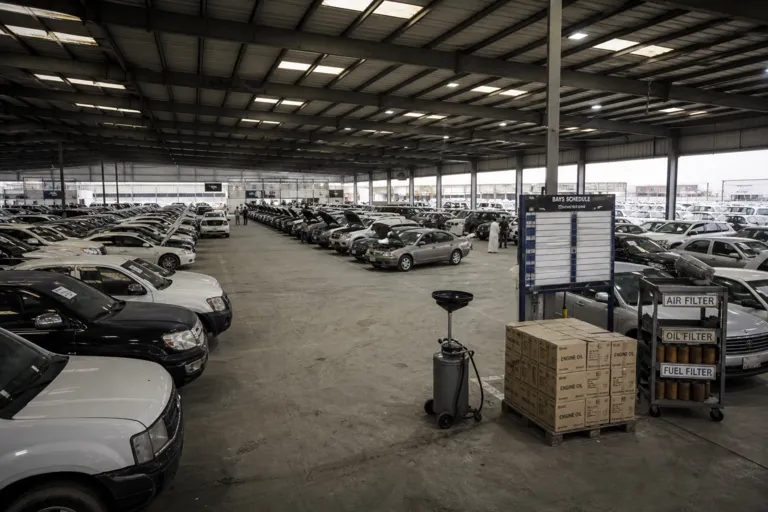
Within that base, used cars are an additional accelerator. One GCC aftermarket source estimates that for every one new car sold, there are five used cars sold across the region. It also notes that used car sales growth keeps vehicles on the road longer, and that used cars require more maintenance because they are older, supporting demand for aftermarket parts. For lubricant suppliers and service outlets, the implication is simple: more older vehicles typically translate into more frequent fluid changes and higher attention to engine protection, even if the exact oil-drain intervals differ by model and owner behavior.
Why Used Cars Translate Into More Fluid-Service Volume
The used-car market itself is being sized as a major category in GCC mobility. One report values the GCC used car market at USD 24.5 billion in 2025 and estimates it could reach USD 49.2 billion by 2034, exhibiting a CAGR of 8.05% from 2026–2034. Separately, another GCC used-car forecast points to growth at a CAGR of 4.05% by 2035. Even with different forecast paths, both sources frame a market that remains active, supported by a diverse population of locals and expatriates and evolving consumer expectations. As this inventory circulates, workshops tend to see a higher share of out-of-warranty vehicles, where the choice of lubricant brand and service channel often shifts toward the aftermarket.
Signals from the wider aftermarket also suggest lubricants will remain central to the basket of service needs. A GCC automotive aftermarket report to 2035 states the market is projected to reach USD 24.0 billion, at a 3.476% CAGR, and it explicitly notes that “Tires” and “Lubricants” contribute significantly. Another global lubricants analysis describes engine oil as the largest product type by volume in the automotive lubricants aftermarket, driven by regular replacement intervals. Put together, the used-car boom strengthens the logic behind used car market lubricants demand GCC stakeholders are watching: an aging parc and high VIO can lift workshop throughput, and lubricants are a recurring purchase tied to those visits.
Macro conditions also matter because they influence miles driven, service affordability, and the retail and workshop footprint. One GCC aftermarket source cites World Bank projections that GCC GDP growth is projected to surge to 4.2% in 2025–2026 compared with 1.6% in 2024, with non-oil activity contributing to momentum. Meanwhile, a global lubricants view highlights that as the Middle East & Africa region develops infrastructure and the automotive industry, demand for automotive lubricants will increase, and it also notes that the global aftermarket segment will increase at a steady rate in future years. For lubricant marketers, the practical takeaway is to align packs, specs, and channels around a used-car heavy service mix—because the GCC is simultaneously growing its aftermarket base and expanding the role of used vehicles in mobility.
What is driving higher lubricant demand as the GCC used-car market grows?
How large is the GCC automotive aftermarket, and why does it matter for lubricants?
What do sources say about the scale of vehicles on the road in the GCC?
How strong is used-car market growth in the GCC based on the cited forecasts?
How does the used-car market in the GCC relate to used car market lubricants demand GCC buyers care about?